 Ferndale
 Exteriors Built for the Lummi Nation Climate
Homes in and around Lummi Nation sit close to the water — Bellingham Bay, Lummi Bay, and the channels around Hale Passage all shape the weather that hits these houses every day. That proximity to saltwater is a mixed blessing. It's part of what makes this stretch of Whatcom County beautiful, but it's also what puts extra wear on siding, roofing, trim, and anything else exposed to the elements year-round. Salt-laden air, driving rain off the water, and a long, damp moss season are simply part of owning a home here, and an exterior that isn't built with that in mind will show its age faster than it should.
We're based in Ferndale and work throughout this part of Whatcom County, including the Lummi Nation area. We handle siding, roofing, windows, and decks — the full exterior envelope — and we approach all of it with the same local knowledge: what actually holds up out here, and what just looks good in a showroom.
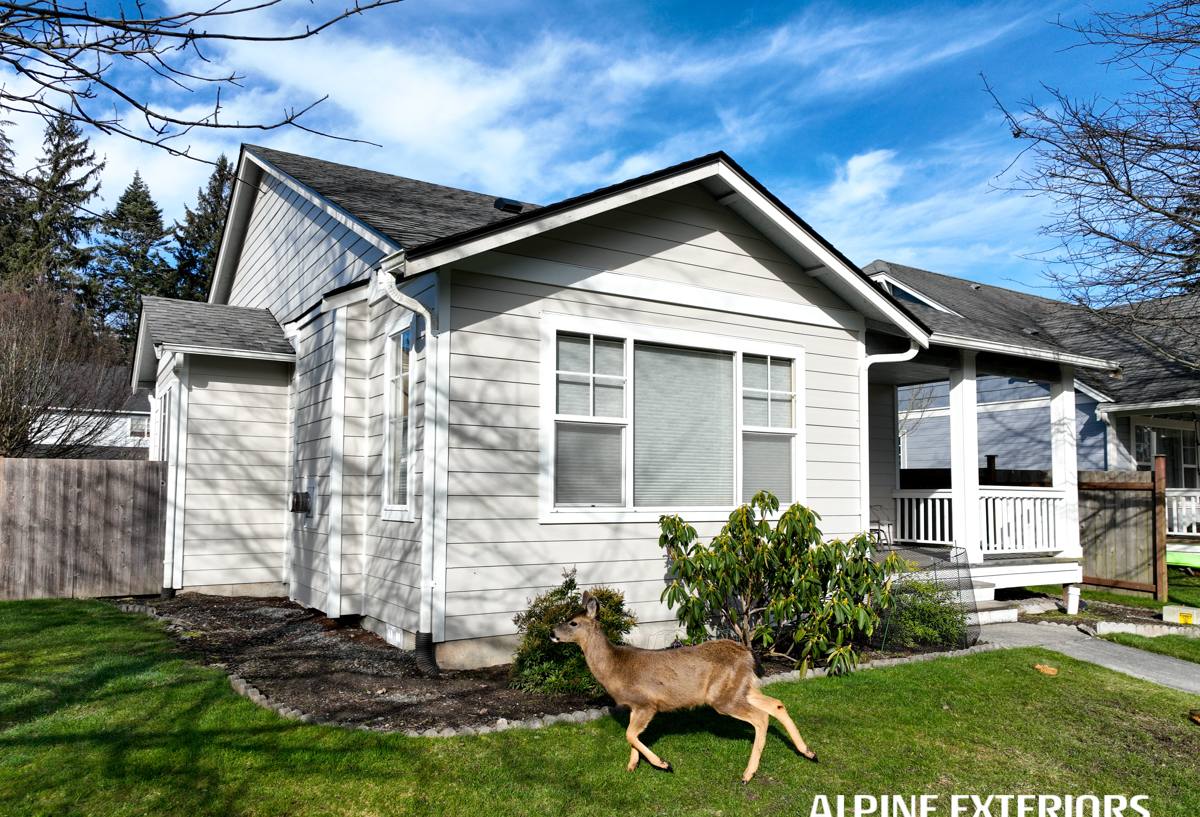
What Salt Air and Coastal Weather Do to a Home
Salt Exposure
Airborne salt doesn't just affect homes right on the shoreline. Wind carries fine salt particles well inland, and over time that salt settles on siding, trim, metal fasteners, and roofing components. It accelerates corrosion in anything metal that isn't properly rated for coastal exposure, and it can degrade paint finishes and caulking faster than in drier, inland parts of the county. Materials and hardware that aren't specified for coastal use tend to fail earlier here than the manufacturer's general warranty language would suggest.
Driving Rain
Storms coming off the Strait of Georgia and the Salish Sea often arrive with wind-driven rain rather than straight-down rain. That matters more than people expect. Wind-driven rain gets forced sideways and upward under laps, around trim, and into any gap in the water-resistive barrier. A siding system that's only designed to shed water straight down — and installation that treats flashing and lap spacing as an afterthought — will eventually let moisture behind the cladding. Once that happens, the damage is usually happening inside the wall, out of sight, well before it shows up as a stain or soft spot on the surface.
Moss and Prolonged Dampness
Whatcom County's mild, wet climate means moss and algae have a long growing season — often nearly year-round on north-facing walls, shaded siding, and roof surfaces that don't get much direct sun. Moss holds moisture against a surface far longer than open air would, which is bad news for any siding material that's sensitive to sustained dampness. It's also a maintenance headache: left alone, moss and algae growth can stain siding and shorten the life of a roof.
Why We Standardized on James Hardie Fiber Cement
We only install James Hardie fiber cement siding. We don't install vinyl, LP SmartSide, Cemplank, Allura, primed spruce, or cedar — not because those products don't have a place in the market somewhere, but because after years of doing exterior work in this specific climate, we decided we wanted to put our name behind one product system we trust completely for coastal Whatcom County conditions.
Fiber cement is non-combustible, which matters more every year as wildfire smoke and regional fire risk become a bigger part of Pacific Northwest summers. It doesn't rely on paint film integrity the way vinyl does to keep water out, and it doesn't have the moisture-sensitivity concerns that come with wood-based or engineered wood products in a climate this damp. James Hardie's ColorPlus finish is baked on at the factory under controlled conditions, which gives it better fade and chip resistance than field-applied paint, and it's backed by a real, transferable warranty — something that matters a lot if you ever sell the home.
Hardie also builds climate-specific product lines through its HZ5 engineering, formulated for wetter, harsher climates like ours rather than a one-size-fits-all national product. That's a meaningful difference from generic fiber cement competitors, and it's a big part of why we don't treat "fiber cement" as an interchangeable commodity — the engineering behind the specific product matters.
What We Chose Not to Install, and Why
| Material | What it gets right | Why we don't install it |
|---|---|---|
| Vinyl siding | Low upfront cost, low maintenance in mild climates | Can warp or become brittle with UV and temperature swings; seams and J-channels give wind-driven rain more entry points; doesn't offer the same fire performance |
| LP SmartSide | Engineered wood strength, easier to work with than solid wood | Wood-fiber core is more moisture-sensitive over the long term in a climate this wet, especially at cut edges and joints |
| Cemplank / Allura | Also fiber cement, generally similar concept to Hardie | We standardized on one manufacturer's engineering, finish process, and warranty structure so we can guarantee consistent results and stand fully behind the install |
| Primed spruce / cedar | Natural wood look, traditional Pacific Northwest aesthetic | Requires ongoing painting and sealing to keep moisture out; in salt air and moss-prone shade, maintenance intervals shrink fast |
Roofing, Windows, and Decks in the Same Climate
Siding doesn't work in isolation — a home's exterior is a system, and we treat it that way. A few things we pay close attention to on Lummi Nation-area homes:
Roofing
Roofs here deal with the same driving rain and moss pressure as siding, plus direct sun exposure and wind uplift risk during winter storms. Proper underlayment, flashing at valleys and penetrations, and ventilation that keeps the attic from trapping moisture all matter as much as the shingle or roofing material itself.
Windows
Window flashing and the integration between the window and the surrounding siding is one of the most common failure points on coastal homes. A good window is only as good as the flashing detail around it — poorly integrated flashing is a direct path for wind-driven rain to get behind the wall assembly.
Decks
Outdoor living spaces near the water take a beating from moisture cycling, UV, and salt. Proper ledger flashing, joist protection, and fastener selection (corrosion-resistant hardware, not standard-grade) make a real difference in how long a deck stays solid and safe.
How a Siding Project Works With Us
- Assessment: We walk the exterior, check for existing moisture damage, look at how the home is currently detailed around windows, doors, and rooflines, and talk through what's actually going on with your siding.
- Plan and product selection: We go over which James Hardie product line and profile fits the home — lap siding, panel systems, or a mix with trim — and which ColorPlus color options work with the site.
- Prep and moisture barrier: Old siding comes off, sheathing gets inspected for hidden damage, and a proper water-resistive barrier goes on before anything else. This step is where a lot of long-term problems get prevented or missed.
- Flashing details: Windows, doors, and any penetrations get flashed correctly — this is the step that determines whether wind-driven rain stays out or eventually gets in.
- Installation to manufacturer spec: Correct fastener spacing, lap dimensions, and clearances aren't optional details — they're what keeps the manufacturer's warranty valid and what actually keeps water out over the long haul.
- Final walkthrough: We go over the finished work with you before calling the job done.
Why a Local Crew Matters Out Here
A crew that mostly works inland or in a different climate zone doesn't always think about salt exposure, wind-driven rain angles, or moss-prone shaded walls the same way a crew based in Ferndale does. We're out in this weather constantly — we see which details hold up over years in this specific part of Whatcom County and which ones don't. That shows up in small decisions: how tight we keep flashing laps, which fastener grade we spec near the water, how we handle transitions where siding meets roofing or deck ledgers. None of that is exotic knowledge, but it only comes from doing the work here, repeatedly, and paying attention to what comes back as a warranty call versus what doesn't.
Questions Worth Asking Any Exterior Contractor
- What siding, roofing, or decking material are they proposing, and why that one for this specific site?
- Are they factory-certified installers for the product they're recommending?
- What does their flashing detail look like around windows and doors — can they explain it, not just gesture at it?
- What's the manufacturer's warranty, and is it transferable if you sell the home?
- Do they carry proper licensing and insurance for work in Washington State?
- Will they put the scope of work, materials, and timeline in writing before starting?
Maintenance in a Salt-Air, High-Moss Environment
Even the right materials benefit from basic upkeep. A periodic rinse to knock salt residue and grime off siding, keeping gutters clear so water isn't sheeting down walls, trimming back vegetation that shades and dampens siding, and having moss treated on roofs and shaded walls before it spreads all go a long way. James Hardie siding is far more forgiving of this environment than wood-based alternatives, but it's still worth keeping an eye on caulking at trim joints and window perimeters over time, since sealant is usually the first thing to wear out — long before the siding itself does.
Let's Talk About Your Home
If you're in the Lummi Nation area and dealing with siding that's showing its age, a roof due for attention, windows that leak in a storm, or a deck that needs rebuilding, we're glad to come take a look. We'll give you an honest read on what's actually going on and what it would take to fix it right — no pressure, no upsell to a product we wouldn't put on our own homes. Request a free estimate using the form below.