 Ferndale
 Birch Bay Is a Different Climate Than "Just Whatcom County"
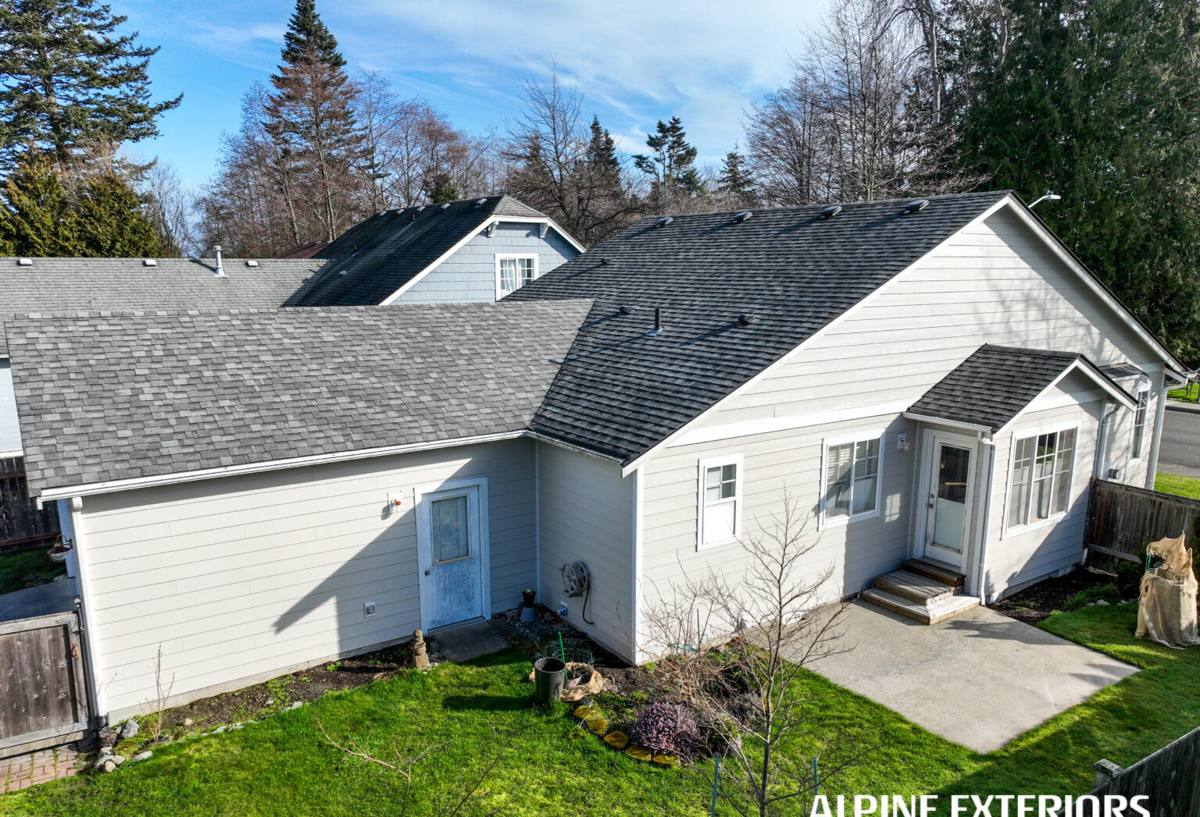
Birch Bay sits right on the water, and that changes what an exterior has to survive. A few miles inland in Ferndale or Lynden, homes deal with the standard Pacific Northwest mix of rain and gray winters. Out at Birch Bay, you add onshore wind, salt-laden air coming straight off the Strait of Georgia, and long stretches of shade and dampness that keep siding, trim, and roofing wet longer than almost anywhere else in the county. None of that is exotic or unusual for a beach community — it's just a heavier version of the same weather everyone in Whatcom County deals with, concentrated by proximity to the water.
We work on homes throughout Ferndale and the surrounding communities, and Birch Bay is one of the areas where we're most careful about material choice and installation detail, because the margin for error is smaller. A siding system that holds up fine on a sheltered lot in town can fail years earlier on a waterfront or near-waterfront property if it wasn't built for the exposure.
What Salt Air Actually Does to a House
Salt air isn't just a smell. Airborne salt is corrosive and hygroscopic — it pulls moisture out of the air and holds it against whatever surface it lands on. Over years, that has a few predictable effects on a home's exterior:
- Metal fasteners, flashing, and hardware corrode faster than they would inland, especially anything not rated for coastal exposure.
- Paint and factory finishes degrade faster under salt exposure combined with UV and wind, leading to earlier chalking, fading, and cracking.
- Wood-based siding products absorb the salt-moisture combination more readily, which accelerates rot at seams, edges, and fastener points.
- Caulking and sealants at joints and trim break down sooner, opening small gaps that let moisture behind the cladding.
None of this means a Birch Bay home is doomed to constant repairs — it means the materials and installation details need to be chosen with that exposure in mind from the start, rather than treated like an inland job.
Why Fastener and Flashing Choices Matter More Here
A siding job is only as good as the metal and fasteners holding it together. On a coastal property, we pay close attention to corrosion-resistant fasteners and properly detailed flashing at windows, doors, and roof lines — the places where water intrusion actually starts. This is standard best practice everywhere, but at Birch Bay it's not optional; cutting corners here shows up as staining, rust streaks, and eventual rot years sooner than it would a few miles inland.
Wind-Driven Rain: The Other Half of the Problem
Birch Bay gets exposed to wind off the water in a way that pushes rain sideways into walls, not just down onto roofs. Wind-driven rain finds every gap in a siding system — loose caulking, poorly lapped panels, unsealed penetrations for hose bibs and vents, and butt joints that weren't properly flashed. Once water gets behind the cladding, it doesn't dry out quickly in our climate, and that's when sheathing rot and hidden mold problems start.
This is really an installation-quality issue as much as a material issue. A high-quality siding product installed with sloppy flashing and joint work will still leak. That's why we treat water management — house wrap, flashing, joint sealing, proper clearances at grade and roof lines — as the foundation of every job, not an afterthought behind the finish material.
Moss, Algae, and the Shade Problem
Whatcom County's long, damp winters already favor moss and algae growth on roofs and north-facing walls. At Birch Bay, that tendency is often made worse by tree cover and the persistent dampness that comes with being near the water — surfaces simply don't dry out between rain events the way they would in a sunnier, more open location. Moss holds moisture against roofing and siding, and over time that trapped moisture degrades shingles, wood trim, and paint finishes.
Good exterior design helps: proper roof ventilation, gutter systems that actually move water away from the structure, and siding materials that don't feed moss and algae the way untreated wood surfaces can. It's not a one-time fix — it's a combination of the right materials and a maintenance rhythm that keeps ahead of the growth instead of scraping it off after it's established.
Why We Only Install James Hardie Fiber Cement Siding
We made a decision a while back to stop installing several common siding products — vinyl, LP SmartSide, and primed wood species like cedar or spruce — and install James Hardie fiber cement exclusively. That's not a marketing position; it's a reflection of what we've seen hold up in this climate versus what tends to need early intervention, especially on exposed coastal properties like the ones around Birch Bay.
| Material | Common trade-off in coastal exposure |
|---|---|
| Vinyl siding | Can warp or become brittle with temperature swings and UV exposure; seams and panels can loosen under sustained wind, allowing water intrusion |
| LP SmartSide (engineered wood) | Performs well when properly maintained, but wood-strand cores are more sensitive to sustained moisture exposure at cut edges and joints than fiber cement |
| Primed cedar or spruce | Natural wood requires the most consistent maintenance — recoating, caulking, and moisture monitoring — to avoid rot in a damp, salt-air environment |
| James Hardie fiber cement | Non-combustible, dimensionally stable, engineered moisture resistance, factory-applied ColorPlus finish reduces field-paint maintenance |
Each of those products has legitimate uses and loyal fans, and we're not claiming any of them are defective. What we found is that fiber cement's stability — it doesn't swell, warp, or absorb water the way wood-based products can — combined with a factory finish that's more consistent than field-applied paint, gives homeowners in a demanding climate like Birch Bay's fewer surprises ten and twenty years down the road.
Hardie's Climate-Engineered Lines
James Hardie makes region-specific formulations (their "HZ" product lines) engineered for different climate zones rather than a single one-size-fits-all product. For the Pacific Northwest, that means a formulation built around our wet, moderate climate rather than one designed for freeze-thaw cycles in colder regions or extreme heat elsewhere. That regional engineering, paired with the ColorPlus factory finish and a strong transferable warranty, is a meaningful part of why we standardized on it.
Roofing: Built for Wind and Standing Water
Roofing takes the most direct hit from Birch Bay's weather — wind uplift, sustained rain, and moss growth all show up on the roof first. A proper roofing job here means attention to underlayment quality, ridge and valley flashing, and ventilation that keeps the attic space from trapping moisture. We install and repair roofing alongside siding because the two systems interact constantly — a roof leak at a wall intersection can show up as siding damage, and vice versa, so treating them as one connected system rather than two separate trades catches problems that get missed otherwise.
Windows: Sealing Out Wind and Moisture
Older or poorly sealed windows are a common weak point on coastal homes. Beyond comfort and energy costs, a failing window seal is a direct path for wind-driven rain to get behind the exterior wall assembly. When we replace windows, we're not just swapping glass — we're re-flashing the opening correctly so it integrates with the siding's water management system instead of creating a new gap in it.
Decks: Standing Up to Salt Spray and Standing Water
Decks at Birch Bay take a beating from the same combination of salt air and near-constant dampness that affects siding, plus direct exposure to sun, foot traffic, and standing water if drainage isn't right. Composite decking has become the practical choice for a lot of homeowners here because it doesn't require the ongoing sanding, staining, and sealing that wood decking does to keep ahead of moisture damage. Whatever material a homeowner chooses, proper spacing, fastening, and substructure ventilation matter more on an exposed coastal lot than they would further inland.
What a Full Exterior Assessment Looks Like
Because siding, roofing, windows, and decks all interact on the same structure, we look at the whole exterior rather than just the piece a homeowner called about. A siding call often turns up a roof flashing issue at a wall intersection; a deck inspection sometimes reveals siding rot at the ledger board connection. Catching those connections early is usually the difference between a routine repair and a much larger one.
Signs a Birch Bay Home Needs Exterior Attention
- Persistent moss or dark streaking on north- or shade-facing walls and roof sections
- Soft spots, discoloration, or bubbling paint near window and door trim
- Visible gaps or separation at siding joints and corner boards
- Rust staining below fasteners or metal flashing
- Musty odor or visible mold near exterior walls on the inside of the home
- Deck boards that stay damp long after rain has stopped, or soft spots underfoot
What Drives Cost on a Coastal Exterior Project
Every home and project is different, so we don't quote pricing without seeing the property, but a few factors consistently move the number on coastal jobs specifically:
| Factor | Why it matters at Birch Bay |
|---|---|
| Extent of hidden moisture damage | Sheathing or framing repair adds cost beyond the visible siding or roofing replacement |
| Wind exposure of the site | More exposed elevations may need additional fastening or flashing detail |
| Access and site conditions | Waterfront lots, steep grades, or limited access can affect staging and labor time |
| Scope — single system vs. combined project | Bundling siding, roofing, windows, or decks in one project is often more efficient than separate projects over time |
Why a Local Whatcom County Crew Matters
A crew that works this coastline regularly knows which details actually matter here — where wind-driven rain tends to find gaps, which north walls hold moss longest, how salt air treats exposed fasteners over time. That's knowledge you build by working the same stretch of coast repeatedly, not from a standard installation manual written for a national audience. We're based in Ferndale and work throughout Whatcom County, and Birch Bay's particular mix of salt exposure, wind, and shade is something we account for specifically when we plan a job there, not something we treat the same as an inland Ferndale property.
If you're noticing moss buildup, siding wear, roof concerns, or just want an honest look at how your Birch Bay home's exterior is holding up, we're happy to come take a look. Estimates are free and there's no pressure — just a straight assessment of what we see and what we'd recommend.