 Ferndale
 Point Roberts' Exterior Challenge: Salt Air, Rain, and Moss
Point Roberts sits out on the water in a way most Whatcom County homes don't. Being surrounded on three sides by the Salish Sea means homes there take on a steady dose of salt-laden air, on top of the same driving Pacific rain that hits the rest of the county. Add in the tree cover and long damp stretches typical of a Northwest winter, and you get a moss season that can run most of the year on north-facing walls, rooflines, and anything shaded. That combination — salt, moisture, and moss — is harder on a home's exterior than inland siding jobs in, say, Bellingham or Lynden ever have to deal with.
None of that means a home in Point Roberts is doomed to constant repairs. It means the materials and the installation details matter more there than almost anywhere else in the county. That's the lens we bring to every siding, roofing, window, and deck project we do in the area.
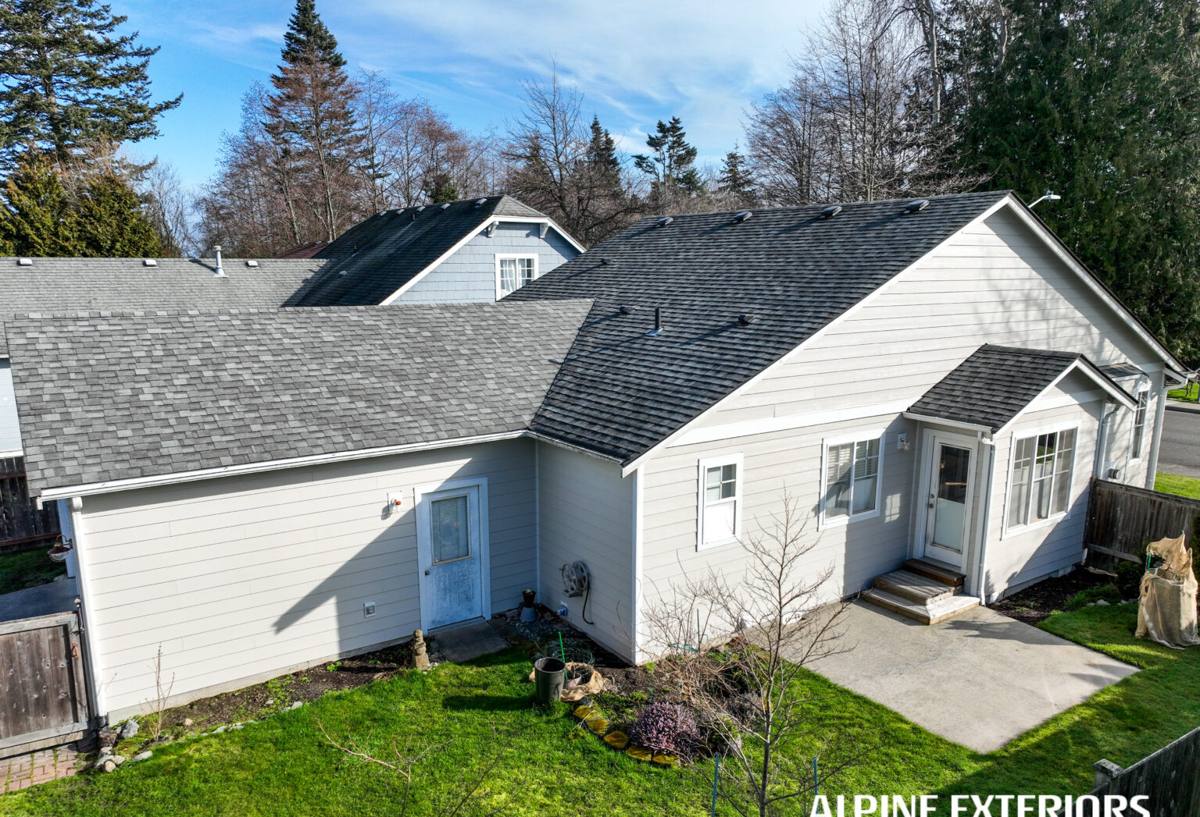
Why Being Harder to Reach Changes How Exterior Work Gets Done
Point Roberts is part of Washington, but it's geographically cut off from the rest of the mainland U.S. — the practical route in and out runs through Canada. That geography has real consequences for homeowners trying to get exterior work done well:
- Fewer contractors are willing to service the area regularly, which can mean longer waits or crews that show up once and are hard to reach again for warranty follow-up.
- Material logistics take more planning — special-order siding, trim, or roofing components need to be staged and hauled in with the trip in mind, not ordered as an afterthought.
- A crew that only visits once won't have a feel for how a specific block or shoreline exposure behaves differently from another, even a mile away.
We plan Point Roberts jobs as full trips — materials staged, crew scheduled, and follow-up built in — rather than treating it as an inconvenient add-on to a Ferndale schedule. That's part of what "local crew" needs to mean for a community like this.
What Coastal Exposure Actually Does to a Home's Exterior
Siding
Salt air accelerates corrosion of fasteners and metal trim, and it can degrade paint films faster than inland exposure. Wood-based siding products absorb moisture at cut edges and seams, and once that starts, it's a maintenance treadmill — caulk, patch, repaint, repeat.
Roofing
Persistent dampness and shade are exactly what moss needs to take hold. Moss holds moisture against roofing material longer than it would otherwise sit, which shortens the life of asphalt shingles and can work its way under flashing over time.
Windows
Salt-laden moisture finds its way into poorly sealed frames and can pit or corrode hardware and cheaper metal components. Condensation between panes or fogging is a common sign that seals have started to fail faster than they would inland.
Decks
Ground-level and elevated decks facing the water get the full combination — driving rain, salt spray, and shaded moss growth on boards and framing that rarely fully dries out between storms.
Why We Install Only James Hardie Fiber Cement Siding
We made a decision a long time ago to install one siding product, and one product only: James Hardie fiber cement. We don't install vinyl, LP SmartSide, Cemplank, Allura, primed spruce, or cedar. That's not because those products don't have a place in the market — it's because in a climate like this one, the trade-offs aren't worth it to us or to the homeowners we work for.
Fiber cement is non-combustible, doesn't absorb moisture the way engineered wood or solid wood products can, and holds a factory-applied ColorPlus finish that's built to resist the fading and chalking that salt air and UV exposure cause faster here than in drier inland climates. James Hardie also engineers its HZ product lines specifically for regional climate conditions, rather than selling one generic board nationwide. For a place like Point Roberts, that climate-specific engineering matters more than it would in a milder, drier region.
James Hardie also backs its siding with a strong, transferable warranty — which matters on the coast, where the difference between a product that holds up and one that doesn't shows up in years, not seasons.
How Common Siding Options Compare in a Marine Climate
| Material | Moisture Behavior | Maintenance | Typical Lifespan Here |
|---|---|---|---|
| James Hardie fiber cement | Non-combustible, engineered for regional climate, minimal water absorption | Occasional wash; ColorPlus finish resists fading | Decades with correct installation |
| Vinyl | Doesn't absorb water, but can warp, crack, or fade under UV and temperature swings | Low, but damage isn't repairable — panels get replaced | Moderate; visibly ages faster in harsh coastal sun and salt |
| LP SmartSide / engineered wood | Wood-based core is vulnerable at cut edges and seams if moisture gets in | Requires diligent caulking and repainting on schedule | Shorter if maintenance lapses in a wet climate |
| Cedar / primed spruce | Natural wood absorbs moisture readily; needs a sound finish to perform | High — regular refinishing, moss and rot monitoring | Shortest without consistent upkeep |
How We Install Siding for Point Roberts Conditions
The product is only half the equation. Fiber cement siding performs the way it's supposed to only when the details behind it are done right — and those details matter more on an exposed, salt-air site than they do further inland.
- Proper weather-resistive barrier and flashing details at every window, door, and penetration, since driving rain will find any gap over time.
- Correct fastener spacing, type, and depth per James Hardie's installation specifications — under- or over-driven fasteners are one of the most common causes of premature failure.
- Rainscreen or adequate drainage gap where conditions call for it, so moisture that does reach the wall assembly has somewhere to go.
- Sealed, back-primed cut edges on site-cut boards, since factory finish only protects what the factory finished.
- Attention to ground clearance and grade so siding isn't sitting in standing moisture near the foundation.
These aren't exotic steps — they're the manufacturer's spec, done consistently. Skipping them is how a good product ends up with a bad reputation.
Beyond Siding: Roofing, Windows, and Decks Built for the Same Conditions
Siding doesn't work in isolation — it's one piece of the exterior envelope. We handle roofing, windows, and decks for the same reason we standardized on one siding product: a home's exterior needs to work as a system against the same salt air, rain, and moss pressure everywhere it's exposed.
On roofing, that means materials and ventilation details suited to a moss-prone, damp climate, not just whatever's cheapest to install. On windows, it means units and flashing details that keep water out of the wall assembly, not just glass that looks good. On decks, it means framing and fastening choices that account for standing moisture and salt exposure, since a deck built to an inland spec won't hold up the same way on the water.
A Practical Maintenance Checklist for Point Roberts Homeowners
- Rinse siding and hard-to-reach exterior surfaces periodically to reduce salt buildup, especially on water-facing walls.
- Check and clear gutters before the heaviest fall rains, since overflow is a leading cause of hidden water damage.
- Watch shaded rooflines and north-facing siding for early moss growth and address it before it spreads.
- Inspect caulking around windows and trim annually — coastal UV and salt exposure break down sealants faster than inland conditions.
- Keep deck boards and framing clear of standing leaves and debris that trap moisture against the wood.
- Have flashing and penetrations checked periodically, since these are the most common entry points for water intrusion.
What to Look for When Hiring a Contractor Out Here
Given how few contractors regularly service Point Roberts, it's worth being deliberate about who you hire. Ask how often they work in the area, whether they'll be available for warranty or follow-up questions after the job, and whether they understand why a coastal, moss-prone site needs different details than a standard inland install. A contractor who treats every job the same regardless of exposure is more likely to skip the details that matter most here.
We're based in Ferndale and treat Point Roberts as a regular part of our service area, not a special trip. That means planning materials and scheduling around the realities of getting there, and standing behind the work once we're back on the mainland.
If your Point Roberts home is due for new siding, a roof, windows, or a deck, we're happy to walk the property, talk through what the exposure has done to it so far, and put together a straightforward, no-pressure estimate.