 Ferndale
 Exterior Contracting for Everson Homes
Everson sits inland from the coast along the Nooksack River, but that doesn't mean the exterior of your home gets an easy ride. Whatcom County weather doesn't stop at the city line — the same marine-influenced systems that soak Ferndale and Bellingham push east through the river valley, bringing long stretches of rain, heavy morning fog, and humidity that lingers in shaded yards and tree-lined lots. Add in a growing season that never really shuts off and you get siding, trim, and roofing that stay damp far more of the year than most homeowners realize.
We're a local exterior contractor working siding, roofing, windows, and decks throughout Ferndale and the surrounding Whatcom County communities, including Everson. This page focuses on siding — what the local climate does to it, what we install, and what to expect if you're planning a replacement or repair.
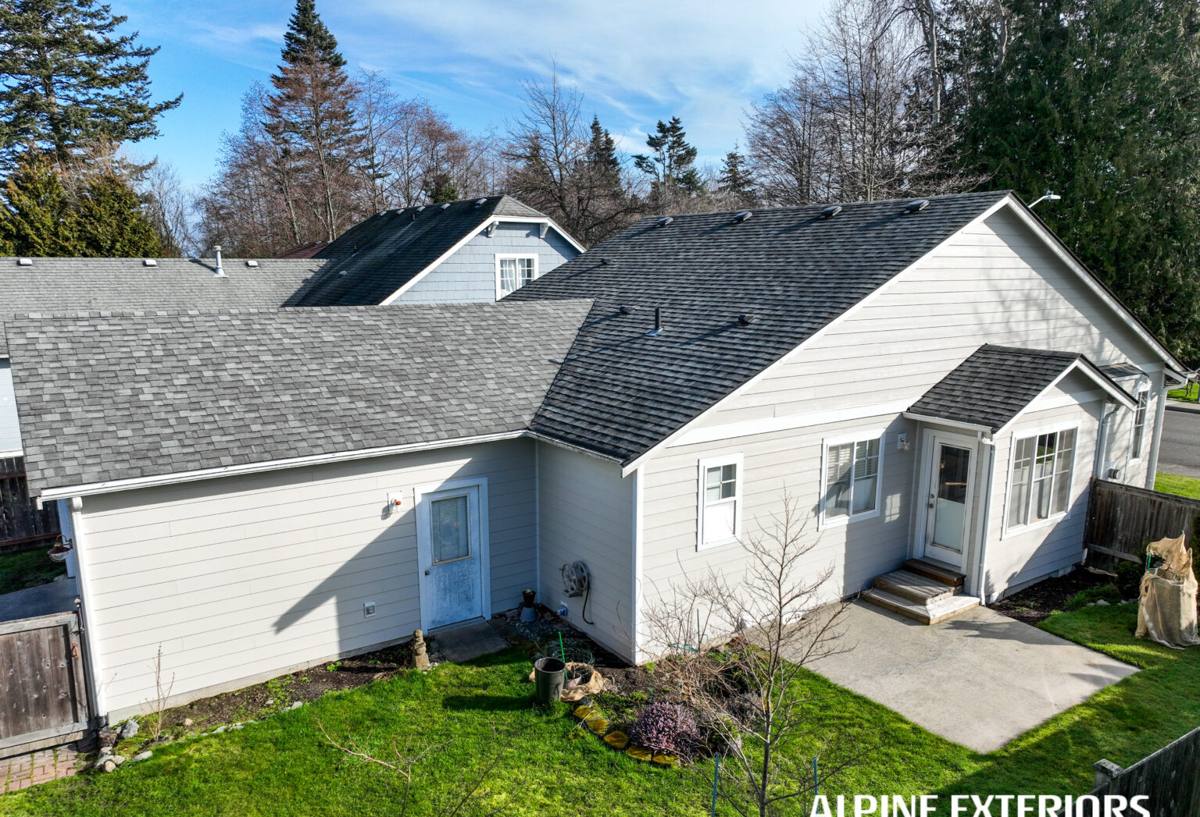
What Everson's Climate Does to a House
Everson's setting brings a few specific challenges that show up on exterior walls over time:
- Persistent moisture: River-valley humidity and long rainy stretches keep siding surfaces wet longer than they would be in a drier inland climate, which matters most where a product's water resistance depends on paint film or sealant staying intact.
- Moss and algae growth: Shaded, tree-covered lots near the river and surrounding farmland create ideal conditions for moss and green algae staining, especially on north- and west-facing walls that don't get much direct sun.
- Driving rain and wind exposure: Storms moving through the valley often bring rain sideways against exterior walls, which stresses seams, butt joints, and anything relying on caulk alone to stay watertight.
- Temperature swings: Warm summer days and cold, damp winters mean siding materials expand and contract repeatedly — a real test for anything prone to swelling, cupping, or cracking.
None of this is unique to any one street or subdivision — it's the reality of building in this part of Whatcom County. The practical result is that siding choice and installation quality matter more here than they would in a milder, drier climate.
How This Shows Up on Older Siding
On homes with wood, vinyl, or engineered wood siding, we typically see the same patterns: dark streaking and moss buildup in shaded areas, soft or delaminating spots near ground level and around window trim, buckled or warped panels where moisture got behind the material, and faded, chalky paint on south-facing walls that took years of direct sun between rainy stretches. These aren't signs of a bad house — they're signs of siding that's been doing its job under tough conditions for a long time.
Why We Only Install James Hardie Fiber Cement
We made a deliberate decision to install one siding system: James Hardie fiber cement. We don't install vinyl, LP SmartSide, Cemplank, Allura, primed spruce, or cedar. That's not because those products don't have a place in the market — it's because, given what we see repeatedly in this climate, fiber cement gives homeowners the best combination of durability, low maintenance, and long-term value, and we'd rather stand fully behind one system than split our attention across several.
Here's the honest comparison, including what other products do well:
| Material | Strengths | Trade-offs in this climate |
|---|---|---|
| James Hardie fiber cement | Non-combustible, factory-baked ColorPlus finish, engineered moisture resistance, strong transferable warranty | Higher upfront cost, heavier material requiring correct fastening |
| Vinyl siding | Low material cost, quick installation, no painting required | Can warp or crack in temperature swings, seams are a moisture entry point, limited fire resistance |
| LP SmartSide / engineered wood | Lighter weight, easier to install, wood-like appearance | Wood-based core is vulnerable if moisture gets past the coating, especially at cut edges and seams |
| Cedar / primed spruce | Natural appearance, traditional look many homeowners want | Ongoing painting and sealing required; the region's damp, moss-prone conditions accelerate wear |
Fiber cement isn't magic — it still needs to be installed correctly, with proper flashing, clearances, and fastening, to perform the way it's engineered to. But the material itself doesn't have an organic core to rot, doesn't expand and contract the way vinyl does, and holds a factory finish that doesn't rely on field-applied paint to keep water out.
What James Hardie Brings to an Everson Home
James Hardie's HZ5 product line is engineered specifically for climates like ours — wetter, milder Pacific Northwest weather rather than freeze-heavy inland climates. A few specifics worth knowing:
- ColorPlus Technology: a factory-applied, baked-on finish that resists fading and doesn't require repainting on the same schedule as field-painted siding.
- Moisture and moss resistance: the cement composition doesn't feed moss and algae the way organic wood fiber can, which matters directly for shaded, damp lots common around Everson.
- Non-combustible construction: fiber cement doesn't contribute fuel to a fire, an increasingly relevant consideration for insurance and building codes region-wide.
- Transferable limited warranty: coverage that can pass to a new owner if you sell, which matters for resale value on a long-term home.
Our Siding Installation Process
A siding job is only as good as the work underneath the boards. Our process on Everson homes typically includes:
- On-site inspection: we look at the existing siding, sheathing, and any trouble spots — window flashing, deck ledger connections, roof-to-wall transitions — before quoting anything.
- Removal and sheathing check: once old siding comes off, we inspect the wall sheathing for water damage or rot that needs addressing before new siding goes on. Covering up a hidden problem is worse than not fixing it at all.
- Weather-resistive barrier and flashing: correct house wrap, window and door flashing, and proper overlaps are what actually keep water out over the long run — the siding itself is the last line of defense, not the only one.
- Hardie installation to manufacturer spec: correct fastener spacing, clearances from grade and roof lines, and joint treatment, all done to James Hardie's published installation requirements to keep the warranty valid.
- Final walkthrough: we go over the finished work with you before calling the job done.
Roofing, Windows, and Decks — Often Handled Together
Siding rarely fails in isolation. A leaking roof edge, a failed window seal, or a rotting deck ledger board can all show up first as siding damage nearby. Because we handle roofing, windows, and decks in addition to siding, we can look at the whole exterior picture on an Everson home rather than treating siding as a standalone project. That matters most at transition points — where a roof meets a wall, where a deck attaches to the house, where a window is set into new siding — since those are the spots most likely to leak if different trades aren't coordinated.
Common Reasons Everson Homeowners Bundle Projects
| Situation | Why bundling makes sense |
|---|---|
| Re-siding around aging windows | New siding integrates cleanly with new window flashing; avoids cutting fresh siding around old, failing seals |
| Roof nearing end of life | Coordinating roof and siding work avoids re-flashing the same wall-roof transition twice |
| Deck ledger board attached to old siding | Ledger connections are a known leak point; addressing siding and deck framing together closes that gap properly |
Signs Your Everson Home May Need New Siding
- Persistent moss or dark staining that returns shortly after cleaning
- Soft, spongy, or crumbling spots when you press on the siding, especially near the bottom courses
- Visible warping, buckling, or gaps between panels
- Paint that's peeling or chalking heavily, particularly on sun-exposed walls
- Rising heating bills that suggest air and moisture are getting through the wall assembly
- Visible rot or damage around window and door trim
Cost Factors for a Siding Project
Every home is different, and we don't publish blanket pricing because square footage, wall complexity, trim detail, and current condition all move the number. In general terms, the biggest cost factors are:
| Factor | Why it matters |
|---|---|
| Total wall square footage | Larger homes and multi-story walls require more material and labor |
| Existing wall condition | Sheathing repair or rot remediation adds cost but is essential to do right |
| Trim and architectural detail | Dormers, bump-outs, and multiple roof lines increase cutting and fitting time |
| Siding profile and finish choice | Hardie offers several plank widths, textures, and ColorPlus colors at different price points |
| Access and site conditions | Steep lots, mature landscaping, or tight setbacks can affect staging and labor time |
We give straightforward, written estimates after an on-site look — no inflated numbers to negotiate down from later.
Why a Local Crew Matters
A crew that works this specific stretch of Whatcom County regularly knows what the climate does to a house here, not in a brochure sense but from having pulled off enough damaged siding to see the patterns firsthand. That translates into fewer surprises during a project, more realistic timelines around rainy stretches, and installation decisions — flashing details, clearances, ventilation — that account for what actually happens to a wall assembly through a full Whatcom County winter and summer.
If you're weighing a siding project for your Everson home, we're happy to take a look and give you a straightforward, no-pressure estimate. There's no obligation, and you'll get an honest read on what your siding actually needs — fill out the form below to get started.