 Ferndale
 Living With Board & Batten Siding in Lummi Nation, Ferndale
Board and batten is one of the most requested siding profiles we install around Lummi Nation and the rest of Ferndale — and it's easy to see why. The strong vertical lines read as clean and modern on newer builds, and just as at home on older farmhouses and waterside cottages throughout Whatcom County. But the look is only half the job. Out here, siding lives through salt-laden wind off the water, long stretches of driving rain, and a moss season that can stretch from fall through spring. A board and batten installation that isn't detailed correctly for this specific climate will show problems years before it should — cupped boards, streaking, soft spots at the base, moss creeping up from the ground line. This page is about what it actually takes to get board and batten right on a home in this area, not just what it takes to make it look good on installation day.
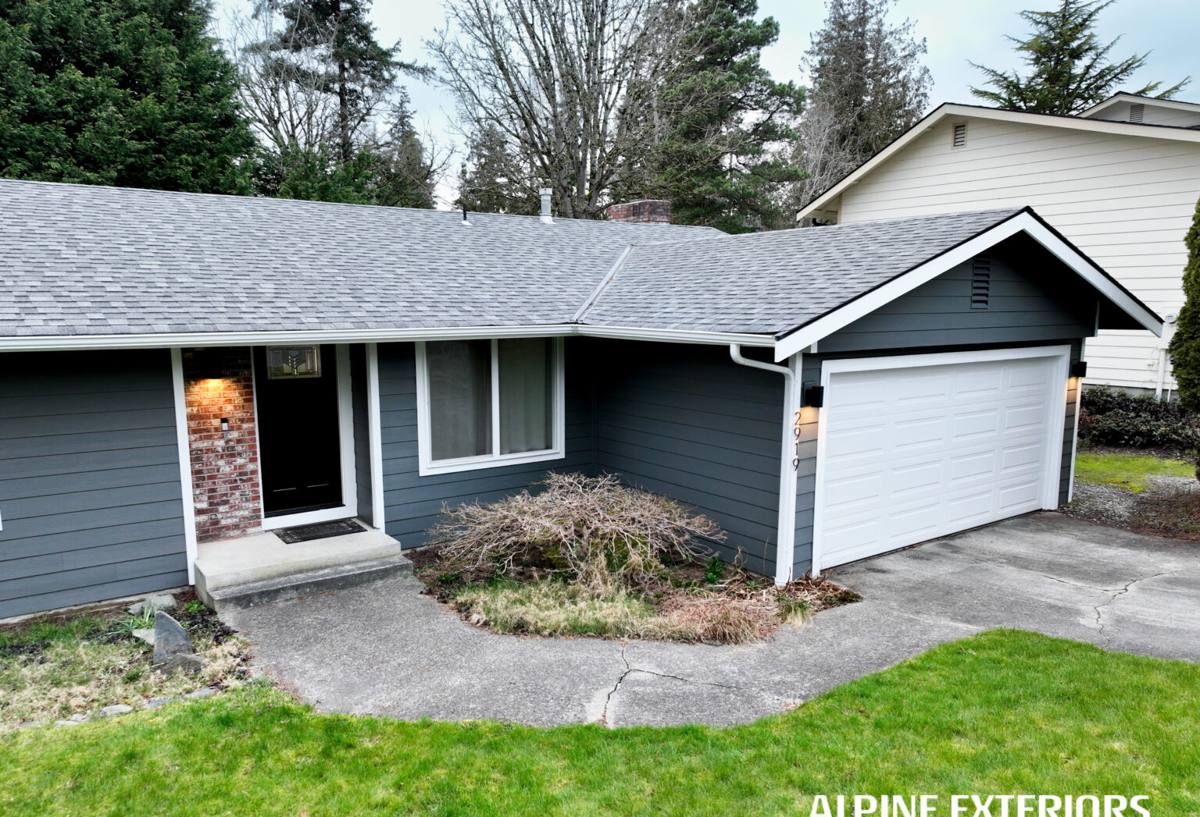
What This Climate Does to Vertical Siding Over Time
Lummi Nation sits close to the water, and that proximity shapes every siding decision we make here. Three conditions in particular drive how we detail a board and batten job in this part of Whatcom County.
Salt Air and Fastener Corrosion
Airborne salt doesn't just affect homes right on the shoreline — it travels on wind and settles on siding, trim, and especially fasteners for miles inland. Standard fasteners can start showing rust bleed through paint within a few years in a salt-exposed environment, and once a fastener head corrodes, water tracks along it into the substrate. This is one of the most overlooked failure points on vertical siding jobs, because the problem is invisible until it isn't.
Wind-Driven Rain and Board Joints
Board and batten relies on vertical joints and butt seams that, if detailed wrong, become direct paths for water. In a climate where rain regularly comes in sideways off the water, a joint that would be fine in a drier region can become a chronic leak point here. The batten placement and the gap behind the panel matter more in this climate than almost anywhere else we work.
Long Moss Season and Shaded Exposures
Whatcom County's wet season is long, and homes with tree cover or north-facing walls barely dry out between storms. Moss and algae take hold on any siding material that stays damp, and once established, they hold moisture against the surface — accelerating whatever damage was already starting underneath.
Why Board & Batten Suits Homes in This Area
Beyond the look, board and batten has practical advantages in a maritime climate when it's built with the right material and the right gap behind it. The narrow board widths shed water quickly compared to wide lap profiles, and the vertical battens create natural drip lines that keep water moving down and off the wall rather than pooling behind trim. On homes near the water in Lummi Nation, we also see a lot of mixed-material exteriors — board and batten paired with a lap or shingle profile on the same elevation — which plays to the strength of a factory-finished fiber cement system where every component is engineered to match and hold color together over time.
What a Correct Board & Batten Job Actually Involves
A board and batten installation is more sensitive to workmanship than most siding profiles. Skipping a step doesn't just shorten the lifespan slightly — it can cut it dramatically in a wet, salt-exposed environment like this one.
Rainscreen and Furring
We install board and batten over a drainage gap, not flush against the weather-resistive barrier. That gap lets any moisture that does get behind the panel drain and dry instead of sitting against the sheathing. Skipping the rainscreen is one of the most common shortcuts we see on older installs in this area, and it's usually the reason a home needs siding replaced well before its time.
Board Width, Reveal, and Fastening
Board width and batten spacing should be planned before the first panel goes up, not adjusted on the fly around windows and corners. Fastening pattern matters too — over-driven or under-driven fasteners, or fasteners placed too close to a board edge, create stress points that show up as cracking or popped nail heads within a few seasons.
Trim, Corners, and Flashing
Every horizontal transition — window heads, water tables, roof-to-wall intersections — needs proper flashing behind the trim, not just caulk over the top of it. Caulk is a maintenance item, not a waterproofing strategy. On a coastal-adjacent home, we treat flashing details as non-negotiable, not optional upgrades.
Why We Only Install James Hardie for This Profile
We install James Hardie fiber cement exclusively — not LP SmartSide, not vinyl, not Cemplank, Allura, primed spruce, or cedar. For board and batten specifically, that means HardiePanel vertical siding paired with HardieTrim battens, factory-finished with ColorPlus Technology and engineered as an HZ5 product for the Pacific Northwest's wet, temperature-swinging climate. Fiber cement doesn't absorb water the way wood-based products can, it won't support insect activity, and it's non-combustible — a real consideration during Washington's wildfire smoke seasons even out here near the water. The factory finish also means the color coat is baked on under controlled conditions, so it holds up more evenly across a wall than field-applied paint on wood or engineered wood siding.
| Factor | James Hardie Fiber Cement | Wood / Engineered Wood | Vinyl |
|---|---|---|---|
| Moisture behavior | Resists swelling and rot; engineered for wet climates | Absorbs moisture if finish fails; prone to swelling | Doesn't absorb water, but can trap moisture behind panels |
| Finish durability | Factory-baked ColorPlus finish, long repaint interval | Field-applied paint/stain needs regular upkeep | Color molded in, but fades and chalks with UV exposure |
| Fire resistance | Non-combustible | Combustible | Can deform or melt under heat |
| Salt air / coastal exposure | Engineered for coastal, high-moisture regions | More vulnerable without diligent maintenance | Generally stable, but fasteners and trim still corrode |
| Warranty | Strong, transferable manufacturer warranty | Varies widely by product and finish | Often prorated after early years |
We're not saying wood or vinyl can't perform in the right application. We're saying that for a coastal, moss-heavy, wind-exposed climate like this one, the trade-offs stack up in favor of one material — and that's what we put on every home we side, board and batten included.
Our Process for a Lummi Nation Board & Batten Project
Every project starts with a walk of the existing exterior, not just a measurement. We're looking for moisture damage, past shortcuts, and site-specific exposure — sun, shade, prevailing wind direction — before we ever talk material or budget.
- On-site assessment of existing siding, trim, and any moisture or moss damage at the base and around openings
- Confirmation of substrate condition before covering anything up — rot gets repaired, not sealed over
- Rainscreen/furring installation to create a drainage gap behind the panel
- HardiePanel and HardieTrim battens installed to manufacturer fastening specs, adjusted for local wind exposure
- Flashing detail at every horizontal transition — window heads, water tables, roof lines
- Final walkthrough covering care and what to watch for through the first wet season
Maintaining Board & Batten Through Moss Season and Salt Exposure
Even a correctly installed board and batten system benefits from basic seasonal attention in this climate. A soft wash to clear moss and algae buildup before it takes hold protects the finish far more than scrubbing it off after months of growth. It's also worth checking caulked joints at trim and corners once a year — caulk is a wear item, and catching a failed bead early is a five-minute fix instead of a repair project. Homes with heavy tree cover or a north-facing wall in shade for most of the day will need this attention more often than a wall that gets regular sun and wind to dry it out.
Cost Factors to Expect
Every board and batten project is priced around the specific home, but a few factors consistently move the number more than others in this area.
| Factor | Why It Matters Here |
|---|---|
| Existing siding removal and substrate repair | Coastal moisture exposure means hidden rot is more common than in drier regions |
| Board width and batten spacing | Narrower reveals and custom spacing take more labor per square foot than standard lap siding |
| Trim and flashing complexity | Homes with multiple roof-to-wall transitions need more flashing detail, which adds time |
| Site access | Waterfront and sloped lots common in this area can add setup and staging time |
Installed fiber cement board and batten typically falls in the same broad range as other Hardie siding profiles, with the final number set by square footage, trim detail, and how much substrate work is needed underneath. We always provide a written, itemized estimate before any work starts — no surprise line items after the fact.
Why Local Experience Matters for This Job
A siding crew that hasn't worked this stretch of Whatcom County can still follow a spec sheet, but they won't know it until they've seen how fast moss returns on a shaded wall here, or how much salt exposure a home a mile from the water actually takes on. That kind of judgment — where to add extra flashing, which elevations need a tighter fastening schedule, when a "good enough" gap behind the panel isn't good enough — comes from doing this work repeatedly in this exact environment, not from a general knowledge of siding installation. If you're planning a board and batten project in Lummi Nation, we'd rather walk your home and give you a straight answer about what it needs than guess from a general spec.
If you're considering board and batten siding for your Lummi Nation home, we're happy to take a look and put together a free, no-pressure estimate — just fill out the form below.