 Ferndale
 Composite Decking Built for Lummi Nation's Coastline
Lummi Nation sits right up against Bellingham Bay and Hale Passage, which means homes here take a steadier dose of salt-laden air than most of inland Whatcom County. Add in Western Washington's long wet season and the shade that comes with mature evergreens on a lot of properties, and a deck out here is working harder than the same deck would be twenty minutes east. We've built and repaired decks throughout the Lummi Nation and Ferndale area long enough to know which details actually matter in this specific environment, and which ones are just upsells.
This page is about one job, done right, for this one area: composite decking for homes on or near Lummi Nation. Not a general decking pitch — the specifics of what salt air, driving rain, and moss pressure do to a deck out here, and how we build around them.
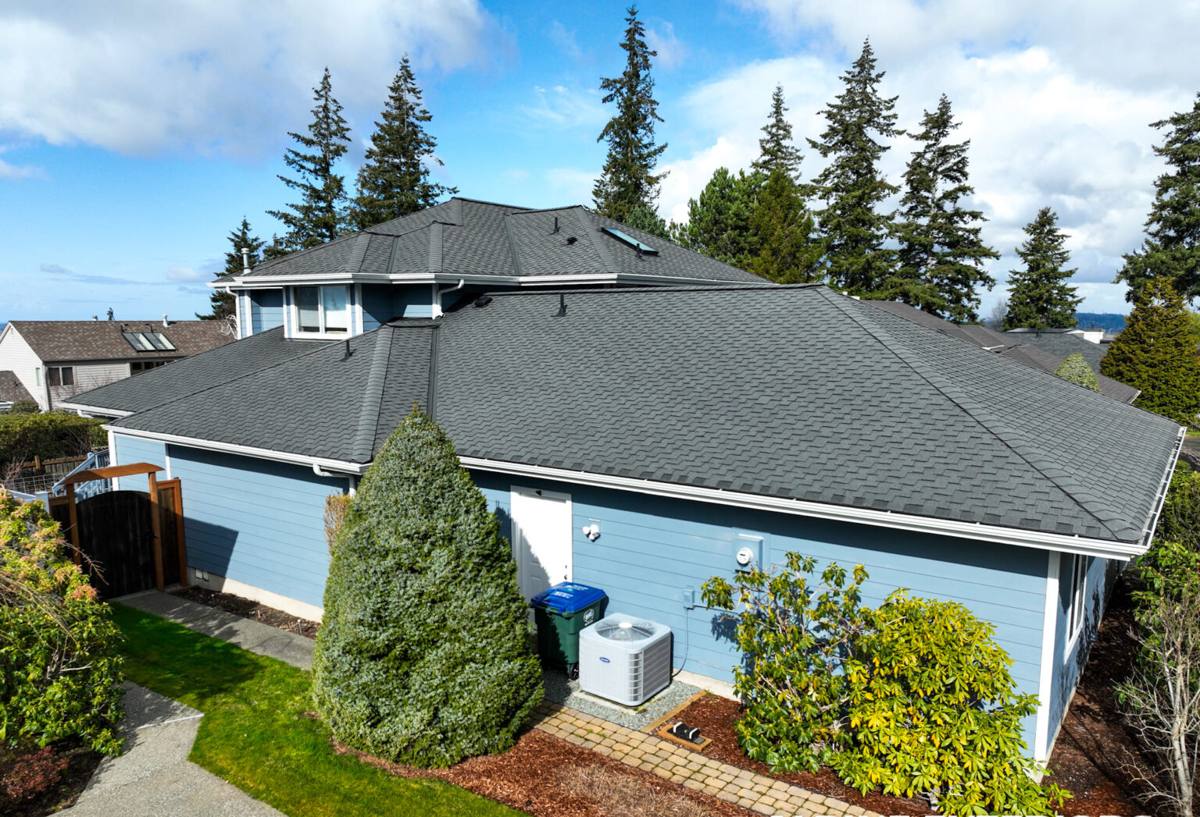
What This Climate Actually Does to a Deck
Salt Air and Metal Hardware
Proximity to saltwater accelerates corrosion on anything metal — screws, joist hangers, post bases, railing brackets. On a standard wood deck, that shows up as rust streaks and, eventually, fasteners that lose their grip. Composite decking doesn't solve this by itself; the hardware underneath still needs to be rated for it. We use stainless or coated fasteners and connectors sized for coastal exposure on every Lummi Nation project, not just the ones facing open water.
Driving Rain and Water Management
Whatcom County's rain doesn't just fall straight down — wind off the water pushes it sideways into fascia boards, ledger connections, and rail posts. If flashing and drainage aren't handled correctly at the ledger board (where the deck meets the house), water finds its way behind siding and into framing over time. This is the single most common failure point we find on older decks in this area, and it has nothing to do with the decking material itself.
Moss, Algae, and Shade
Long wet seasons plus tree cover mean moss and algae get a real foothold on any horizontal surface that stays damp, especially north-facing decks or ones tucked under fir and cedar canopy. Left alone, that buildup holds moisture against the board surface and turns walking surfaces slick. Composite boards resist rot from this the way wood can't, but they still need airflow underneath and a surface texture that doesn't trap grime.
Why Composite Makes Sense Here — With Honest Trade-Offs
Composite decking is a reasonable fit for the Lummi Nation climate because it doesn't absorb water the way wood does, so it isn't feeding rot or hosting insects the same way. It also doesn't need annual staining or sealing, which matters if your deck sits under tree cover and gets soft, dirty, or shaded for weeks at a time. That said, it's not maintenance-free, and we won't tell you it is:
- Composite still needs periodic washing to keep pollen, moss spores, and salt residue from building up on the surface
- Lower-quality composite boards can fade or show surface wear faster in constant damp shade than in drier climates
- Framing underneath — whether wood or specialty joists — still needs to be rated for ground contact and coastal moisture, since the decking surface is only part of the system
- Fastening systems (hidden clips vs. face screws) affect how the deck handles seasonal expansion in our temperature swings; picking the wrong one shows up as squeaking or board movement within a couple of years
Composite vs. Wood vs. PVC — Cost and Performance Factors for This Area
| Factor | Pressure-Treated Wood | Composite | PVC/Capped Polymer |
|---|---|---|---|
| Upfront material cost | Lowest | Mid-range | Highest |
| Maintenance in salt air | Annual sealing, hardware checks | Periodic washing, hardware checks | Periodic washing |
| Moss/algae resistance | Low — porous surface holds moisture | Moderate to good, depends on board quality | Good — fully non-porous |
| Expected lifespan here | 10-15 years with upkeep | 20-30 years | 25-30+ years |
| Feel underfoot | Warm, traditional | Solid, some flex depending on brand | Firmer, more uniform |
None of these is the "wrong" answer across the board — it depends on your budget, how much shade your lot gets, and how much upkeep you actually want to do. Composite tends to land in the sweet spot for Lummi Nation homeowners who want less annual maintenance than wood without the higher entry cost of full PVC.
What a Correct Composite Deck Build Involves
Framing and Substructure
The decking boards get most of the attention, but the framing underneath is what determines whether the deck is still solid in fifteen years. In this climate, that means joists and beams either pressure-treated for ground contact or protected with joist tape at every cut and fastener point, proper post footings below frost depth, and beam spans sized correctly for our snow and wind load requirements — not just whatever spacing looks fine on install day.
Ledger Attachment
Where the deck ties into the house is the highest-risk point for water intrusion. We flash it correctly, use through-bolts or approved structural screws rather than nails, and make sure there's a drainage gap so water sheds away from the house band board instead of pooling against it.
Fastening the Decking Surface
Hidden fastener clip systems give a clean look with no visible screw heads, but they need to be matched to the specific composite board profile — mixing systems is a common DIY mistake that leads to board lift over time. Face-screwing is more forgiving and easier to repair a single board later, which we'll discuss with you depending on the layout and your priorities.
Ventilation Underneath
Composite doesn't rot, but trapped moisture underneath a low-clearance deck can still cause problems for the framing and create a damp environment that attracts pests. We build in proper ventilation gaps and, on lower decks, sometimes recommend a drainage system underneath if the space will be used for storage or living area below.
Our Process for Lummi Nation Projects
- On-site assessment — we look at sun/shade exposure, distance from the water, existing structure condition if this is a replacement, and drainage around the footprint
- Material and layout discussion — honest walkthrough of composite board options, fastening systems, and railing choices that fit your budget and the site conditions
- Permitting — deck rebuilds and new builds generally require a permit through the appropriate jurisdiction; we handle that process rather than leaving it on you
- Demo (if replacing an existing deck) — including inspection of ledger and framing condition once old decking is off, since that's often where hidden rot shows up
- Framing and structural work — built to span and load requirements for this region, not just visual guesswork
- Decking installation — correct fastening system, proper board spacing for expansion, and attention to any transitions around posts or stairs
- Final walkthrough — we go over care basics with you, including simple washing routines that keep moss and salt film from building up
Why Hiring a Crew That Already Works This Area Matters
A lot of the decisions above — hardware grade, flashing detail, ventilation, even board selection — change based on how close a specific property sits to the water and how much shade it gets. A crew that hasn't worked Lummi Nation and the surrounding Ferndale coastline regularly is guessing at those variables. We're not; it's part of our regular service area, and we've seen firsthand what holds up here and what doesn't over several wet seasons in a row. That's not a marketing line — it's the difference between a deck that needs hardware replaced in five years and one that doesn't.
Maintenance Checklist for Composite Decks in This Climate
- Sweep off debris and standing pine needles or leaves regularly, especially in fall
- Wash the surface with a soft-bristle brush and mild soap a couple of times a year to prevent moss and algae film from setting in
- Check railing posts and hardware annually for early rust or looseness, particularly on the side facing prevailing wind and salt spray
- Keep gutters and downspouts near the deck clear so runoff isn't dumping extra water onto or under the deck surface
- Trim back overhanging branches where practical to cut down on shade-driven moss growth
- Inspect the ledger board area at the house connection once a year for any signs of moisture staining
Getting Started
If you're weighing a new composite deck or a replacement for an aging one in Lummi Nation, we're happy to walk the site with you and give you a straight read on what it needs — no pressure, no inflated scope. Reach out through the form below for a free estimate.