 Ferndale
 Roof Repair Built for Birch Bay's Coastline
Birch Bay sits right on the water, and that changes what a roof has to put up with compared to a home a few miles inland in Ferndale or elsewhere in Whatcom County. Salt-laden air, wind-driven rain coming straight off the Strait of Georgia, and a moss season that runs long and wet all work on a roof at the same time, year after year. A repair that would hold up fine in a drier, more sheltered spot can fail early here if it doesn't account for those conditions. We work on roofs in this stretch of coastline regularly, and this page walks through what actually goes into a correct repair for a Birch Bay home.
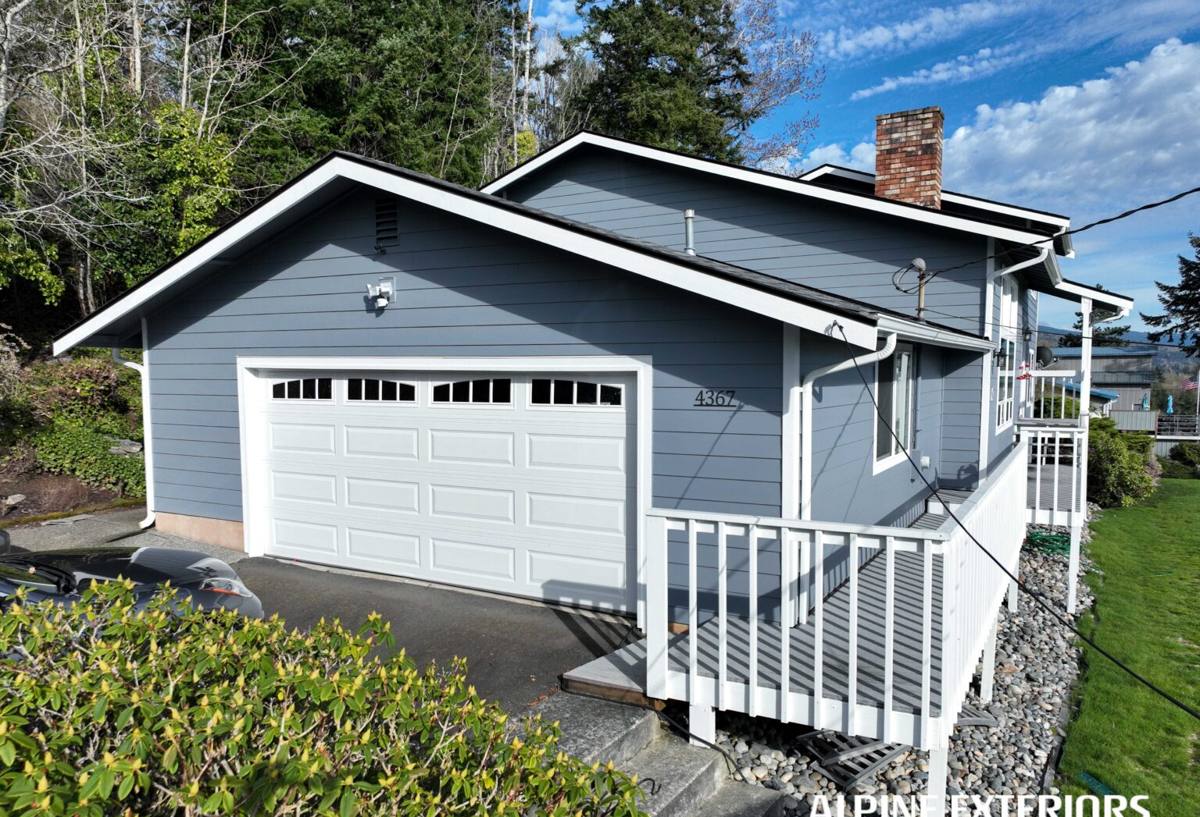
What Birch Bay's Climate Does to a Roof
Every coastal community deals with weather, but Birch Bay's combination of exposure and moisture is a specific set of stressors:
Salt Air and Metal Components
Salt in the air accelerates corrosion on exposed metal — flashing, fasteners, vent caps, gutter hardware. Standard fasteners and thin-gauge flashing that might last two decades inland can start showing rust and pitting much sooner this close to the water. That matters for a repair because if the crew doing the work reaches for whatever flashing or screws are in the truck, rather than material rated for coastal exposure, the repair can start failing again in a fraction of the time.
Driving Rain and Wind
Storms coming off the water don't just drop rain straight down — they push it sideways, up under shingle edges, and into any gap in flashing or siding transitions. A repair that only addresses the visible hole or missing shingle, without checking how wind-driven rain moves around that area, often leaves the underlying problem in place.
A Long Moss Season
Whatcom County's damp, mild climate keeps roofs wet for long stretches of the year, and Birch Bay's proximity to the water adds even more ambient moisture. Moss and algae take hold on north-facing slopes and shaded areas, and once established they hold water against the roofing material, work into shingle laps, and can lift or degrade shingles from underneath — often well before the surface looks obviously damaged.
Signs a Birch Bay Roof Needs Repair, Not Just Cleaning
Moss removal and a repair are two different jobs, and it's worth knowing which one you actually need before you call anyone out.
- Granule buildup in gutters or at downspout outlets — a sign shingles are wearing thin
- Soft or spongy spots when walking the roof, suggesting decking damage underneath
- Daylight visible through the roof deck from inside the attic
- Water stains on ceilings or in the attic, especially after a wind-driven storm
- Curling, cracked, or missing shingles, particularly near ridges and edges
- Flashing that's visibly rusted, lifted, or separated from the roof plane
- Thick moss mats that have been sitting for more than one season
- Granule loss or bare patches concentrated on one slope (usually the one facing prevailing wind and rain)
If you're seeing moss but the roofing underneath is still sound, that's a maintenance and cleaning conversation. If you're seeing any of the structural signs above, that's a repair conversation — and the two often get discovered together on the same inspection.
What a Correct Repair Actually Involves
A roof repair done right isn't just patching the spot that's leaking. It's tracing the problem back to its actual source, because water rarely enters where it shows up.
Diagnosis Before Patching
Leaks travel. Water can enter at a flashing gap or a wind-lifted shingle several feet from where a stain appears on the ceiling, running along rafters or sheathing before it drips through. A correct repair starts with tracing the path, not just covering the visible symptom.
Matching Materials, Not Just Covering the Gap
Shingle color, profile, and granule blend change over the years, so a patch on an older roof won't always match perfectly — but it should come close, and it should tie into the existing roofing system correctly at the laps and fasteners, not just sit on top of it.
Flashing and Underlayment
Given how much of Birch Bay's roof damage traces back to flashing and water intrusion at transitions, any competent repair includes inspecting and, where needed, replacing flashing around chimneys, vents, valleys, and wall intersections — not just the shingles nearby.
Decking Condition
If water has been getting in for a while, the plywood or board decking underneath may be soft, delaminated, or rotted. Patching shingles over compromised decking doesn't hold — the new material has nothing solid to grip, and the problem resurfaces.
Ventilation
Poor attic ventilation traps moisture, which speeds up decking rot and can contribute to moss and mildew growth from the underside as well as the surface. A repair that ignores ventilation is treating one symptom while leaving the underlying moisture problem in place.
Common Roof Problems We See Around Birch Bay
| Problem | Typical Cause Here | What Fixing It Right Requires |
|---|---|---|
| Rusted or lifted flashing | Salt air corrosion, wind flexing over years | Corrosion-resistant flashing, correct fastening and sealing |
| Moss-related shingle lift | Long wet season, shaded north slopes | Moss removal, damaged shingle replacement, gentle cleaning approach |
| Wind-driven leaks at valleys | Storms off the water pushing rain sideways | Valley flashing repair or replacement, not just surface sealant |
| Soft or spongy decking | Long-term slow leak before discovery | Decking replacement under the repair area, not just a shingle patch |
| Granule loss / thinning shingles | Age combined with coastal weather exposure | Honest assessment of repair vs. remaining roof life |
Our Repair Process
- Inspection. We get on the roof (or use a safe vantage point when conditions don't allow it) and check the problem area plus the areas around it — flashing, valleys, vents, and any spots showing wear patterns typical of this stretch of coastline.
- Honest assessment. We tell you plainly whether this is a repair, or whether the roof is old enough or damaged enough that a repair is a short-term fix and replacement should be part of the conversation.
- Written estimate. Scope, materials, and price before any work starts — no surprises mid-job.
- The repair itself. Removing damaged material, checking and repairing decking as needed, installing matched roofing material and correctly detailed flashing.
- Cleanup and walk-through. Debris cleared, work area checked, and we show you what was done and why.
What Roof Repair Costs Depend On
We're not going to quote a number here that means nothing without seeing your roof, but these are the real factors that move the price up or down:
| Factor | Why It Matters |
|---|---|
| Size of the damaged area | A single flashing repair costs far less than a multi-slope shingle replacement |
| Decking condition | Rotted decking underneath adds material and labor beyond the visible patch |
| Roof pitch and access | Steeper roofs and harder-to-reach areas take longer and require more safety setup |
| Roof age and material availability | Older shingle profiles can be harder to match closely |
| Number of penetrations involved | Chimneys, skylights, and multiple vents each add flashing detail work |
Why It Matters That We Already Work Birch Bay
A crew that's worked roofs in this specific area already knows which slopes tend to hold moss longest, how fast salt air chews through unprotected metal, and how wind off the water tends to drive rain into valleys and flashing joints that a drier inland roof would never stress the same way. That's not something you pick up from a general roofing background — it's specific to this coastline. It also means we're familiar with the practical side of working here: permitting through Whatcom County, typical roof ages in the area's housing stock, and getting a repair scheduled and done before the next storm system comes through, not weeks after.
Maintenance That Extends a Repair's Life
A good repair lasts longer with a small amount of upkeep, especially in a climate like this one:
- Keep gutters clear so water isn't backing up under the shingle edge, particularly during the wetter months
- Have moss addressed before it builds into thick mats — a light, gentle removal is far less invasive than dealing with established growth
- After major windstorms off the water, a quick visual check (from the ground, or ask us) for lifted or missing shingles catches small problems early
- Keep an eye on flashing around chimneys and vents for early rust or lifting, since that's where salt air does its work first
- Don't ignore small interior stains — they're almost always cheaper to fix early than after a full season of hidden water intrusion
When Repair Isn't the Right Call
Part of doing this honestly is telling you when a repair is the wrong move. If a roof is old enough that it's had multiple repairs already, if the damage is spread across most of the roof rather than isolated to one area, or if decking damage is extensive, patching one section is often just delaying a full replacement — and spending that repair money toward replacement instead is usually the better financial decision. We'll tell you straight if that's where your roof stands rather than selling a patch that won't hold.
If you're dealing with a leak, storm damage, or a roof that's been collecting moss for a season or two longer than it should have, we're happy to take a look. Reach out for a free, no-pressure estimate — the form below gets you started, and there's no obligation to move forward with anything until you've seen the numbers and the plan.