 Ferndale
 Birch Bay Decks Live a Harder Life Than Most
A deck in Birch Bay does not age the same way as one twenty miles inland. Sitting right along the water puts every board, fastener, and post in the path of salt-laden air, wind-driven rain that gets under flashing most builders don't think twice about, and a moss season that runs long and wet even by Whatcom County standards. None of that means a deck can't last — it means it has to be built and repaired with those conditions in mind, not treated like a generic outdoor structure.
We're a Ferndale-based crew, and Birch Bay is part of our regular service area, not a special trip. That matters more than it sounds like it should, because the failure patterns we see on Birch Bay decks are consistent enough that we stop guessing and start diagnosing correctly the first time we're on site.
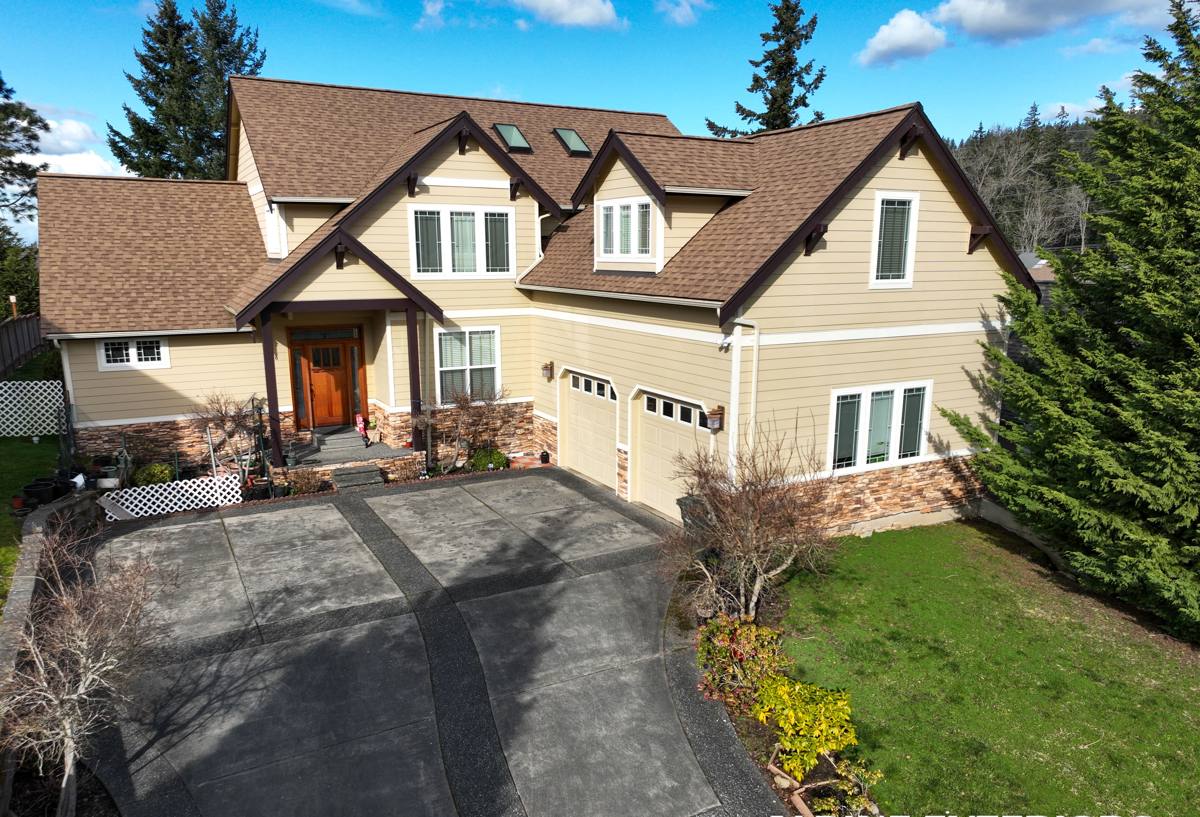
What Salt Air, Rain, and Moss Actually Do to a Deck
Salt Air and Corrosion
Airborne salt accelerates corrosion on anything metal — nails, screws, joist hangers, bolts, and post bases. Standard fasteners that would hold up fine further inland can start rusting and losing grip strength years earlier near the water. Once a fastener corrodes, it doesn't just look bad; it stops doing its job, and that's how you end up with loose railings, squeaking boards, or worse, structural connections that have quietly weakened.
Driving Rain and Water Intrusion
Wind off the water pushes rain sideways and up under edges that would stay dry in a calmer climate. The most common entry points are the ledger board where the deck meets the house, gaps around post bases, and any spot where flashing was skipped or installed short. Water that gets in and can't get back out is the single biggest cause of hidden rot.
Moss, Algae, and a Long Wet Season
Whatcom County's moss season isn't a few weeks — it's most of the year in shaded, damp spots. Moss and algae hold moisture directly against the wood surface, which speeds up decay, and they make boards genuinely slick and dangerous underfoot, especially on stairs. A deck that looks fine but stays green and damp in the corners is usually further along in deterioration than it appears.
The Deck Problems We See Most Often in Birch Bay
- Rotted or soft ledger boards where the deck attaches to the house, often from missing or failed flashing
- Corroded fasteners and hardware — rusted nails, weakened joist hangers, seized bolts on railings and stairs
- Delaminating or swollen composite boards at cut edges or fastener points where moisture got into the core
- Soft, spongy decking boards, especially near the house or in shaded corners that never fully dry out
- Wobbly or leaning railings and posts from base rot or corroded connectors
- Moss and algae buildup on boards and stairs, creating a slip hazard beyond just an appearance issue
- Stair stringer cracking or rot, which is a safety issue, not a cosmetic one
What a Correct Repair Actually Involves
A lot of deck "repair" work is really just replacing whatever board looks worst and calling it done. That approach almost always misses the actual cause, which means the same problem comes back in a season or two. We approach it differently:
Find the Cause, Not Just the Symptom
If a board is soft, we want to know why. Is it a one-off spot where a fastener failed, or is water getting in from a flashing gap at the ledger, a post base sitting in standing water, or poor drainage underneath the deck? Replacing the board without fixing the water path just buys a little time.
Structural Checks Come First
Before we touch surface boards, we check the framing underneath — joists, beams, ledger connection, and post footings. A deck can look fine on top and still have a compromised structural connection underneath, particularly near the water where corrosion works on hardware you can't see from above.
Match Materials and Fastener Grade to the Environment
Near Birch Bay, that means corrosion-resistant fasteners and hardware rated for the exposure, not whatever's cheapest at the hardware store. It also means proper flashing at every point where the deck meets the house or where water could otherwise sit against wood.
Rebuild Drainage, Not Just Boards
Gaps between boards, slope away from the house, and clear space underneath the deck all matter for keeping water moving instead of pooling. Part of a correct repair is restoring that drainage where it's been lost to buildup, debris, or an original build that didn't account for it.
Repair or Replace? What Actually Drives That Decision
Homeowners often assume any deck problem means a full rebuild, and just as often assume a repair will always be the cheaper fix no matter what's wrong. Neither is a safe assumption — the right call depends on how far the damage has spread and where it's located.
| Factor | Favors Repair | Favors Replacement |
|---|---|---|
| Extent of rot/damage | Isolated to a few boards or one area | Spread across the frame or multiple sections |
| Structural framing condition | Joists, beams, and posts are sound | Framing itself is compromised or undersized |
| Ledger board condition | Solid, properly flashed | Rotted or improperly attached to the house |
| Deck age | Newer deck, isolated wear issue | Original deck already near end of expected life |
| Fastener/hardware condition | Hardware still sound, minor surface corrosion | Widespread corrosion on structural connectors |
| Budget goals | Extend usable life at lower upfront cost | Want a long-term reset and possibly a new layout |
Cost ranges vary a lot based on square footage, how much framing is involved, and decking material, so we don't quote sight-unseen — but a targeted board and hardware repair is typically a modest project, while anything touching the ledger, main framing, or a large portion of the deck surface moves toward a bigger scope. We'll always tell you plainly which category your deck falls into and why.
How We Handle a Birch Bay Deck Repair
- On-site inspection. We walk the deck, check boards by hand for softness, inspect fasteners and hardware, and get underneath to look at framing, the ledger connection, and post bases.
- Honest diagnosis. We tell you what's actually causing the problem — not just which boards look bad — and what happens if it's left alone.
- Clear scope and estimate. You get a written explanation of what needs to happen, what's optional, and a real number before any work starts.
- Repair work. Matched materials, corrosion-resistant fasteners, proper flashing, and drainage corrections where needed — not just board swaps.
- Final check and cleanup. We confirm the fix is solid, walk you through what we did, and leave the site clean.
Materials and Hardware: Why the Details Matter Here
For framing repairs, we use pressure-treated lumber rated for ground contact where it's in contact with soil or persistent moisture, which is standard practice and not optional in a climate like this. For fasteners and structural hardware, we favor stainless steel or heavy hot-dip galvanized coatings suited to coastal exposure — lighter coatings simply don't hold up as long this close to the water, and replacing corroded hardware twice costs more than doing it right the first time.
On decking material itself, both quality wood and composite boards can work well in this environment, but each comes with trade-offs worth knowing. Wood needs regular refinishing to keep water out and resist moss, but it's straightforward to spot-repair board by board. Composite decking is largely maintenance-free on the surface, but if moisture gets into a cut edge or a fastener point that wasn't properly sealed, that section can swell or delaminate, and repair usually means full board replacement rather than a patch. We'll talk through what you already have and what fits your goals rather than pushing one material as universally better.
Keeping a Repaired Deck in Good Shape
A correct repair buys you years, but a little seasonal upkeep protects that investment — especially with moss season being as long as it is here.
- Sweep debris off the deck surface regularly, especially in fall when leaves and needles pile up and trap moisture
- Rinse or gently scrub moss and algae off boards and stairs before they build up a slick layer
- Keep gutters and downspouts clear so runoff isn't dumping extra water onto or near the deck
- Check underneath the deck once or twice a year for standing water, debris blocking drainage, or new soft spots
- Look over railings and stair connections periodically for looseness, a common early sign of fastener corrosion
- Re-seal or refinish wood decking on the manufacturer's recommended schedule rather than waiting until it looks obviously worn
Why a Crew That Already Works Birch Bay Is Worth Choosing
Deck repair isn't a one-size-fits-all trade. A contractor who mostly works drier, inland jobs may not think twice about fastener grade or ledger flashing detail, because for their typical job it doesn't matter as much. Working Birch Bay and the rest of the Ferndale area regularly means we're not guessing about what the salt air and rain do here over time — we've seen it, diagnosed it, and fixed it enough times to know where problems actually start, not just where they show up.
That local familiarity also means a more accurate estimate the first time, because we're not surprised by what we find once we get under the deck. And it means being a crew you can reach again down the line, whether that's a follow-up question or a next phase of work, not a name from out of town you can't easily track down.
Get a Straight Answer on Your Deck
If your Birch Bay deck has soft boards, a wobbly railing, corroded hardware, or just doesn't feel as solid as it used to, it's worth getting an honest look before the damage spreads further into the structure. Fill out the form below for a free, no-pressure estimate — we'll tell you plainly what we find and what your real options are.