 Ferndale
 Storm Damage Roof Repair for the Sudden Valley Community
When a windstorm rolls off the Strait or a heavy winter system dumps rain sideways for two days straight, roofs around Sudden Valley take a beating that's different from what you'd see further inland. Homes here deal with a mix of tall timber that sheds limbs in high wind, long stretches of shaded roof that never fully dry out, and the kind of driving rain that finds every weak seam in a roof system. Storm damage repair in this area isn't just patching a hole — it's understanding how wind, moisture, and moss interact on a Whatcom County roof over time, and fixing the problem at the source instead of just covering it up.
This page is about one job: repairing storm-damaged roofs for homes in and around Sudden Valley. Not a general roofing pitch — the specific work of assessing what a storm did to your roof, doing the repair correctly, and leaving you with a roof that's actually sound going into the next system.
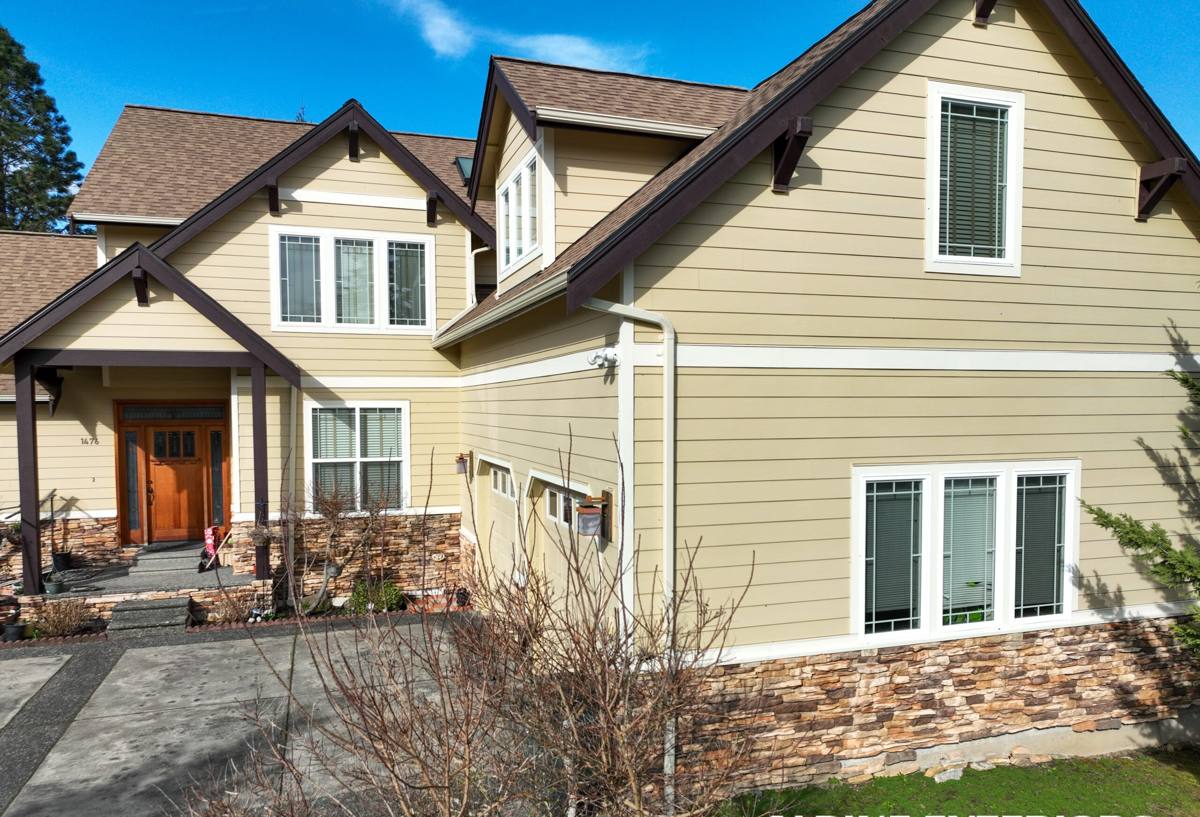
Why Storms Hit Roofs Differently Here
Whatcom County weather doesn't usually bring the kind of catastrophic hail or tornado damage you'd see in other parts of the country. The damage here is quieter and easier to miss. A few patterns show up again and again on roofs around Sudden Valley:
Wind-Driven Rain
Storms coming off the water tend to push rain nearly horizontal for hours at a time. Roofing that's fine in a normal vertical rain can leak under that kind of pressure, especially at flashing points, ridge caps, and anywhere shingles have started to lift at the edges. A gap that's invisible in dry weather becomes an active leak the moment wind pushes water uphill under the shingle.
Falling Limbs and Debris
Sudden Valley's tree cover is part of what makes the area desirable, but it also means storm winds routinely bring down branches — sometimes large ones — onto roofs. The damage isn't always a dramatic puncture. Often it's cracked or displaced shingles, dented flashing, or a compromised ridge that won't show up as a leak until the next rain finds it.
Extended Moss and Moisture Season
The Pacific Northwest's long wet season means roofs here stay damp for months at a time, especially on north-facing slopes and under tree canopy. Moss and moisture don't cause storm damage directly, but they weaken the roof surface underneath — lifting shingle edges, holding water against fasteners, and rotting decking — so storm damage that would be minor on a dry, well-maintained roof becomes a real problem on a roof that's already compromised by moss growth.
Signs Your Roof Took Storm Damage
Some storm damage is obvious. A lot of it isn't. Here's what we tell Sudden Valley homeowners to check after a significant wind or rain event:
- Shingles that look lifted, curled, or missing granules in patches (not evenly across the roof)
- Visible gaps or displacement around vents, chimneys, and skylights
- Fresh dents or creases in metal flashing, gutters, or vent caps
- Debris caught on the roof — even small branches can indicate impact points worth checking
- Granules collecting in gutters or at downspout outlets after a storm
- New or worsening water stains on interior ceilings, especially near exterior walls
- Soft or spongy spots when the roof is walked (a sign water has reached the decking)
- Moss that's suddenly thicker or displaced after wind, which can mean shingle movement underneath
If you're seeing more than one of these, it's worth having someone look before the next storm system arrives — small storm damage left alone tends to become a decking or interior repair.
What an Honest Storm Damage Inspection Looks Like
A real storm damage assessment isn't a five-minute look from the ground. It involves getting on the roof (weather permitting) and checking the parts of the system that actually fail during storms — not just the shingles themselves.
What We Check
Flashing at every penetration and transition, ridge and hip caps, fastener condition on shingles near the edges and ridge, the state of the underlayment where shingles have lifted, gutter and downspout attachment, and any soft spots in the decking underneath. We also look at moss coverage and drainage patterns, because a roof that holds water longer is a roof where storm damage compounds faster.
What We Document
Photos of the damage, a plain-language explanation of what's actually wrong and why, and a written scope of what repair is needed. If the damage is significant enough that an insurance claim makes sense, that documentation is what your adjuster needs to see — not a vague verbal description.
Repair vs. Replacement: How We Make the Call
Not every storm-damaged roof needs to be replaced, and we're not going to tell you it does. The honest answer depends on the age and condition of the roof before the storm, how widespread the damage is, and whether the underlying decking is still sound.
| Factor | Repair Usually Makes Sense | Replacement Usually Makes Sense |
|---|---|---|
| Roof age | Under 12-15 years, otherwise in good shape | Nearing or past expected shingle lifespan |
| Extent of damage | Localized to one slope or a few areas | Widespread across multiple slopes |
| Decking condition | Solid, no rot or soft spots found | Soft, delaminated, or water-damaged decking |
| Moss/moisture history | Managed, minimal prior damage | Long-term moss buildup already degrading the surface |
| Matching materials | Shingle color/style still available | Discontinued product, visible patch mismatch |
We'll walk you through where your roof lands on that table before recommending anything. A repair that's done right, on a roof that's otherwise sound, can add years of service life for a fraction of replacement cost.
What a Correct Storm Damage Repair Involves
The difference between a repair that lasts and one that fails again in the next storm usually comes down to a handful of details that are easy to skip if you're moving fast.
Matching the Repair to the Roof System
Shingles, underlayment, and flashing all need to be compatible with what's already on the roof, both in material and in how they're tied into the existing system. A patch that isn't properly woven into surrounding courses is a future leak point, even if it looks fine on day one.
Checking (and Fixing) the Decking
If water got past the shingles during the storm, the decking underneath needs to be checked before new material goes down. Covering damaged decking with new shingles just hides the problem — it doesn't fix it.
Rebuilding Flashing, Not Just Caulking It
Flashing failures are one of the most common sources of storm leaks. A short-term fix is to caulk over a gap; a correct fix is to re-lay or replace the flashing so water sheds the way it's supposed to, with sealant used as a secondary barrier, not the primary defense.
Addressing the Moss and Drainage Issue, Not Just the Storm Damage
If moss or poor drainage contributed to the damage, a repair that ignores that will have the same problem again next season. Part of a proper storm repair here is clearing growth, improving airflow and drainage where practical, and flagging any ongoing moss management the roof needs.
Our Process, Start to Finish
- Inspection and documentation — full roof assessment, photos, and a written scope of damage.
- Honest recommendation — repair or replacement, explained in plain terms with the reasoning behind it.
- Insurance support if needed — documentation formatted to support a claim, and we'll answer an adjuster's questions about scope.
- Scheduling around weather — storm repairs get prioritized, but we won't rush a job into a window where materials can't be installed correctly.
- The repair itself — decking checked, flashing rebuilt where needed, matching materials installed, site cleaned up when finished.
- Final walk-through — we show you what was done and why, not just an invoice.
Insurance Claims After a Storm
Many storm damage repairs in this area are covered under homeowners insurance, particularly wind and impact damage from falling debris. We're not a public adjuster and won't promise a claim outcome, but we can provide the kind of clear, photo-backed documentation that makes the claims process smoother, and we're glad to answer an adjuster's questions directly about the scope of repair. Gradual damage from long-term moss growth or lack of maintenance typically isn't covered the same way storm-event damage is, which is one more reason it's worth having a professional distinguish between the two before you file.
Why It Matters That We Already Work in Sudden Valley
After a regional storm, it's common to see unfamiliar trucks and door-hangers from crews that follow storm systems from town to town, do quick patch jobs, and move on before winter is over. A crew that's already established in the Sudden Valley and greater Ferndale area has a different incentive: we're going to be here for the follow-up call if something isn't right, and our name is attached to the work in a community where word travels. That also means we already understand the tree cover, drainage patterns, and moss pressure specific to this area — we're not learning the local climate on your roof for the first time.
A Few Things Worth Knowing Before You Call Anyone
- Get a written scope of repair before work starts, not just a verbal estimate
- Ask whether decking will be checked, not just the visible shingle layer
- Confirm the contractor is licensed and carries liability insurance for work in Washington
- Be cautious of anyone pressuring you to sign an insurance assignment on the spot
- A roof that "looks fine" from the ground can still have storm damage worth checking after a major system
If a recent storm has you wondering whether your roof took damage, we're happy to take a look and give you a straight answer — no pressure, no upsell. Fill out the form below for a free estimate and we'll get you scheduled.