 Ferndale
 Windows Built for Sandy Point's Coastline Conditions
Sandy Point sits close to the water, out along the Whatcom County coastline near Ferndale, and that location shapes what a window has to survive here. Salt-laden marine air, wind-driven rain coming straight off the Strait, and a wet season that stretches on long enough to grow moss on north-facing siding all put more stress on a window than you'd see a few miles inland. A window that's a fine choice in a dry, sheltered subdivision can start failing early in a spot like this if it isn't installed with that exposure in mind.
This page is about window installation specifically for that environment — what local homes actually need, what a correct installation looks like, and what to expect when you have it done right.
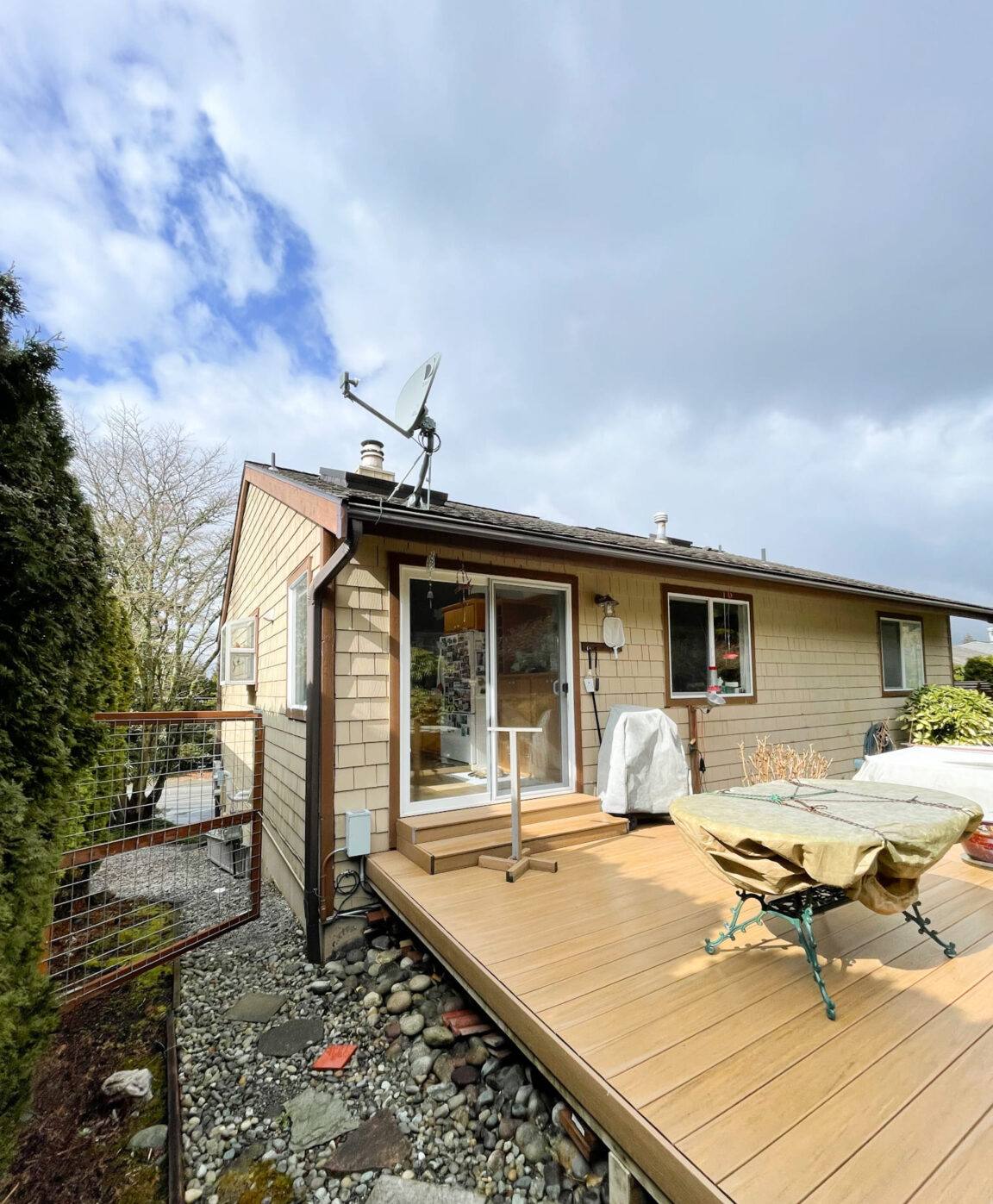
What Salt Air Does to a Window Over Time
Salt air isn't just an inconvenience you wipe off the glass. It's corrosive, and it works slowly and constantly on anything metal.
Frame and Hardware Materials
Bare aluminum frames and lower-grade hardware are where salt exposure shows up first — pitting, corrosion around fasteners, and stiff or seized locks and rollers within a few years. Vinyl and fiberglass frames don't corrode the same way, which is one reason we lean toward them for homes this close to the water. Whatever material you choose, the hardware — hinges, cranks, locks, balance systems — matters as much as the frame. Look for stainless or corrosion-resistant hardware, not just a corrosion-resistant frame with cheap fasteners holding it together.
Finishes and Coatings
Painted or anodized finishes near the coast wear faster than the same finish inland. That's not a reason to avoid them, but it's a reason to ask what warranty coverage actually applies to finish degradation in a marine environment — some manufacturer warranties carve out coastal exposure specifically, and it's worth knowing that before you buy, not after.
Driving Rain and Wind-Driven Water
Rain that falls straight down is easy to shed. Rain that's being pushed sideways by wind off the water is a different problem — it gets forced up under trim, into gaps, and behind cladding that a calm-weather installation might get away with ignoring. Sandy Point gets more of that sideways, wind-driven rain than a sheltered inland lot does, and the installation has to account for it.
Flashing and Sill Pans
The single biggest factor in whether a window leaks isn't the window itself — it's the flashing and water management around it. A sill pan under the rough opening, properly lapped house wrap or weather-resistant barrier, and flashing tape sequenced correctly (bottom to top, so each layer sheds water onto the one below it) are what actually keep wind-driven rain out of the wall cavity. Skip or shortcut this step and even an expensive window will eventually leak.
Sealant Selection and Placement
Not every exterior sealant is rated for constant damp, salty air, and UV exposure. We use sealants rated for the exposure the window will actually face, and we're deliberate about where sealant belongs and where it doesn't — sealing the wrong joint can trap moisture instead of keeping it out.
Moss Season, Moisture, and Condensation
The long wet season in this part of Whatcom County does more than grow moss on the roof. Persistent humidity and slow-drying wood trim around older windows create the conditions for rot and mildew if the installation doesn't manage water properly. A correctly installed window sheds bulk water away from the wall, doesn't trap moisture behind trim, and doesn't create a cold spot where interior humidity condenses on the frame all winter. If you've noticed fogging between panes, soft trim, or a musty smell near a window, that's usually a sign the water management — not the glass — has failed.
What a Correct Window Installation Actually Involves
A lot of what separates a window that lasts fifteen years from one that lasts thirty happens in steps a homeowner never sees once the trim is back on. A correct installation includes:
- Removing the old window and inspecting the rough opening and framing for rot, soft wood, or prior water damage before anything new goes in
- Repairing or replacing damaged framing rather than sealing over it
- Installing a sill pan flashing at the base of the opening
- Properly lapping house wrap and flashing tape so water sheds outward and downward at every layer
- Setting the window plumb, level, and square, then shimming and fastening per manufacturer specs
- Insulating the gap between the frame and rough opening without over-packing it, which can bow the frame
- Sealing the interior and exterior appropriately, using sealant rated for the exposure
- Reinstalling or replacing exterior trim so it sheds water rather than channeling it toward the frame
Any one of those steps done carelessly can undercut an otherwise good window.
Choosing the Right Frame Material for a Sandy Point Home
There's no single "best" window material — the right choice depends on your home's exposure, your maintenance appetite, and your budget. Here's how the common options compare for a home dealing with salt air and driving rain:
| Material | Salt Air / Corrosion Resistance | Maintenance | Typical Lifespan |
|---|---|---|---|
| Vinyl | Very good — won't corrode or rust | Low; occasional cleaning | 20–30 years |
| Fiberglass | Excellent — stable and corrosion-resistant | Low | 30+ years |
| Wood (unclad) | Poor without diligent upkeep near salt air and moisture | High — regular painting/sealing | Varies widely with maintenance |
| Wood-clad (vinyl or aluminum exterior) | Good on the exterior face; interior wood still needs care | Moderate | 20–30 years |
| Bare Aluminum | Weak — prone to pitting and corrosion in marine air | Moderate to high | Shortened by coastal exposure |
We don't tie every job to one manufacturer. Instead we walk through this trade-off list with you and match a window line to your home's actual exposure, not just to whatever's cheapest on the showroom floor.
Our Installation Process
The process is straightforward, but we don't skip steps to save a day:
- On-site assessment — we look at the existing windows, framing condition, and how exposed each elevation of the house is to wind and rain.
- Product selection — we go over material, glass package, and hardware options based on that exposure and your budget.
- Written estimate — a clear scope and price before any work starts, no surprise add-ons hidden in fine print.
- Removal and inspection — old windows come out, and we check the rough opening for hidden rot or water damage before installing anything new.
- Installation — flashing, sill pans, air sealing, and the window itself, set and fastened to manufacturer spec.
- Trim and finish work — exterior trim reinstalled or replaced so it continues to shed water correctly.
- Final walkthrough — we test operation, check the seal, and go over care and warranty coverage with you.
Cost Factors to Expect
We won't quote a number without seeing the job, but a few things consistently move the price up or down:
| Factor | Why It Matters |
|---|---|
| Full-frame vs. insert replacement | Full-frame replaces everything down to the rough opening and costs more but is often necessary where framing or flashing has failed; insert replacement reuses the existing frame and is cheaper where that frame is sound. |
| Window size and quantity | Larger openings and whole-house replacements have more material and labor per window than a single small unit. |
| Frame material | Fiberglass generally costs more upfront than vinyl; wood and wood-clad cost more still. |
| Glass package | Upgraded glass (impact resistance, additional low-E coatings) adds cost but can matter more on exposed, water-facing elevations. |
| Hidden damage | Rot or water damage discovered once old windows come out adds repair scope that couldn't be priced sight-unseen. |
| Access and trim complexity | Second-story windows, unusual shapes, or elaborate trim details add labor time. |
Why Hire a Crew That Already Works Sandy Point
Water management around a window isn't something you can eyeball the same way everywhere. A crew that regularly works this stretch of coastline already knows which elevations tend to take the worst of the wind-driven rain, how far salt exposure typically extends inland from the water, and what condition older flashing and trim tend to be in on homes of a certain age out here. That's not something you get from a general handyman doing one window a year — it comes from repetition in this specific climate.
It also matters for warranty follow-through. If a seal ever needs attention or a sill needs a look after a hard winter storm, you want a local crew that's still around and familiar with your home, not a traveling install team that's moved on to the next county.
If you're planning window replacement or new installation for a home in Sandy Point or elsewhere around Ferndale, we're happy to take a look and walk you through your options. The estimate is free, there's no pressure to sign anything on the spot, and you'll get a straight answer about what your home actually needs — use the form below to get started.