 Ferndale
 Windows Built for the Sudden Valley Climate
Homes around Sudden Valley sit close to Lake Whatcom, tucked against tree cover that keeps things shaded, cool, and often damp for much of the year. That's part of what makes the area beautiful, and part of what makes window installation there different from a straightforward in-town job. Between the lake-effect humidity, the shade from surrounding timber, and the driving rain that Whatcom County sees through fall and winter, windows here take on moisture stress that a drier, more open lot simply doesn't face.
We install windows throughout the Ferndale area, and Sudden Valley is one of the neighborhoods where we pay closest attention to how a window is flashed and sealed — not just what brand or style it is. A quality window with a sloppy install will fail faster here than a mid-grade window installed correctly. That's the part of the job that actually matters for a house in this setting.
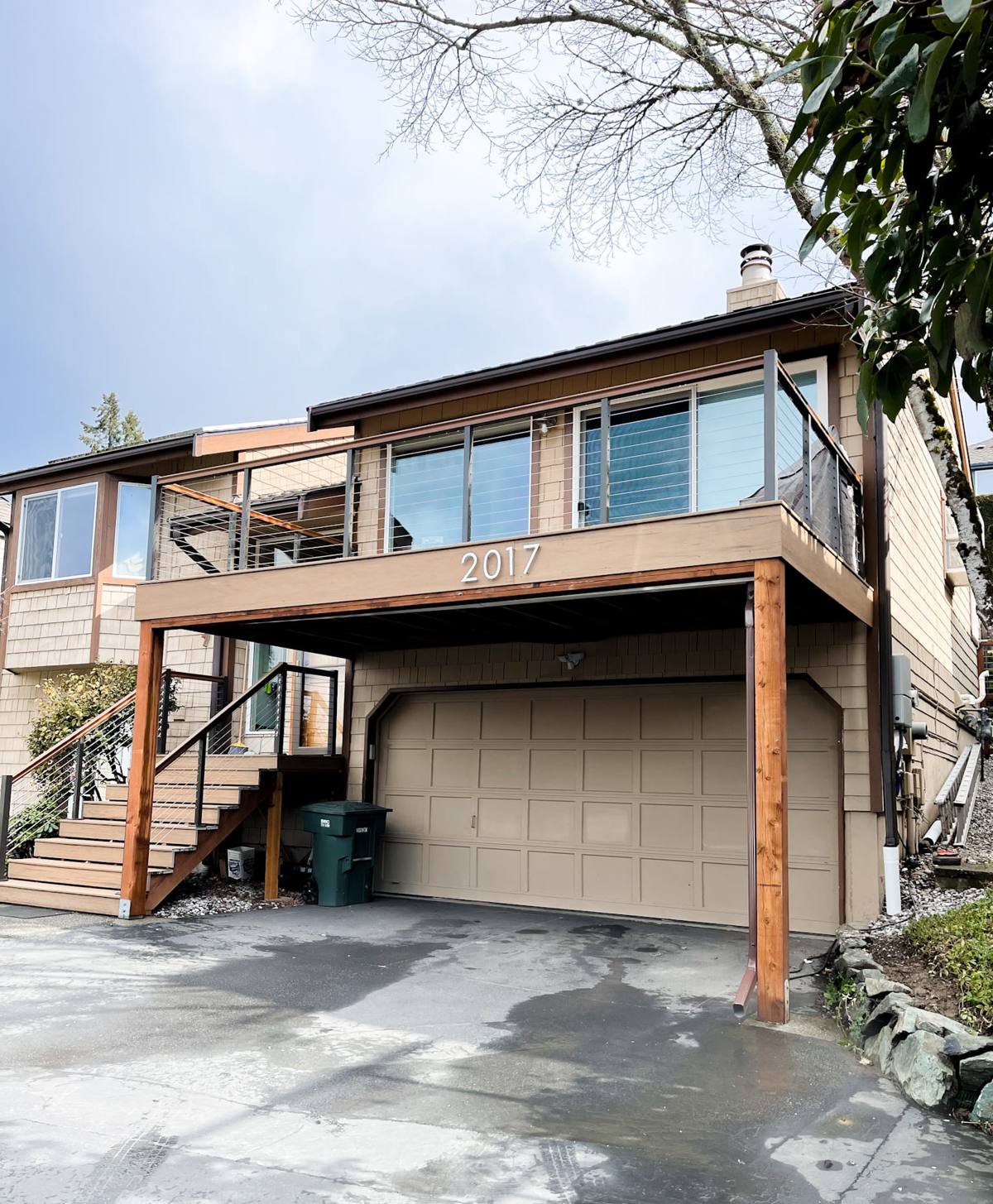
Why Sudden Valley Homes Are Harder on Windows
Shade and Moisture
Tree-shaded lots dry out slower after rain. Wood trim, sills, and even vinyl frames stay damp longer than they would on a sun-exposed lot, which gives moisture more time to work into any gap in the seal. Over years, that's how you end up with soft sills, fogged double-pane glass, or stained drywall below a window that looks fine from the outside.
Moss and Organic Buildup
The same shade and moisture that's tough on siding is tough on window sills and tracks. Moss and algae hold water against the frame longer than bare wood or vinyl would on its own, which accelerates rot and finish breakdown at exactly the points — sills, corners, bottom corners of the frame — where a window is most likely to leak.
Driving Rain and Wind
Whatcom County storms don't always come straight down. Wind-driven rain pushes water sideways and upward against a window, testing the flashing and sealant in ways a calm rain never will. A window that's only sealed against vertical rain will leak the first time weather comes in at an angle, which around here is often.
What a Correct Window Installation Actually Involves
A window install is judged on what you can't see once it's done. The visible trim and caulk line are the last five percent of the job. The first ninety-five percent is the part that keeps water out of your wall framing for the next twenty-plus years.
- Remove the old window and inspect the rough opening for existing rot, soft framing, or prior water damage before anything new goes in
- Repair or replace any compromised framing — never install a new window into a damaged opening and hope the new seal covers it
- Install a properly lapped weather-resistant barrier and sill pan flashing so any water that does get past the window sheds outward, not into the wall
- Set the window plumb, level, and square, then shim and fasten per the manufacturer's specifications — this affects how the sashes operate for the life of the window, not just how it looks on day one
- Apply flashing tape at the head and jambs in the correct shingle-lap order so each layer directs water over the one below it
- Insulate the gap between the frame and rough opening without overpacking, which can bow the frame and cause operating problems
- Seal and caulk the exterior with a product rated for our climate, and finish interior trim cleanly
Skip or rush any one of these steps and the window can still look great for a year or two before problems show up. That lag is exactly why a poor install is so easy for the wrong crew to get away with — the homeowner doesn't find out until the damage is already inside the wall.
Signs a Sudden Valley Home May Need New Windows
| What You Notice | What It Usually Means |
|---|---|
| Fogging or haze between panes | The seal on a double-pane unit has failed and moist air has gotten between the glass — not repairable, the sash or unit needs replacing |
| Soft or discolored sill or trim | Water has been sitting at that point long enough to start breaking down wood — worth checking the framing behind it before it spreads |
| Drafts even when the window is latched | Weatherstripping has worn out or the frame has shifted slightly out of square, both common in older installs |
| Window is hard to open, close, or lock | Frame movement, swollen wood, or hardware wear — sometimes fixable, sometimes a sign the unit is past its useful life |
| Visible moss or algae on the sill or frame | Consistent moisture exposure typical of shaded lots — worth a closer look at the seal underneath |
| Noticeably colder near the window in winter | Aging glass, a failed seal, or gaps in the original installation letting outside air through |
Choosing the Right Window for a Shaded, Damp Lot
There's no single "best" window brand for every house — the right choice depends on your home's exposure, your budget, and how much upkeep you want to take on. For homes in shaded, damp settings like Sudden Valley, we generally steer homeowners toward a few honest trade-offs:
Frame Material
Vinyl frames handle sustained moisture without rotting and need very little upkeep, which is a real advantage on a shaded lot. Fiberglass frames cost more but resist expansion and contraction better across temperature swings and hold paint well if you want a specific color. Wood-frame windows look great and can be the right call on some homes, but they require consistent maintenance — repainting, resealing, checking sills — that a shaded, damp lot will demand more often than a sunny one. We'll always tell you honestly what a given frame choice means for your maintenance schedule rather than just upselling the higher-margin option.
Glass Package
Double-pane, low-E glass is the standard baseline for this climate and handles our mild but wet winters well. Triple-pane adds cost and weight for a modest efficiency gain — it's worth discussing if your home is more exposed to wind or you're chasing lower energy bills, but it's not a must for every Sudden Valley home.
Operating Style
Casement windows seal tighter against wind-driven rain because the sash presses into the frame as it closes, which is worth considering on more exposed sides of the house. Double-hung windows are easier to clean from inside and remain the most common style for good reason — they work fine here as long as the install is done right.
Our Process for Sudden Valley Projects
- On-site assessment. We look at your current windows, check for existing moisture or framing issues, and talk through what your home's exposure — shade, wind direction, proximity to the lake — means for the job.
- Honest recommendation. We'll tell you which frame and glass options fit your budget and your lot, including where a cheaper option is genuinely fine and where it isn't.
- Written estimate. Clear scope, materials, and price before any work starts — no surprise add-ons once we've opened up the wall.
- Careful removal and opening inspection. We don't install into a compromised opening. If we find rot or damage, we'll show you before repairing it.
- Installation to manufacturer spec. Proper flashing, sealing, and fastening, done in the order that actually keeps water out — not just what's fastest.
- Walkthrough and cleanup. We show you the finished work, confirm every window operates correctly, and leave the site clean.
Why Local Experience in This Neighborhood Matters
A crew that only works dry, open lots in town can get away with installation shortcuts for years before a leak shows up. A crew that regularly works shaded, lake-adjacent properties like Sudden Valley doesn't get that luxury — sloppy flashing shows up in one or two wet seasons, not ten. That's exactly why experience in this specific setting matters more than experience in general.
We know to check framing more carefully on north- and shade-facing walls, to expect moss and organic buildup at sills that a sunnier lot wouldn't see, and to flash for wind-driven rain rather than just vertical rainfall. None of that is exotic knowledge — it's just what happens when a crew has done enough jobs in this kind of setting to know where the water actually gets in.
What Window Replacement Typically Involves, Cost-Wise
Every home and window package is different, so we won't quote a number without seeing the job, but a few factors consistently drive cost up or down:
- Number and size of openings — more windows and larger units mean more material and labor
- Frame material — vinyl is typically the most budget-friendly, fiberglass and wood cost more
- Existing damage — rotted framing or sills found during removal adds repair work before the new window goes in
- Glass package — standard double-pane low-E versus triple-pane or specialty coatings
- Access and site conditions — second-story openings or tight access around trees and landscaping can add labor time
We'd rather walk your property and give you real numbers than guess over the phone. If your budget is tight, we'll tell you honestly which upgrades matter most for a shaded, damp lot and which ones you can skip without regret.
Get a Free, No-Pressure Estimate
If your windows in Sudden Valley are fogging, drafting, sticking, or just getting old, it's worth having someone take an honest look before winter rain finds the gaps. Fill out the form below and we'll set up a time to walk your property, check your existing windows, and give you a straightforward estimate — no pressure, no upsell, just what your home actually needs.