 Ferndale
 Window Installation Built for the Semiahmoo Waterfront
Semiahmoo sits right where Whatcom County meets the water, and that location is exactly what makes window installation here different from a job ten miles inland. Homes on or near the Semiahmoo shoreline face a steady mix of salt-laden air, wind-driven rain off the Strait, and the long gray stretch of fall through spring when everything outside stays damp. Windows installed with inland assumptions — standard sealant schedules, minimal flashing, hardware rated for average exposure — tend to show their age early out here. Windows installed correctly for this environment don't.
This page covers what actually matters for window installation in Semiahmoo: what the local climate does to windows over time, what a correct installation looks like, how we approach the job, and why local experience isn't just a nice-to-have in this location — it changes the outcome.
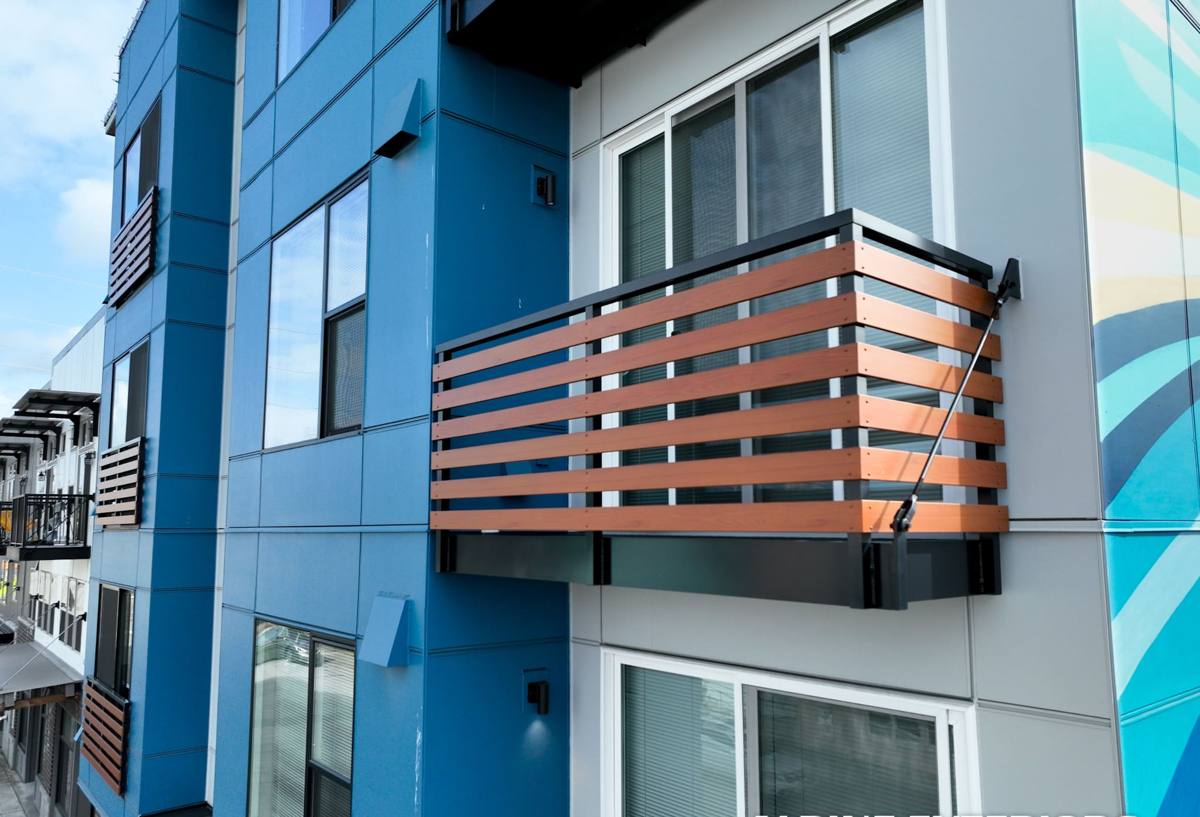
What Salt Air, Driving Rain, and Moss Season Do to Windows
Salt air and hardware corrosion
Airborne salt from the water doesn't just affect boats and railings. It settles on window frames, tracks, and especially hardware — hinges, locks, cranks, and screws — accelerating corrosion compared to the same components a few miles inland. Cheap or mismatched hardware can start sticking, pitting, or seizing years before it should. This is one of the biggest reasons window selection matters more in Semiahmoo than in a typical Whatcom County neighborhood.
Wind-driven rain and water intrusion
Rain here rarely falls straight down. Wind off the water pushes it sideways and up under trim, sills, and poorly lapped flashing. A window that would stay dry in calm rain can still leak in Semiahmoo conditions if the flashing details weren't built for wind-driven exposure. Most of the water damage we find around older windows didn't come through the glass — it came through gaps at the corners, sills, and nailing fins that were never properly sealed or shingled.
Moss, algae, and prolonged dampness
The long moss season in this part of Washington isn't just a roof and gutter issue. On north- and west-facing walls that stay shaded and damp, moss and algae can creep onto sills, trim, and the lower edges of window frames. Beyond looking bad, that constant moisture load keeps wood trim and lesser-quality composite materials wet longer than they're designed to handle, which speeds up rot and paint failure around the window opening.
Signs a Semiahmoo Home Needs Window Attention
- Frames or sills that feel soft, spongy, or show dark staining at the corners
- Hardware that's stiff, gritty, or visibly corroded compared to when the window was new
- Condensation forming between the panes (a failed seal on the insulated glass unit)
- Persistent moss, algae, or green staining building up on sills or lower trim
- Drafts or a noticeable temperature difference near the window on windy, rainy days
- Paint or finish that's peeling or bubbling specifically around the window frame, not the wider wall
- Visible daylight or gaps around the frame where it meets the siding
Any one of these can be minor. Two or three together, especially on a wall that faces the water or prevailing wind, usually means moisture is getting past the original installation and it's worth having someone look before it reaches the framing.
What a Correct Window Installation Actually Involves
Window installation looks simple from the outside — remove old window, set new one, trim it out. In a high-exposure location like Semiahmoo, the difference between a window that lasts and one that fails early almost always comes down to steps that aren't visible once the trim goes back on.
Before the window goes in
- Inspect the rough opening for existing rot, soft framing, or old water damage — and fix it, not cover it
- Confirm the opening is square, level, and properly sized for the replacement window
- Plan flashing so water is always directed outward and downward, never trapped behind the siding
During installation
- Install sill pan flashing so any water that does get past the window drains back outside rather than sitting on the sill
- Lap flashing and building paper or house wrap in the correct shingle-style order — top piece always overlapping the one below
- Use fasteners and hardware rated for coastal or corrosion-prone exposure, not standard-grade
- Seal with the right sealant for the material and location — sealant is not a substitute for correct flashing, it's a backup to it
- Insulate the gap between the window frame and rough opening properly, without overpacking, which can bow the frame
After installation
- Check that the window operates smoothly, locks fully, and closes flush before calling the job done
- Confirm exterior trim and caulking lines are clean and fully sealed against wind-driven rain
- Walk the homeowner through what to watch for and how to maintain the window in this climate
Choosing Window Materials for Coastal Whatcom County
There's no single "best" window material for every home — it depends on exposure, budget, and how the house is built. But in a salt-air, high-moisture location like Semiahmoo, some trade-offs matter more than they would inland.
| Material | How it handles salt air & moisture | Maintenance | Typical trade-off |
|---|---|---|---|
| Vinyl | Won't corrode or rot; performs well in salt air | Low — occasional cleaning | Frame color/style options are more limited than wood or fiberglass |
| Fiberglass | Very stable in temperature swings and moisture; strong corrosion resistance | Low | Higher upfront cost than vinyl |
| Aluminum-clad wood | Good exterior protection if cladding and flashing are done right; interior wood still needs monitoring | Moderate | Cladding seams and end cuts are sensitive points if not installed carefully |
| Bare wood | Most vulnerable to prolonged dampness and salt exposure without diligent upkeep | High — regular repainting/sealing | Best fit for sheltered, non-waterfront exposures rather than direct coastal walls |
We don't push one material on every homeowner. What we do insist on is being honest about which materials handle this specific climate with the least upkeep, and which ones will demand more attention from you over time. On direct-exposure walls near the water, that usually points toward vinyl or fiberglass; on more sheltered elevations, wood-clad options can still make sense.
What Affects the Cost of a Window Installation Job
| Factor | Why it matters |
|---|---|
| Number and size of windows | More openings and larger units mean more material and labor time |
| Retrofit vs. full-frame replacement | Full-frame replacement costs more but allows a complete flashing rebuild — often the right call on older or water-damaged openings |
| Existing rot or framing damage | Hidden rot found once the old window is out adds repair time before the new one can go in |
| Material choice | Vinyl, fiberglass, and wood-clad windows carry different price points and long-term maintenance costs |
| Glass package | Upgraded Low-E coatings or gas fills add cost but improve comfort and reduce condensation risk |
| Access and wall height | Second-story or hard-to-reach windows take more setup time |
We won't quote broad price ranges here that don't reflect your actual home — the honest answer is that it depends heavily on how many windows, what condition the openings are in once we open them up, and what material you choose. That's exactly what a free on-site estimate is for.
Our Process for Semiahmoo Window Installation
- On-site assessment. We look at each window opening, note existing damage, and talk through what you actually need versus what's optional.
- Honest recommendation. We'll tell you which materials and details make sense for your home's exposure, and why — including where a cheaper option is genuinely fine and where it isn't.
- Clear written estimate. No surprise add-ons for flashing or rot repair discovered mid-job — we flag likely issues up front where we can see them.
- Careful removal and opening prep. Old windows come out cleanly, and any rot or damage in the framing gets addressed before anything new goes in.
- Installation to coastal-exposure standards. Sill pan flashing, correct lapping order, appropriate fasteners and sealants — done the same way regardless of whether it's a highly visible front window or one that faces the water.
- Final walkthrough. We check operation, sealing, and trim with you before we consider the job finished.
Why It Matters to Hire a Crew That Already Works Semiahmoo
A window installer who mostly works inland can do a technically fine job and still get details wrong for this location — not from lack of skill, but from not thinking about salt exposure, wind direction off the water, or how long moisture sits on a shaded, damp elevation here. A crew that regularly works Semiahmoo and the surrounding Whatcom County waterfront already knows which elevations take the worst of the wind-driven rain, which hardware holds up against salt air, and where moss and algae tend to build up fastest. That local pattern recognition shows up in small decisions — which side gets extra flashing attention, which hardware grade is worth the upgrade — that add years to how long a window installation lasts.
Keeping New Windows Performing in This Climate
- Rinse or wipe down frames and hardware periodically to reduce salt buildup, especially on water-facing sides
- Keep gutters and downspouts clear so runoff doesn't pool against window trim
- Trim back vegetation that keeps a wall shaded and damp, which encourages moss growth near sills
- Check and refresh exterior caulking lines every year or two, since UV and moisture cycling break sealant down faster here than in drier climates
- Operate locks and cranks a few times through the year even on windows you don't open often, to keep hardware from seizing
If you're weighing window installation for a home in Semiahmoo, we're glad to take a look and give you a straight assessment — what condition your current windows are really in, what would make sense to replace now versus later, and what it would cost. The estimate is free, there's no pressure attached to it, and you can use the form below to get started.