 Ferndale
 Roof Repair Built for Bellingham and Ferndale Weather
If you own a home in Bellingham or Ferndale, you already know the roof over your head works harder than roofs in most of the country. Whatcom County sits right where marine air off the Salish Sea meets near-constant winter rain and a moss season that can run eight months or longer. That combination doesn't just make roofs dirty — it shortens their working life if small problems aren't caught and fixed early. This page covers what roof repair actually means for homes in this area, what a correct repair looks like, and how our process works when you call us out.
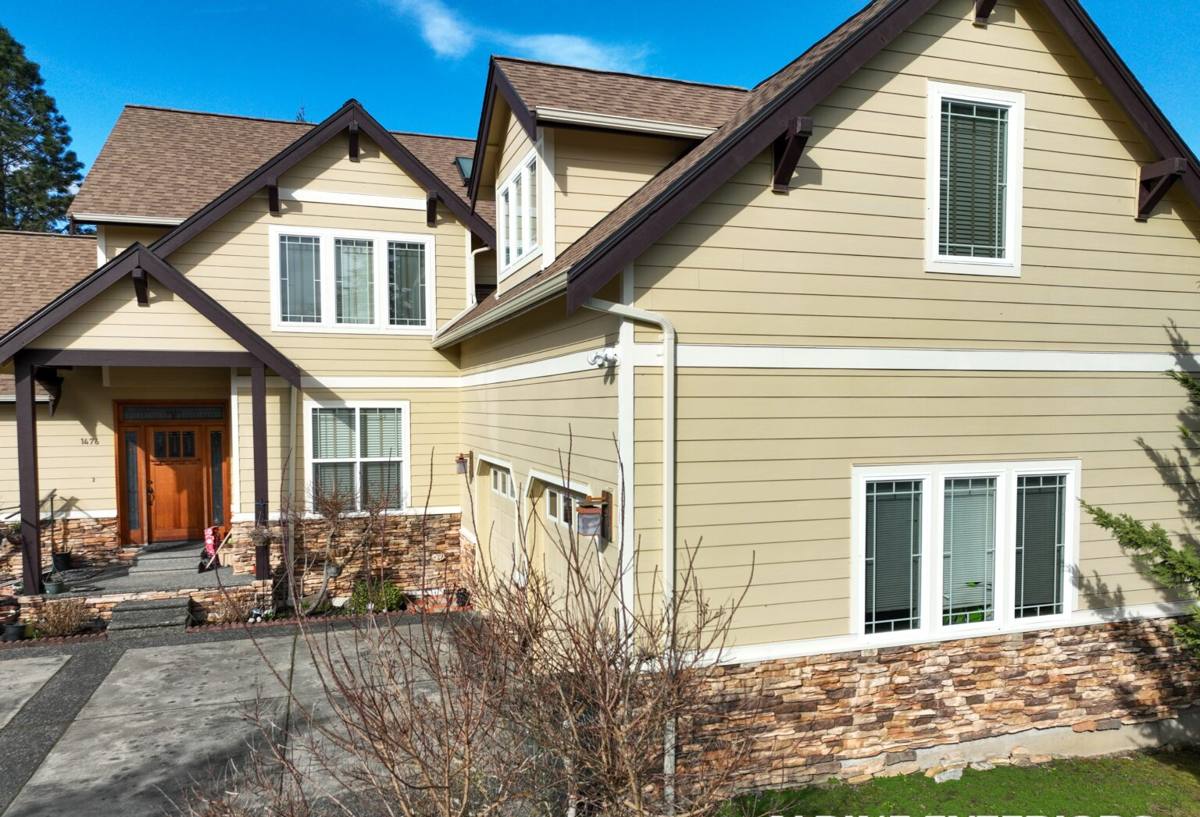
We're a siding and exteriors crew that also handles roof repair, and we treat the two as connected systems, not separate jobs. A leak at a wall-to-roof transition, a rotted fascia board, or moss pushing water under a shingle course almost always shows up as a siding or trim problem before it shows up as a ceiling stain. Working both trades means we catch that earlier than a roofer who never looks past the drip edge.
Why Local Roofs Wear Differently Here
Salt Air and Corrosion
Homes closer to Bellingham Bay and the water get a steady dose of salt-laden air. Over years, that air accelerates corrosion on exposed metal — flashing, nail heads, gutter hangers, and vent caps. A fastener or flashing piece that would hold up for decades inland can start failing years sooner here, and once metal flashing corrodes through, it stops doing its one job: keeping water out of the seams.
Driving Rain
Winter storms off the Sound don't just rain straight down — wind-driven rain gets pushed sideways and upward under laps, into valleys, and around anything that penetrates the roof plane (vents, chimneys, skylights). Repairs that assume water only moves downhill tend to fail here. A roof detail has to account for wind-blown moisture finding its way in from an angle.
The Long Moss Season
Shade, moisture, and mild temperatures mean moss and algae get a long runway to establish on north-facing slopes and anywhere debris collects. Moss isn't just cosmetic — its root structure lifts shingle edges and holds water against the roofing material far longer than open air would. That constant dampness is one of the most common reasons we find rot in decking and fascia during a repair call.
Signs a Bellingham-Area Roof Needs Repair
Most roof problems here start small and stay hidden until they're not. Watch for:
- Granules collecting in gutters or at downspout outlets — a sign shingles are wearing thin
- Dark streaking or thick moss growth, especially on shaded, north-facing slopes
- Soft or spongy spots when walking the roof, or sagging between rafters
- Water stains on interior ceilings, especially near chimneys, skylights, or where a lower roof meets a wall
- Curling, cracked, or missing shingles after a windstorm
- Rust streaks below metal flashing or vent caps
- Daylight visible through the roof deck from inside an attic
- Ice-dam-style water intrusion during a hard freeze-thaw stretch
Any one of these on its own might not be urgent. Two or three together, especially if they've shown up in the last year or two, usually means water has already found a path in.
What a Correct Repair Actually Involves
A roof repair that holds up in this climate is more than swapping a few shingles. Depending on what we find, a proper repair typically includes:
Diagnosing the Real Source
Water rarely shows up directly below where it entered. We trace stains and soft spots back along the roof deck and framing to find the actual entry point before opening anything up — otherwise you end up paying to fix a symptom instead of the cause.
Flashing First
Most leaks we find in this area trace back to flashing, not the shingle field itself — step flashing at wall intersections, counter-flashing at chimneys, and valley metal. Given the salt air and driving rain, we replace corroded or undersized flashing rather than caulking over it. Caulk is a maintenance item, not a repair; it buys time, it doesn't solve the problem.
Matching the Underlayment
Where decking is exposed during a repair, we install self-adhered ice-and-water membrane at vulnerable spots — eaves, valleys, and penetrations — even outside the freeze zones it's named for, because it also seals against the wind-driven rain common here. The rest of the field gets a synthetic underlayment matched to the existing roof system.
Deck Repair When Needed
If moss or a slow leak has been sitting long enough to soften the plywood or plank decking underneath, patch shingles over rotten wood won't hold. We cut back to sound wood and replace the damaged section before re-covering it.
Tying Back Into the Existing Roof
New shingles need to weave into the surrounding courses correctly, with proper overlap and nailing pattern, so the repair doesn't become the next weak point during the next windstorm.
Repair or Replace? Honest Cost Factors
Not every roof problem needs a full replacement, and we won't sell you one if a targeted repair solves it. Here's how we generally think through the decision:
| Situation | Typical Approach | Rough Cost Range |
|---|---|---|
| Isolated flashing failure or a handful of damaged shingles | Targeted repair | $300–$900 |
| Moss-related deck softening in a limited area, or valley/wall-intersection leak | Localized deck repair + reflashing | $800–$2,500 |
| Widespread granule loss, multiple leak points, or roof past two-thirds of its service life | Full or sectional replacement | Full estimate needed on-site |
| Roof under 10–12 years old with one clear failure point | Repair almost always makes sense | Lower end of repair range |
These are broad ranges to help you think through scope, not a quote — actual pricing depends on roof pitch, access, material type, and what we find once we're up there. We'll always tell you plainly if a repair is a short-term patch versus a durable fix, and let you decide with full information.
How Our Process Works
- Inspection: We walk the roof (weather permitting) and check the attic from inside where accessible, looking for the actual water path, not just the visible symptom.
- Written scope and estimate: You get a clear explanation of what's failing, why, and what it takes to fix it correctly — including whether a repair is enough or replacement is the more honest long-term answer.
- Repair work: We match materials to your existing roof where possible, prioritize flashing and moisture barrier details, and photograph problem areas before closing them back up so you know what was actually found.
- Cleanup and walk-through: Job site cleared of debris and old material; we walk you through what was done and what to watch going forward.
Moss Control: Repair Now, Prevent Later
Fixing moss damage without addressing why moss keeps coming back just means doing the same repair again in a few years. Once active leaks are resolved, keeping moss from re-establishing comes down to a few habits:
- Keep overhanging branches trimmed back so shaded roof sections get more light and airflow
- Clear gutters and valleys of needles and debris at least twice a year — fall and spring are the priority windows here
- Address moss while it's a light coating, not after it's thick enough to be lifting shingle edges
- Check attic ventilation — poor airflow keeps roof decking cool and damp, which favors moss and algae growth from underneath as well as above
A Note on Ventilation
We often find that roofs with recurring moss and moisture problems also have inadequate attic ventilation. Warm, moist air trapped in an attic condenses against a cool roof deck in our winters, adding to the moisture load moss and algae feed on from the underside. If we see this during a repair, we'll flag it — it's usually a modest fix that meaningfully extends the life of everything above it.
Why a Crew That Already Works Bellingham and Ferndale Matters
Roof repair is detail work, and the details that matter change by region. A crew that mostly works drier inland climates may not default to sealing valleys and eaves the way this coastline demands, or may not recognize how far moss can travel from a shaded root system before it's visible from the ground. Working roofs and siding across Whatcom County day to day means we're not guessing at what this climate does to a roof over time — we're seeing it on the next street over, in the next season, on homes built the same era as yours.
There's also a practical side: local availability. A bad windstorm off the Sound can put multiple homes on the same block in need of a tarp and a repair within days of each other. A crew already working this area can usually respond faster than one dispatching from further out, which matters when an active leak is doing damage every day it's left open.
Get a Straight Answer on Your Roof
If you're seeing moss buildup, a stain on a ceiling, or you just want a second opinion before winter storms roll back in off the water, we're happy to take a look. We'll tell you honestly whether you're looking at a targeted repair or something bigger — no pressure either way. Request a free estimate through the form below and we'll get you scheduled.