 Ferndale
 Siding That Has to Work Harder in the Nooksack Area
Homes on the Nooksack side of Ferndale sit in a stretch of Whatcom County that asks more of a siding system than most parts of the country. You've got salt-laden air moving in off Bellingham Bay and the Strait, long stretches of driving rain through fall and winter, and a growing season for moss and algae that barely takes a break. Add in the temperature swings between damp winters and warm, dry summers, and you've got a climate that will find every weak point in a siding installation within a few years, not a few decades.
That's the backdrop for every fiber cement siding job we do in this part of Ferndale. We're not selling siding as a cosmetic upgrade — we're specifying and installing a weather envelope that has to hold up to conditions that are genuinely tougher than what siding manufacturers assume in their generic installation guides.
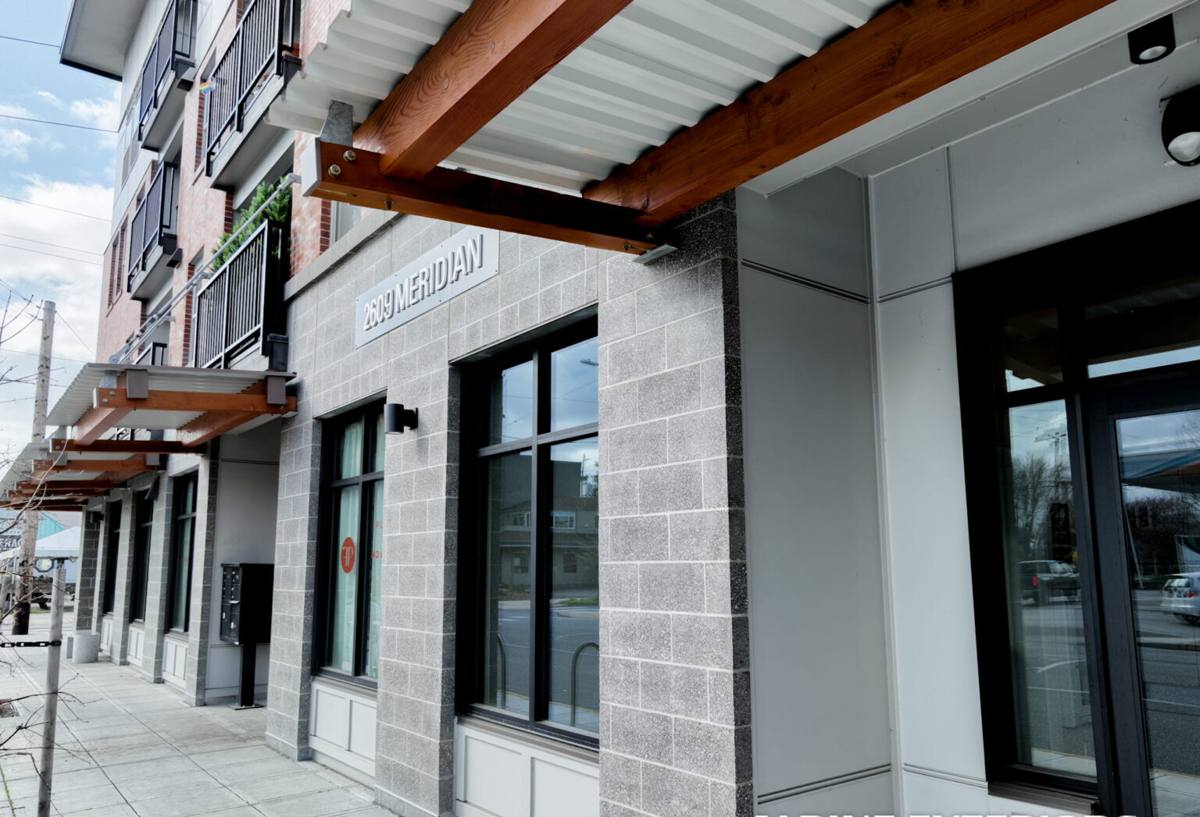
What Nooksack-Area Homes Actually Need From Their Siding
Moisture Management First
Whatcom County's rainfall isn't just frequent — it's often wind-driven, which means water gets pushed sideways into seams, laps, and penetrations that would stay dry in a calmer climate. Any siding installed here needs a real drainage plane behind it, correctly lapped house wrap or weather-resistive barrier, and flashing details at every window, door, and roof intersection. Skip any of that and you're not looking at "if," you're looking at "when" moisture gets behind the cladding.
Resistance to Moss, Algae, and Organic Growth
The shaded, moisture-retentive conditions common on tree-lined and river-adjacent lots near Nooksack are exactly what moss and algae need to take hold on a wall surface. Siding material that absorbs and holds moisture gives organic growth a foothold; siding that sheds water and dries quickly doesn't. This is one of the biggest visible differences homeowners notice a few years in — some sidings stay clean with an occasional wash, others need constant attention or start showing dark streaking and green growth in shaded corners.
Salt Air Tolerance
You don't have to be right on the water to feel the effects of salt air in this part of Whatcom County. Airborne salt accelerates corrosion of fasteners and trim metal, and it can degrade paint finishes on materials that aren't engineered to hold pigment and resist chalking in coastal-adjacent conditions. This is a place where the quality of the factory finish matters as much as the substrate underneath it.
Why We Install James Hardie Fiber Cement — and Only James Hardie
We standardized on James Hardie fiber cement siding for every home we side, including here in the Nooksack area, and we don't install vinyl, LP SmartSide, Cemplank, Allura, primed spruce, or cedar. That's not a marketing position — it's a decision based on what actually holds up to this climate over the long haul.
- Non-combustible core: fiber cement doesn't feed a fire the way wood-based products can, which matters for insurance conversations and peace of mind alike.
- Engineered for Pacific Northwest moisture: Hardie's HZ10 product line is formulated specifically for wetter, harsher climates like ours, rather than a one-size-fits-all national spec.
- Factory-applied ColorPlus finish: baked-on color resists fading, chipping, and the chalking that field-painted or primed products are more prone to in salt-air conditions.
- Dimensionally stable: it doesn't swell, cup, or warp with repeated wet-dry cycles the way wood-based siding can over a Whatcom County winter.
- Backed by a strong transferable warranty when installed to manufacturer specification — which is exactly why installation quality is non-negotiable for us.
We get asked fairly often about cedar, since it has a long history in this region, and about lower-cost options like vinyl or LP SmartSide. Those are legitimate products with their own fan base, but our honest professional judgment, after years of servicing homes in this exact climate, is that fiber cement gives Nooksack-area homeowners the best long-term balance of moisture resistance, low maintenance, and finish durability. We'd rather turn down a job than install something we don't believe will perform here.
What a Correct Installation Actually Involves
Fiber cement siding is only as good as the installation behind it. A rushed or by-the-numbers job on a product this good is how homeowners end up with problems that get blamed on the material when the real issue was the crew.
Before the Siding Goes Up
- Inspection and repair of any existing sheathing or framing damage — common on older Ferndale-area homes that have seen decades of wet winters
- Correct weather-resistive barrier installation, properly lapped shingle-style so water sheds outward, not inward
- Flashing at every window, door, deck ledger, and roof-to-wall intersection — the majority of moisture failures trace back to flashing details, not the siding itself
- Rainscreen or furring strategy where the wall assembly and exposure call for it, to let the wall breathe and dry
During Installation
- Manufacturer-specified fastener type, spacing, and embedment depth — corrosion-resistant fasteners matter more here given salt air exposure
- Correct minimum clearances from grade, roof lines, and decks so the siding never sits in standing water or gets buried by landscaping over time
- Properly caulked and sealed joints at trim and penetrations, using sealants rated for the product and this climate
- Field-cut edges sealed per Hardie spec to prevent moisture wicking into the cut ends of planks
After Installation
- Final inspection of all seams, corners, and penetrations before we consider the job complete
- Walkthrough with the homeowner covering basic care and what to watch for over the first year
Our Process for Nooksack-Area Projects
- On-site assessment: we look at your home's specific exposure — how much wind-driven rain it takes, how much shade and moisture retention it deals with, and the condition of the existing wall assembly.
- Written scope and product selection: we specify the right Hardie product line, profile, and color for your home and exposure, and put it in writing before any work starts.
- Prep and moisture-management work: repair, weather barrier, and flashing work happens before a single piece of siding goes up.
- Installation to manufacturer spec: fastening, clearances, and sealing done to the standard that keeps the warranty valid and the wall performing.
- Final walkthrough: we go over the finished work with you and answer questions about maintenance going forward.
Cost Factors to Understand Before You Budget
Every home is different, and we won't quote a number without seeing the project, but these are the factors that most often move the price on a Nooksack-area fiber cement siding job:
| Factor | Why It Matters Here |
|---|---|
| Existing wall condition | Decades of Whatcom County moisture can mean hidden sheathing or framing repair before siding goes up |
| Home size and complexity | More corners, dormers, and roof intersections mean more flashing detail work, which takes time to do right |
| Product line and profile | HZ10 lines and specialty profiles like board-and-batten cost more than standard lap siding |
| Trim and accessory scope | Full trim, soffit, and fascia replacement alongside siding adds cost but improves the whole system's performance |
| Access and site conditions | Tree cover, tight lot lines, and drainage issues common near Nooksack can add labor time |
Maintenance: What Ownership Actually Looks Like
One of the real advantages of correctly installed James Hardie siding in this climate is how little it asks of you afterward. A periodic rinse to keep moss and organic buildup from taking hold, a visual check of caulking and trim joints once a year, and prompt attention to any impact damage is about the extent of it. Compare that to wood-based products that need repainting or resealing on a recurring cycle, or vinyl that can crack and fade under UV and temperature swings, and the maintenance gap becomes one of the clearest reasons Nooksack-area homeowners choose fiber cement.
- Rinse siding annually, more often on shaded north-facing walls prone to moss
- Inspect caulking at trim, windows, and joints yearly and re-seal as needed
- Keep landscaping and mulch pulled back from bottom courses to avoid trapped moisture
- Address any impact damage or cracked caulk promptly rather than letting water find a way in
- Keep gutters and downspouts clear so roof runoff isn't dumping extra water onto wall sections
Why Hiring a Crew That Already Works This Area Matters
Fiber cement installation isn't complicated in the abstract, but doing it correctly for Whatcom County's specific conditions takes local experience. A crew that mostly installs in drier climates may not default to the flashing details, rainscreen decisions, or fastener choices that matter here. We work in Ferndale and the surrounding Nooksack area regularly enough to know how the wind-driven rain hits different exposures, where moss tends to establish first, and what the existing housing stock in this area typically needs when we open up a wall. That local pattern recognition is part of what keeps a siding job from becoming a callback.
If you're considering fiber cement siding for a home in the Nooksack area of Ferndale, we're happy to take a look and give you a straightforward, no-pressure estimate — just fill out the form below.