 Ferndale
 New-Construction Windows Built for Marietta's Waterfront Climate
Marietta sits close enough to Bellingham Bay and the tideflats that its air behaves differently than a house a few miles inland. Salt-laden moisture rides the wind, driving rain comes in sideways off the water during winter storms, and the shoulder seasons stay damp long enough to grow moss on anything that holds water. New-construction windows — the ones installed while a home is still framed and being wrapped, not swapped into an existing opening — only perform as well as the flashing and sequencing around them. Get that wrong on a new build in this micro-climate, and you're looking at rot, stained siding, or fogged glass within a few winters, not decades down the road.
This page covers what new-construction window installation actually requires for a Marietta home, what a correct job looks like step by step, and why it matters to hire a crew that already understands how this stretch of Whatcom County behaves in a storm.
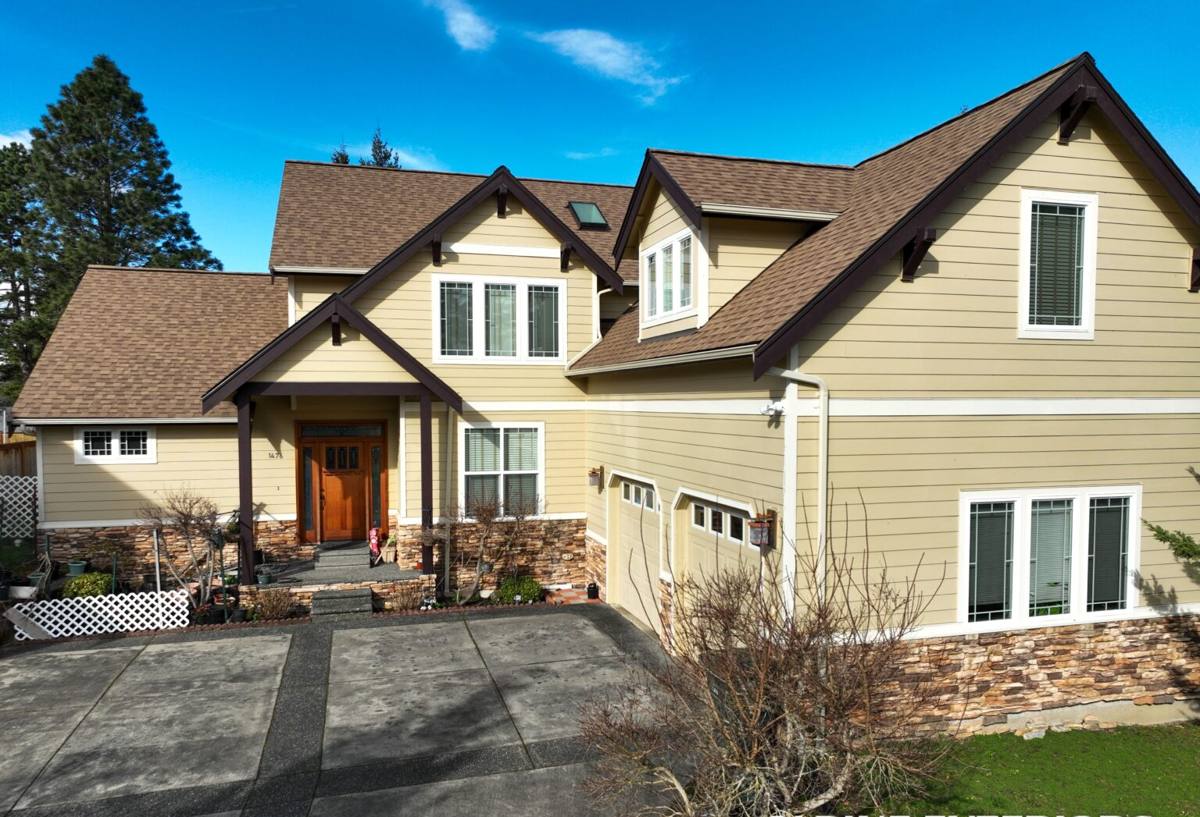
What Salt Air, Driving Rain, and Moss Season Demand From New Windows
Salt air and hardware corrosion
Homes closer to the water deal with airborne salt settling on window hardware, fasteners, and metal flashing. Over years, that accelerates corrosion on anything that isn't rated for coastal exposure — cheap fasteners rust, aluminum trim pits, and hinges or locks bind up faster than they would a few miles inland. New construction is the one chance to spec corrosion-resistant fasteners and flashing metals before they're buried behind siding, because fixing it later means tearing back finished exterior work.
Wind-driven rain and flashing
Marietta's exposure means rain doesn't just fall straight down — storms push it horizontally against the wall plane, right where the window meets the rough opening. A window itself is rarely the leak point; the flashing detail around it is. If water gets behind the housewrap at the head or jamb during a driving rain event, it travels downward inside the wall cavity, often surfacing as a stain or soft spot nowhere near the actual gap.
Moss season and moisture cycling
Whatcom County's long wet season keeps north- and shade-facing walls damp for months at a stretch. That constant moisture cycling is what feeds moss and mildew, and it's also what turns a small flashing mistake into a slow, hidden rot problem — because the wall assembly never fully dries out between rain events to give a minor leak a chance to self-correct.
What a Correct New-Construction Window Installation Involves
Sill pan first, always
Every opening should get a sloped sill pan flashing before the window ever goes in. It's a small, cheap step that gives any water that does get past the window a way back out instead of soaking into the framing below. Skipping it is one of the most common shortcuts we see corrected on inspection.
Shingle-style flashing sequence
Flashing has to be layered so each piece sheds water onto the layer below it, like shingles on a roof — sill pan, then the window's nailing fin, then jamb flashing, then head flashing, each lapping over the one before. Reverse that order anywhere and you've built a funnel instead of a barrier.
Integrating with the weather-resistive barrier
The housewrap or building paper has to tie into the window flashing correctly, not just get taped over it. On a new build, this is done before siding goes on, which is exactly why coordinating the window install with the siding crew — rather than treating them as two unrelated trades — closes the gap where most leaks actually start.
Shimming, fastening, and sealant
Windows need to be shimmed plumb, level, and square before fastening, with sealant used at the right points — not as a substitute for proper flashing, but as a secondary line of defense. Over-sealing a window (caulking the bottom flange, for example) can trap water instead of letting it drain, which is a mistake even experienced crews make if they're not used to a marine climate.
Frame Material Comparison for Marietta's Marine Exposure
Frame material affects how a window handles salt air, moisture, and years of wet-dry cycling. Here's how the common options compare for a new build in this area:
| Frame Material | Salt Air / Corrosion | Moisture Behavior | Maintenance |
|---|---|---|---|
| Vinyl | Doesn't corrode; hardware is the weak point | Won't rot; seals can degrade over time | Low — occasional cleaning |
| Fiberglass | Very resistant; stable in salt exposure | Excellent — minimal expansion/contraction | Low |
| Aluminum-clad wood | Cladding protects wood, but cut edges and fasteners need care near salt air | Good if sealed correctly; wood core vulnerable if flashing fails | Moderate — watch cladding seams |
| Bare aluminum | Prone to pitting and corrosion near the water over time | Conducts moisture and cold; condensation-prone | Higher |
None of these are wrong choices outright — the trade-off is usually upfront cost against long-term maintenance. Our standard is to steer new builds in this area away from bare aluminum specifically because of how it ages near the water, not because it's a bad product everywhere.
How We Sequence Windows With New Construction Siding
On a new build, timing matters as much as technique. Here's roughly how it goes:
- Rough opening check — confirming openings are framed square and to size before anything is installed.
- Sill pan and flashing prep — done before the window is set, not after.
- Window installation — set, shimmed, and fastened per manufacturer spec.
- Flashing tie-in with the WRB — head, jamb, and sill flashing integrated with the housewrap so the whole wall plane drains as one system.
- Siding install — sequenced so trim and siding lap correctly over the finished flashing, not around it.
Because we install siding as our core trade, we're not handing a "finished" opening off to a separate crew and hoping the details line up. We see the whole wall assembly from sheathing to finished siding, which is where most of these coordination gaps disappear.
Cost Factors for New-Construction Window Installation
Every new build is different, but the main things that move cost on window installation are consistent:
| Factor | Effect on Cost |
|---|---|
| Number and size of openings | Scales roughly with total window count and size |
| Frame material | Vinyl typically lowest; fiberglass and clad-wood run higher |
| Flashing complexity (bay windows, multiple stories, exposed elevations) | Moderate to significant increase per opening |
| Coordination with siding/trim work | Often lower overall when bundled with siding vs. hired separately |
| Energy performance upgrades (better glazing packages) | Modest increase per window, offset over time by efficiency |
We'd rather walk a set of plans and give a real number than throw out a price that doesn't reflect your home's actual openings and elevations.
Common Mistakes We See on New Builds Near the Water
- Sill pans skipped or improvised with tape instead of a proper sloped flashing
- Flashing installed in the wrong order, so water gets directed inward instead of out
- Fasteners and trim hardware not rated for coastal-adjacent exposure
- Sealant used to "fix" a flashing gap instead of correcting the flashing itself
- Window trade and siding trade working from different assumptions about who flashes what
None of these show up on move-in day. They show up two, five, or ten winters later, usually as a stain, a soft spot in siding, or a window that's suddenly hard to operate.
Why a Crew That Already Works Marietta Matters
General flashing principles are the same everywhere, but how aggressively you need to apply them changes with exposure. A crew that's worked homes in Marietta and along the rest of Ferndale's waterfront knows which elevations take the worst of the wind-driven rain, how fast moss establishes on shaded walls here versus a drier inland lot, and where salt exposure actually warrants upgraded hardware versus where it's optional. That judgment comes from having done the work in this specific stretch of Whatcom County, not from a generic install checklist.
It also means fewer surprises during inspection and fewer callbacks. We're not learning the local weather patterns on your project — we're applying what already works on homes like yours nearby.
Questions to Ask Before Your New-Construction Windows Go In
- Who is responsible for the sill pan and flashing — the window installer, the framer, or the siding crew?
- What flashing sequence will be used, and does it lap correctly with the housewrap?
- Are the fasteners and trim hardware rated for a marine/coastal environment?
- What frame material is being used, and how does it hold up to years of moisture cycling?
- Will the same crew handle both the window flashing and the siding tie-in, or is there a handoff between trades?
If you're building or framing a home in Marietta and want the window and siding work handled as one coordinated system instead of two separate trades hoping to line up, we're happy to take a look at your plans. Reach out for a free, no-pressure estimate using the form below.