 Ferndale
 Why Lynden Homes Need Siding Built for This Climate
Lynden sits in one of the wetter corners of a wet state. Between the driving rain that rolls in off the Pacific through Whatcom County and the long stretches of overcast, humid weather that follow it, exterior siding here works harder than it does almost anywhere else in the country. Add in the marine-influenced air that moves through the region and the tree cover and irrigation common around Lynden properties, and you've got a near-constant moisture load on the outside of every home. That combination is exactly what drives the long moss season local homeowners deal with year after year — moss and algae don't just grow on roofs, they take hold on siding too, especially on north-facing walls and anywhere water sits instead of shedding.
Siding that isn't engineered for this kind of exposure shows it fast: swelling at the seams, soft spots where moisture has worked its way behind the boards, paint that fails years ahead of schedule, and a greenish film that keeps coming back no matter how many times it's power-washed off. We install fiber cement siding in Lynden because it's one of the few products that genuinely holds up to this pattern of weather instead of just tolerating it for a few seasons.
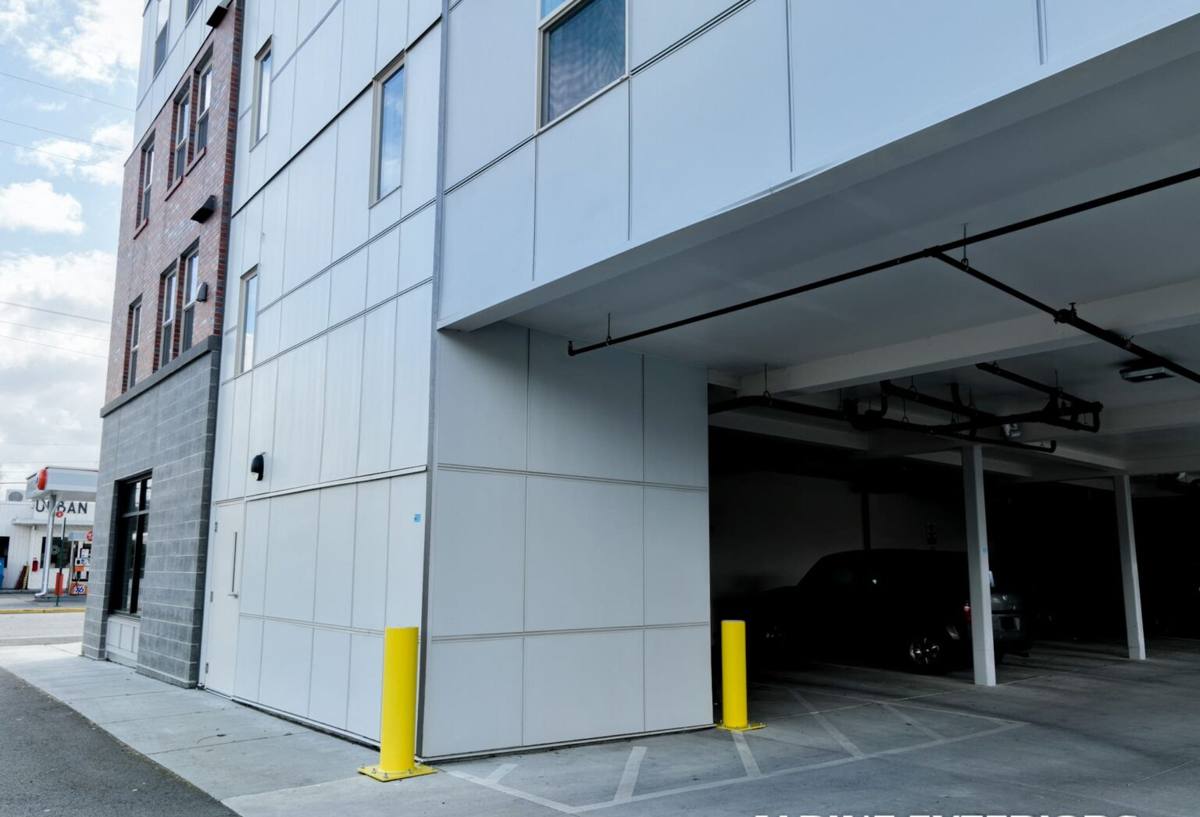
What Correct Fiber Cement Siding Looks Like on a Lynden Home
"Fiber cement siding" isn't one product — it's a category, and the difference between a correct installation and a mediocre one shows up in the details: which profile is used where, how the factory finish is protected, and how water is managed behind the cladding, not just on top of it.
Siding Profiles That Fit the House
Most Lynden homes call for a mix of lap siding for the main wall areas and panel siding for accent zones, gables, or transitions. Lap siding gives the classic horizontal shadow line and sheds water efficiently when installed with the correct exposure and overlap. Panel siding works well for vertical accents or board-and-batten style details without compromising the water-shedding performance of the wall system underneath.
Factory-Applied Finish
Field-painted fiber cement is common but it's not the standard we build to. A factory-baked finish is cured under controlled conditions and bonds to the substrate in a way that job-site painting can't fully match — that matters here specifically, because a coating that's even slightly under-cured is the first thing to fail when it's exposed to weeks of steady Pacific Northwest rain in its first season.
Water Management Behind the Boards
The siding itself is only half the system. Correct installation means a drainable house wrap, properly lapped and taped seams, flashing at every window, door, and roof-to-wall intersection, and a rainscreen gap in situations that call for one. In a climate where the siding is wet more days than it's dry, what happens behind the boards matters as much as what's visible from the street.
Why We Install Only James Hardie Fiber Cement
We standardized this company on James Hardie products and don't install LP SmartSide, vinyl, Cemplank, Allura, or wood siding — not because those products have no merit, but because after years of exterior work in this climate, Hardie's engineering, factory finish, and warranty structure are what we're willing to put our name behind.
Hardie's HZ product lines are engineered specifically around climate exposure — a home in a wet, moss-prone area gets a formulation built for moisture resistance rather than a generic all-climate product. The material itself is non-combustible, which matters increasingly for insurance conversations even in a region not typically thought of as wildfire country. And the ColorPlus finish carries a real factory warranty against fading and peeling, backed by a transferable product warranty that follows the house if it sells — something that carries real weight for homeowners planning to stay in Lynden long-term as well as those who might not.
What a Correct Installation Involves
A fiber cement job is only as good as the parts nobody sees once it's finished. On every project we handle in Lynden, the process includes:
- Full removal of failing siding and inspection of the sheathing underneath for rot or moisture damage before anything new goes up
- Repair or replacement of any compromised sheathing — covering over a soft wall just locks the problem in
- A weather-resistant barrier installed with correct shingle-style lapping, not just stapled up and taped at the seams
- Flashing integrated at windows, doors, decks, and every roof-to-wall transition, not caulk used as a substitute for flashing
- Fastening per James Hardie's published specifications — nail type, spacing, and placement all affect long-term performance and warranty coverage
- Correct joint treatment and sealant at butt joints and trim, using products compatible with the Hardie finish system
- A final inspection walk-through before we consider the job complete
Skipping any one of these steps doesn't usually show up on day one — it shows up two or three wet seasons later, which is exactly why installation quality matters as much as the product choice itself.
Our Process From Estimate to Finished Job
Assessment
We start with a walk-around of the home, looking at current siding condition, moisture entry points, trim and flashing details, and any problem areas specific to the property's exposure — shaded north walls, low clearance to grade, or spots where sprinklers or landscaping keep the wall damp.
Scope and Estimate
We put together a written scope covering tear-off, sheathing repair allowances, the specific Hardie products and profiles recommended, and a straightforward cost breakdown — no vague allowances buried in fine print.
Installation
Work proceeds in sequence: tear-off, sheathing repair, weather barrier, flashing, siding installation, and trim, with attention paid to sequencing around Lynden's weather rather than rushing installation into a wet stretch where it can be avoided.
Final Walkthrough
We walk the finished exterior with the homeowner, check caulking and trim details, and go over care and warranty registration before calling the job done.
Cost Factors for Lynden Fiber Cement Siding Projects
Every home is different, but the same handful of factors drive cost up or down on most Lynden projects:
| Factor | Why It Affects Cost |
|---|---|
| Sheathing condition | Hidden rot from prior water intrusion adds repair scope once old siding comes off |
| Home size and wall complexity | More corners, gables, and trim details mean more labor and cutting |
| Siding profile mix | Combining lap and panel siding for accents costs more than a single uniform profile |
| Existing siding type | Removing old vinyl or wood generally costs less than removing a heavier or layered system |
| Access and site conditions | Tree cover, tight lot lines, or multi-story walls affect staging and labor time |
| Trim and flashing scope | Full flashing replacement at windows and rooflines adds cost but is not optional for a correct install |
We give real numbers during the estimate walk-through rather than a rough guess over the phone, since sheathing condition alone can shift a project's scope significantly once we're able to see behind the old siding.
Signs Your Lynden Home Needs New Siding
Given how much moisture this area sees, it's worth checking these before small problems become structural ones:
- Soft or spongy spots when you press on the siding, especially near the bottom courses
- Paint that's peeling, bubbling, or chalking well ahead of schedule
- Persistent moss, algae, or dark staining that returns shortly after cleaning
- Visible gaps, warping, or boards pulling away from the wall
- Rising energy bills that suggest the wall assembly isn't insulating or sealing the way it should
- Cracked or damaged caulking at seams, corners, and trim
Why Hiring a Crew That Already Works Lynden Matters
A crew that regularly works Lynden and the surrounding Whatcom County area already knows how the local weather pattern behaves through the year, which wall orientations tend to hold moisture longest, and how to sequence a tear-off and re-side around the region's rain rather than getting caught mid-project in a soaked wall assembly. That local familiarity also extends to permitting and inspection expectations, so there are no surprises partway through the job. It's the difference between a crew installing siding the same way they would anywhere in the country, and a crew installing it the way this specific climate demands.
If your Lynden home's siding is showing its age — or you're planning ahead before the next wet season sets in — we're happy to walk the exterior with you and put together a straightforward, no-pressure estimate. Use the form below to get started.