 Ferndale
 Roof Repair Built for Lummi Island's Marine Climate
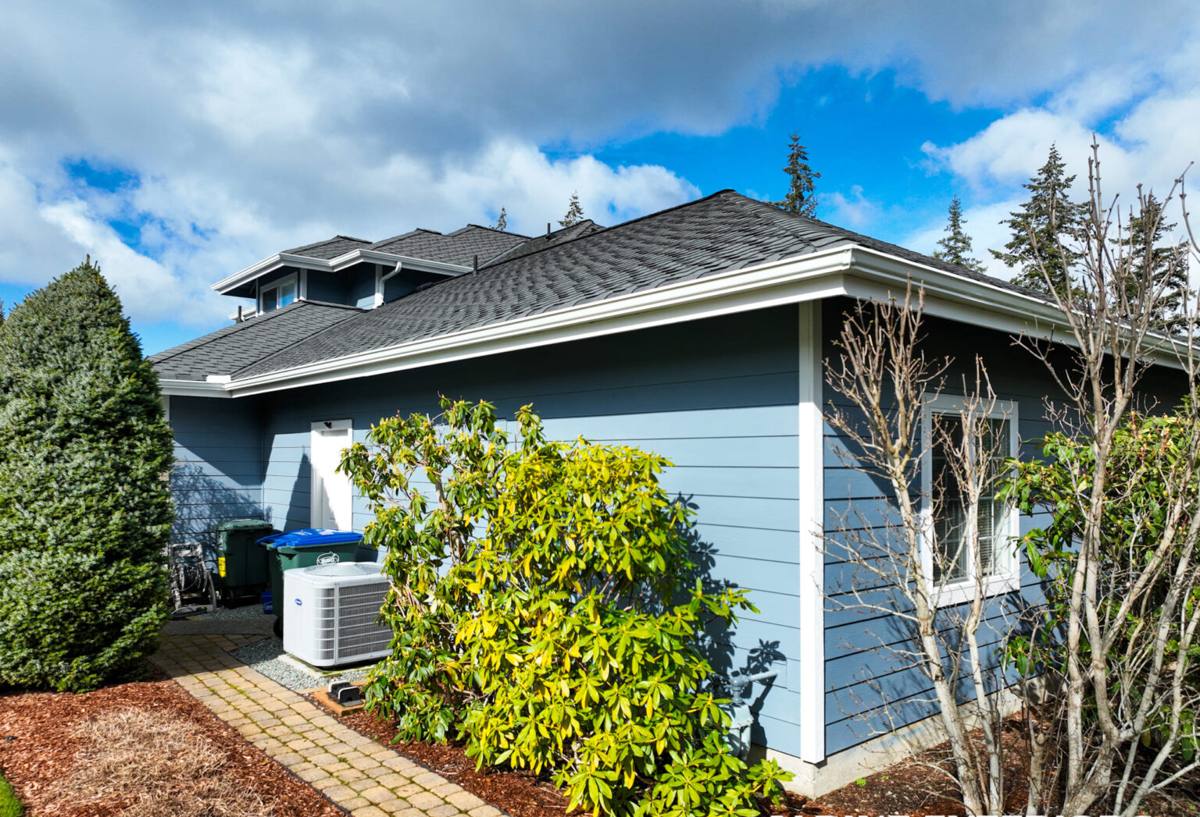
Lummi Island sits out in the salt water of Whatcom County, and that location changes what a roof has to survive. Homes here take on a steady mix of salt-laden air, wind-driven rain off the water, and long stretches of shade and dampness that keep moss and moisture active most of the year. A roof repair that would hold up fine a few miles inland can fail early out here if it isn't matched to island conditions. We do roof repair work across Ferndale and the surrounding Whatcom County area, including Lummi Island, and the approach we use out there is shaped specifically by what the marine environment does to roofing materials over time.
What Salt Air and Driving Rain Actually Do to a Roof
Salt air isn't just an inconvenience — it's a slow, steady corrosive. Combined with the wind-driven rain that comes off the water during storms, it attacks the parts of a roof that homeowners rarely think about until something leaks.
Fasteners, Flashing, and Metal Components
Exposed nail heads, cheap flashing, and lower-grade fasteners corrode faster in a salt-air environment than they would inland. Once a fastener starts to rust, it loses holding power, and once flashing pits or thins, water finds a way underneath it. This is one of the most common root causes we find when we're called out to fix a "mystery leak" — the shingles look fine, but the metal underneath has failed quietly for a year or two first.
Wind-Driven Rain and Edge Details
Rain that comes in sideways behaves differently than rain that falls straight down. It gets pushed up under shingle edges, into ridge caps, and around anything that penetrates the roof deck — vents, chimneys, skylights. Roof edges, valleys, and penetrations that are only "good enough" for calm weather tend to be exactly where island roofs start leaking first.
The Moss Season Problem
Whatcom County's wet, mild climate supports a long moss-growing season, and Lummi Island's tree cover and shaded rooflines make it worse in spots. Moss is not just an appearance issue — it's a mechanical one.
- Moss holds moisture against the roof surface far longer than the surrounding air ever would
- Its root-like structures work into shingle edges and granule layers, gradually lifting them
- Thick moss mats can force water sideways under shingles instead of letting it run off
- Moss removal done wrong (pressure washing, aggressive scraping) can strip granules and shorten the life of the roof faster than the moss itself
A roof repair on Lummi Island almost always has to account for moss, either as the direct cause of the damage or as a contributing factor that made an existing weak point worse.
Signs a Lummi Island Roof Needs Repair
Most roof problems out here don't start with a dramatic leak — they start small and get missed because they're easy to miss from the ground. Here's what we tell homeowners to watch for:
- Moss or dark streaking concentrated on shaded slopes or north-facing sections
- Shingles that look curled, cupped, or lifted at the edges
- Granules collecting in gutters or at the base of downspouts
- Rust staining below flashing, vents, or metal roof edges
- Soft or spongy spots underfoot when walking the roof
- Water stains or discoloration on interior ceilings, especially after a windy rainstorm
- Missing or displaced shingles after a wind event
Any one of these is worth a call. Caught early, most of these are a straightforward repair. Left alone through another wet winter, they tend to turn into deck damage, insulation damage, or interior repairs that cost a lot more than the roof work would have.
What a Correct Repair Actually Involves
A roof repair that's done right isn't just "replace the shingle that's missing." It has to address why that section failed in the first place, or the same spot leaks again in a year.
Inspection First
We start by looking at the full roof, not just the reported problem area. Wind-driven rain and moss both tend to cause damage that spreads — the visible leak is often downhill or downstream from the actual entry point.
Flashing and Underlayment
Where corrosion or wind has compromised flashing around chimneys, vents, skylights, or roof-to-wall transitions, that flashing gets replaced with corrosion-resistant material, not just resealed. Underlayment beneath the affected area gets checked and replaced if it's saturated or degraded — patching shingles over wet underlayment just traps the problem.
Matching Materials
Repairs get matched to the existing roofing material and, where possible, the existing color and profile, so the repair blends in rather than standing out as an obvious patch. If the exact original material isn't available, we'll walk you through the closest honest match rather than guessing.
Moss and Debris Cleanup
Where moss contributed to the damage, we clear it using methods that don't strip granules or damage the shingle surface, and talk through options for slowing regrowth on that section of roof going forward.
Repair vs. Replacement: How We Help You Decide
Not every roof problem needs a full replacement, and not every repair is worth doing if the roof is near the end of its service life. Here's how we walk through that decision with homeowners:
| Factor | Leans Toward Repair | Leans Toward Replacement |
|---|---|---|
| Age of roof | Well within expected lifespan | At or past expected service life |
| Extent of damage | Isolated to one section or penetration | Widespread across multiple slopes |
| Underlayment/deck condition | Dry and sound in affected area | Saturated, soft, or rotted in multiple spots |
| Moss/algae history | First occurrence, manageable | Chronic, recurring damage over several seasons |
| Flashing condition | Localized corrosion or gaps | Corrosion widespread across roof |
We'll always tell you honestly which side of that table your roof falls on. If a repair is the right call, that's what we'll recommend and price — we don't push a replacement a roof doesn't need yet.
General Cost Factors for Roof Repair
Every roof is different, but the things that most affect the price of a repair are the size and location of the damaged area, how steep and accessible the roof is, whether flashing or decking needs replacing in addition to the roofing material, and how much moss or debris removal is involved before the repair itself can start. We'll walk through these specifics during the estimate rather than quoting a number sight unseen.
Our Process for Lummi Island Roof Repair Calls
Working on the island takes a bit more planning than a job on the mainland, and we build that into how we schedule and run the work.
- Initial contact and photos. A quick description of the problem and, if you can, a few photos help us prepare for the visit and bring the right materials the first trip out.
- On-site inspection. We look at the whole roof, not just the trouble spot, and check attic or ceiling areas if there's been any sign of a leak indoors.
- Straight answer and estimate. You get a clear explanation of what's actually wrong, what it will take to fix it correctly, and a written estimate before any work starts.
- Scheduled repair. Because getting equipment and materials to and from the island takes coordination, we schedule island jobs with enough lead time to do the work in one focused visit whenever possible.
- Cleanup and walkthrough. We clear debris, walk you through what was done, and flag anything else worth keeping an eye on.
Why It Matters That We Already Work Out Here
Roofing crews that rarely come out to Lummi Island tend to underestimate two things: how much the salt air and wind exposure accelerate wear compared to a mainland roof of the same age, and how much planning it takes to get materials, tools, and a crew to the island and back efficiently. A crew that already works Ferndale and the surrounding Whatcom County waterfront knows to bring corrosion-resistant fasteners and flashing as the standard, not an upsell, and builds ferry timing and access logistics into the schedule instead of discovering it the day of the job. That familiarity translates into fewer surprises, fewer return trips, and a repair that's built for the conditions your roof actually faces rather than generic mainland conditions.
Maintaining Your Roof Between Repairs
A repair holds up longer when it's not fighting the same conditions that caused the original damage. A few habits make a real difference on Lummi Island roofs specifically:
- Keep gutters and downspouts clear so wind-driven rain has somewhere to go besides under the shingles
- Trim back tree branches that keep sections of roof shaded and damp longer than the rest
- Have moss addressed while it's light growth rather than waiting for a thick mat to form
- Have flashing and fasteners checked every couple of years given the faster corrosion rate near salt water
- Address small leaks the season you notice them — winter storms are unforgiving on anything already weakened
If you're seeing moss buildup, a slow leak, storm damage, or just want an honest read on what shape your roof is in, we're happy to take a look. Fill out the form below for a free, no-pressure estimate — we'll tell you straight what your roof needs and what it doesn't.