 Ferndale
 Deck Replacement for Lummi Island's Marine Climate
Lummi Island sits out in the marine air of Whatcom County, and that changes what a deck has to survive. A deck built to a generic inland spec will show its age here years before the same structure would on a sheltered inland lot. Salt-laden air, near-constant winter rain, and a long moss season all work on wood, fasteners, and finishes at a faster pace than most homeowners expect. If your deck is cupping, spongy underfoot, or growing more moss than it sheds, replacement is usually the honest answer rather than another round of patch repairs.
We build decks for this specific environment — not a generic Pacific Northwest deck, but one detailed for an island exposed to salt spray and driving rain off the water. That means different fastener choices, different flashing details, and different expectations about what "low maintenance" actually means out here.
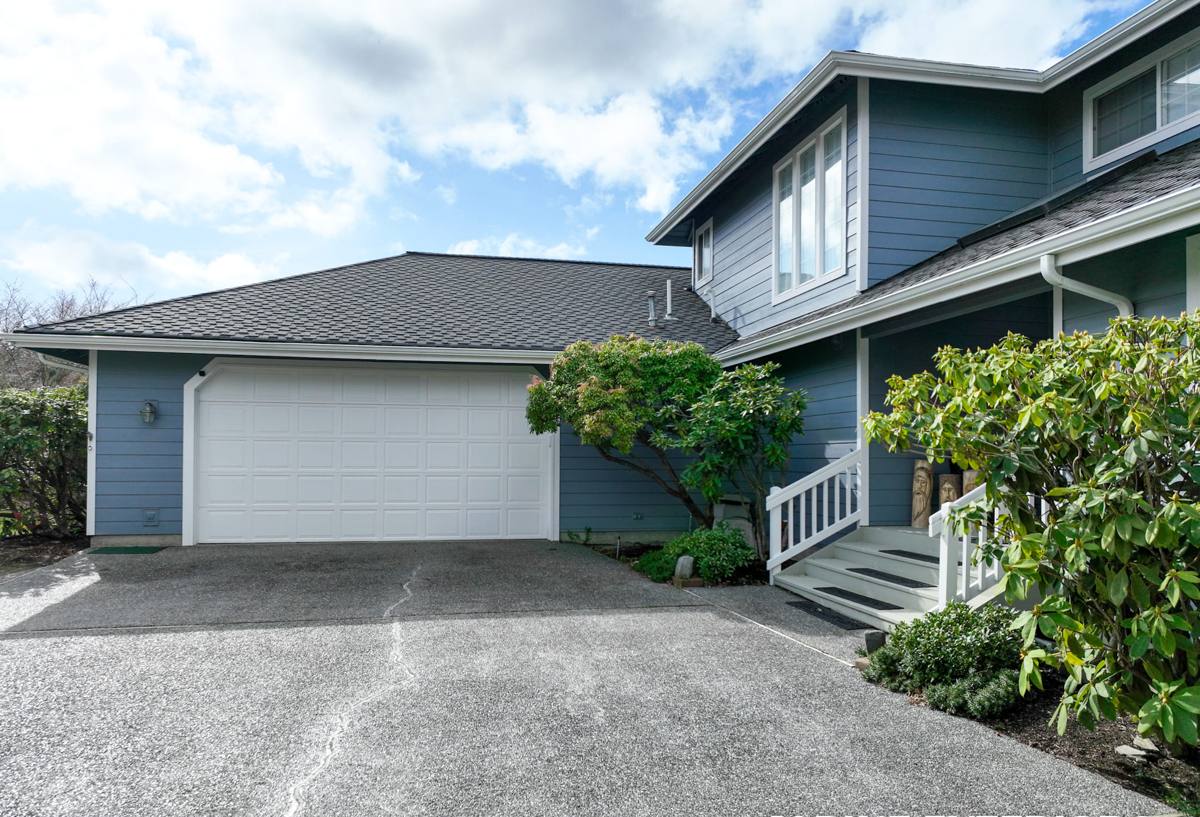
Why Lummi Island Decks Fail Faster Than Inland Decks
Salt Air and Metal
Airborne salt accelerates corrosion on anything metal — nails, screws, joist hangers, and structural connectors. On an inland deck, standard galvanized hardware might last the life of the structure. Close to the water, that same hardware can start rusting and staining within a few seasons, and corroded fasteners are one of the most common hidden causes of deck failure — the wood looks fine on the surface while the connections underneath are quietly weakening.
Driving Rain and End-Grain Exposure
Wind-driven rain doesn't just fall on a deck, it drives sideways into rail posts, stair stringers, and any spot where end grain is exposed. End grain soaks up water many times faster than the face of a board. On an exposed island lot, poorly detailed end cuts and unsealed post bases are where rot typically starts first.
Moss, Shade, and Trapped Moisture
A long, damp moss season means anything that stays shaded and slow to dry — north-facing sections, areas under overhangs, tight board spacing — builds up moss and organic debris that holds moisture against the wood. That constant damp cycle is exactly what feeds rot in framing and decking alike, and it's a big reason board spacing and drainage matter more here than in a drier climate.
Signs Your Deck Needs Replacement, Not Just Repair
- Soft, spongy, or bouncy spots in the decking or framing underneath
- Visible rot at ledger boards, post bases, or stair stringers
- Rust streaking from fasteners or structural hardware
- Persistent moss or algae that returns within weeks of cleaning
- Railings that feel loose or flex more than they should
- Cupped, split, or gapped decking across large sections rather than isolated boards
- A deck more than 15-20 years old that has never had structural connectors inspected or upgraded
A deck with one or two of these issues in isolated spots is often repairable. A deck with several of these signs spread across the structure, especially anything touching the framing or ledger connection, is usually past the point where repair makes financial sense.
Material Comparison for Salt-Air, High-Moisture Exposure
Not every decking and framing option performs the same way this close to the water. Here's how the common choices stack up for an island property with salt air and heavy seasonal rain.
| Material | Salt-Air Performance | Moisture / Moss Behavior | Maintenance |
|---|---|---|---|
| Pressure-treated framing lumber | Good, if fasteners are rated for treated wood | Resists rot when properly flashed and ventilated | Low, but depends entirely on install detailing |
| Cedar decking | Naturally decent rot resistance | Needs regular sealing to shed moisture and slow moss growth | Moderate — periodic cleaning and refinishing |
| Composite decking | Very good — won't rust, corrode, or absorb salt | Sheds water well; still needs cleaning to prevent surface moss/algae | Low — no staining or sealing required |
| Standard PT decking boards | Fair — prone to checking and fastener corrosion over time | Can trap moisture if boards are installed tight | Higher — periodic sealing needed to perform well |
We'll talk through which option fits your budget and how you actually use the deck. Composite costs more up front but trades ongoing maintenance for durability in exactly the conditions Lummi Island sees the most of. Cedar and quality PT framing remain solid choices when detailing and fastener selection are done right — the material matters less than the installation.
What a Correct Deck Replacement Actually Involves
Full Structural Assessment First
Before we talk decking boards, we look at what's under them: the ledger board connection to the house, footings, posts, beams, and joists. In a marine environment, framing failures are more common than surface wear, and any replacement that skips this step is really just a cosmetic refresh sitting on a compromised structure.
Ledger Flashing Done Right
The ledger board — where the deck attaches to your house — is the single most important flashing detail on the entire structure. Water intrusion at the ledger is one of the leading causes of deck failures nationally, and it's worse here given how much rain the area sees. Correct flashing (not just caulk) is non-negotiable on every replacement we do.
Fasteners and Hardware Rated for the Environment
Given the salt air, we spec structural connectors and fasteners rated for corrosion resistance appropriate to a marine-influenced environment, not just standard galvanized hardware. It costs a bit more upfront and saves you from hidden hardware failure down the line.
Footings and Post Bases
Post bases need to keep wood off standing water and allow drainage, not sit in a puddle after every rain. We check footing depth and post base detailing against current code and correct anything that's undersized or improperly set.
Drainage and Board Spacing
Proper gapping between boards lets water and debris pass through instead of pooling. On shaded or north-facing decks especially, we pay close attention to airflow underneath the structure so moisture doesn't just sit and feed moss growth season after season.
Our Process for Lummi Island Projects
- On-site assessment — we look at the full structure, not just the decking surface, and give you an honest read on repair versus replacement.
- Material walkthrough — we go over decking and framing options suited to your exposure, budget, and how you use the space.
- Written estimate — clear scope, materials, and pricing before any work starts, no surprise add-ons.
- Demo and structural correction — old decking, damaged framing, and any compromised hardware come out and get replaced to current standards.
- Ledger, flashing, and connector work — the parts you won't see once the deck is finished, done correctly the first time.
- Decking, railing, and stair installation — finished to spec with attention to fastener placement and board spacing.
- Final walkthrough — we go over the finished deck with you and explain any maintenance specific to the material you chose.
We plan material deliveries and crew scheduling around island logistics, including ferry timing, so your project runs on a realistic timeline instead of guesswork based on a mainland job.
Maintaining a New Deck in This Climate
A properly built deck still needs some seasonal attention in a marine environment. A little consistency goes a long way toward getting the full lifespan out of the investment.
- Rinse salt residue and debris off the surface a few times a year, more often near open water exposure
- Clear moss and organic buildup promptly rather than letting it establish, especially in shaded areas
- Check and clear gaps between boards so water keeps draining freely
- Inspect railing connections and stair stringers annually for looseness or corrosion staining
- Reseal wood decking on the manufacturer's recommended schedule — don't wait until it's visibly weathered
- Keep vegetation trimmed back from the deck perimeter to maintain airflow and sun exposure
Why a Crew That Already Works Lummi Island Matters
Building on the island isn't the same as building on the mainland, logistically. Material deliveries, crew transport, and scheduling all have to account for ferry timing, and a contractor who hasn't planned around that before will either underbid the logistics or let your timeline slip. Beyond scheduling, a crew that's replaced decks on the island repeatedly knows firsthand how fast salt air corrodes standard hardware and how aggressively moss establishes on shaded framing here — that's knowledge you don't get from a spec sheet, only from doing the work in these specific conditions.
As a Ferndale-based siding and exteriors company, we work throughout Whatcom County and treat island jobs as a normal part of our service area, not a special trip. That means straightforward scheduling and a crew that shows up already understanding what this climate demands of a deck.
Getting Started
If your deck is showing its age or you're not sure whether repair or replacement makes more sense, we're glad to take a look and give you a straight answer. Reach out for a free, no-pressure estimate using the form below, and we'll walk the deck, talk through your options, and give you a clear picture of what the job actually involves.