 Ferndale
 Storm Damage Roof Repair Built for Cordata's Climate
Cordata sits inland from the water but still catches the full brunt of what Whatcom County weather delivers: long stretches of driving rain off the Strait, salt-laden air carried in from the coast, and a moss season that can run nine months out of the year in shaded, north-facing roof sections. None of that is dramatic on its own, but stacked together over years, it wears roofs down faster than most homeowners expect. A roof that looks fine from the driveway can already have compromised flashing, saturated underlayment, or moss roots working into the shingle mat.
When wind and rain do enough damage to lift shingles, crack ridge caps, or drive water past a flashing line, the fix needs to match the cause. Patching the visible symptom without addressing the water path underneath just buys a homeowner a second repair bill a year or two later. This page covers what storm damage repair actually involves for homes in and around Cordata, and how we approach it.
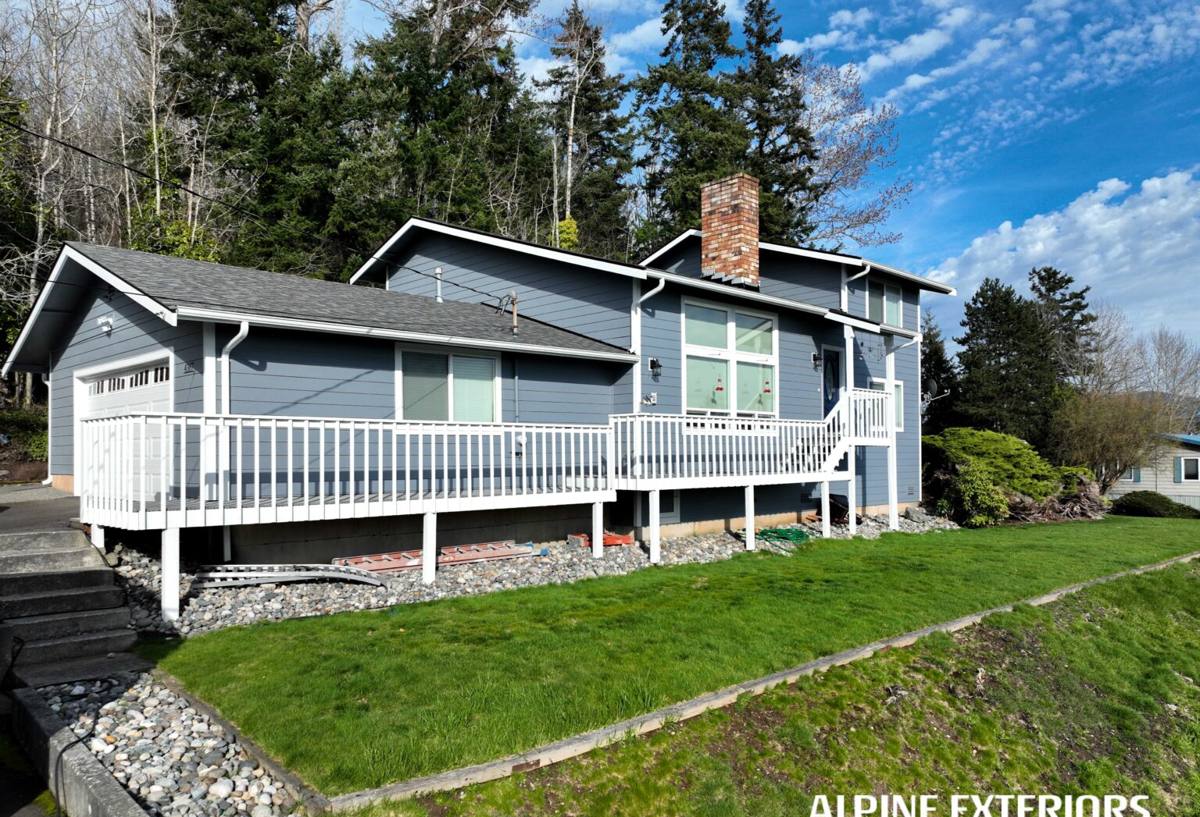
Why Cordata Roofs Take a Different Kind of Beating
Wind-driven rain, not just wind
Storms moving through Whatcom County rarely bring wind alone. The combination of wind and heavy rain is what causes the real damage — rain gets pushed sideways under shingle tabs, into vent flashing, and along ridge lines that would shed water fine in a straight downpour. Storm damage repair here has to account for that lateral water intrusion, not just missing or torn shingles.
Salt air and metal fatigue
Being close enough to Bellingham Bay and the Strait means roofing metal — flashing, drip edge, vent caps, fasteners — ages faster here than it would further inland. Corroded or thinning metal is often the real point of failure after a storm, even when the surrounding shingles look intact. We check flashing condition on every storm inspection, not just the shingles a homeowner can see from the ground.
Moss season and its role in storm damage
Moss doesn't cause a storm to do damage, but it sets a roof up to take worse damage when a storm hits. Moss holds moisture against the shingle surface, lifts shingle edges as it grows, and adds weight in shaded valleys and north-facing slopes — exactly the areas most likely to trap wind-driven rain. A roof with untreated moss going into storm season is more likely to lose shingles and develop leaks than a roof that's been kept clear.
What Counts as Storm Damage (and What Doesn't)
Not every roof issue after a windstorm is storm damage in the insurance or repair sense. Being clear about the difference helps set expectations before we're on the roof.
- Storm damage: lifted or torn shingles from wind uplift, cracked or displaced ridge caps, flashing pulled loose around chimneys or vents, punctures from falling branches, and water staining that appears suddenly after a specific weather event.
- Not storm damage (but often mistaken for it): granule loss from age, moss-related shingle lifting that's been developing for years, and nail pops from original installation error that a storm simply exposed.
We tell homeowners honestly which category their damage falls into. It affects both the right repair approach and, often, whether the repair is a reasonable insurance claim.
What a Correct Storm Damage Repair Involves
1. Ground and roof-level inspection
We start with a visual sweep from the ground — displaced shingles, granules in gutters and downspout runoff, dented vents — then get on the roof itself. Storm damage is frequently worse on the back slope of a roof than the street-facing side, since prevailing wind and rain direction determine where the real intrusion happened.
2. Checking the water path, not just the surface
A torn shingle is the visible symptom. The question that matters is whether water got underneath it, and if so, how far it traveled before it found a gap in the underlayment or a seam in the decking. That can mean pulling surrounding shingles to check the underlayment condition, not just replacing what's obviously broken.
3. Decking assessment where water intrusion is suspected
If water has been getting in for any length of time, the plywood or OSB decking underneath can be softened or delaminated. Any competent repair includes checking for this before new shingles go down — covering soft decking with new roofing just hides a structural problem instead of fixing it.
4. Flashing and ridge repair
Given how often flashing is the actual failure point in wind-driven storms here, we treat flashing repair or replacement as a standard part of the job, not an upsell. Ridge caps get the same scrutiny, since they take direct wind load and are a common point of granule and seal failure.
5. Matching materials and tie-in
Repairs should tie into the existing roof cleanly — matching shingle profile and color as closely as the market allows, and integrating new flashing with the existing roof system rather than layering over it. A visibly mismatched patch is usually a sign the water-path work underneath was skipped too.
Repair vs. Replacement: How We Make That Call
| Factor | Points toward repair | Points toward replacement |
|---|---|---|
| Extent of damage | Isolated to one slope or section | Spread across multiple slopes |
| Roof age | Under 12-15 years, otherwise sound | Nearing or past expected lifespan |
| Decking condition | Dry, solid underneath | Soft, delaminated, or repeatedly repaired |
| Moss/organic buildup | Light, treatable | Heavy, long-term, root penetration into mat |
| Prior repair history | First storm event | Multiple past patches in same area |
We'd rather do an honest repair on a roof that has years left in it than push a replacement it doesn't need. We're equally direct when a roof has taken enough storm and moss damage over time that another patch isn't a good use of money.
Our Process for Cordata Storm Calls
- Contact and scheduling — we prioritize active leaks and exposed decking over cosmetic damage when scheduling after a storm event.
- On-site inspection — ground and roof-level assessment, photos of findings, and a plain-language explanation of what we found.
- Written scope and estimate — what needs to happen, in what order, and why — including anything we'd flag for an insurance claim.
- Repair — tear-off of damaged material, decking check and repair as needed, flashing work, and matched shingle or ridge replacement.
- Final walkthrough — we review the completed repair with the homeowner before considering the job done.
A Practical Checklist After a Storm
- Check downspouts and gutters for excess granule buildup after a storm — a sign of shingle wear or damage.
- Look for shingle pieces or ridge cap fragments in the yard or driveway.
- Note any new water stains on interior ceilings, especially near chimneys, skylights, or roof valleys.
- Check attic space (if accessible and safe) for daylight, dampness, or musty odor after heavy rain.
- Avoid climbing onto the roof yourself — storm-damaged roofs can have hidden soft spots or unstable flashing.
- Take dated photos from the ground if you notice visible damage, useful for insurance documentation.
Why Local Experience with Cordata Homes Matters
A roofing crew that regularly works in Ferndale and greater Whatcom County knows what a Cordata roof is up against without having to guess: the moss patterns typical of shaded lots, the flashing wear that comes from salt-laden air moving in off the Strait, and the specific way wind-driven rain tends to hit roofs in this part of the county. That local familiarity shortens the diagnostic process and reduces the chance of a repair that solves the visible problem but misses the real cause.
It also means being available and responsive during the storm season when demand for repairs spikes across the whole region — a crew based here isn't juggling travel time from another county when a homeowner has active water intrusion.
Maintenance That Prevents the Next Storm from Doing More Damage
Storm damage repair and ongoing roof maintenance aren't separate conversations here — they're connected. A roof that's had moss treatment and a flashing check within the past year or two will generally hold up better in the next windstorm than one that hasn't been looked at since it was installed. If we're already on the roof for a storm repair, we'll flag any moss buildup or aging flashing we see elsewhere on the roof so it doesn't turn into the next storm's emergency call.
If a recent storm has left your Cordata home with missing shingles, a new leak, or damage you're not sure how serious, we're glad to take a look. The estimate is free, there's no pressure to sign anything on the spot, and you'll get a straight answer about what's actually going on — just fill out the form below to get started.