 Ferndale
 Siding Repair in Sumas: A Different Kind of Wear
Sumas sits out in the Nooksack River valley near the Canadian border, and that location comes with its own weather pattern layered on top of the same wet Pacific Northwest climate that soaks the rest of Whatcom County. Homes here take on driving rain that comes sideways during winter storms, damp valley air that lingers long after a front passes, and a moss season that can stretch from fall through spring. Even this far inland, the moisture-laden air that moves in off the coast still reaches the valley, and it settles into siding the same way it does closer to the water — slowly, quietly, and often out of sight until the damage is already done.
Siding repair in a climate like this isn't just about patching a crack or replacing a dented board. It's about understanding why that board failed in the first place, and making sure the repair doesn't just cover the problem back up. A lot of siding repair calls we get in Sumas start with something small — a soft spot near a downspout, a corner that's started to bow, paint that won't hold anymore — and end with a conversation about moisture that's been working behind the siding for years.
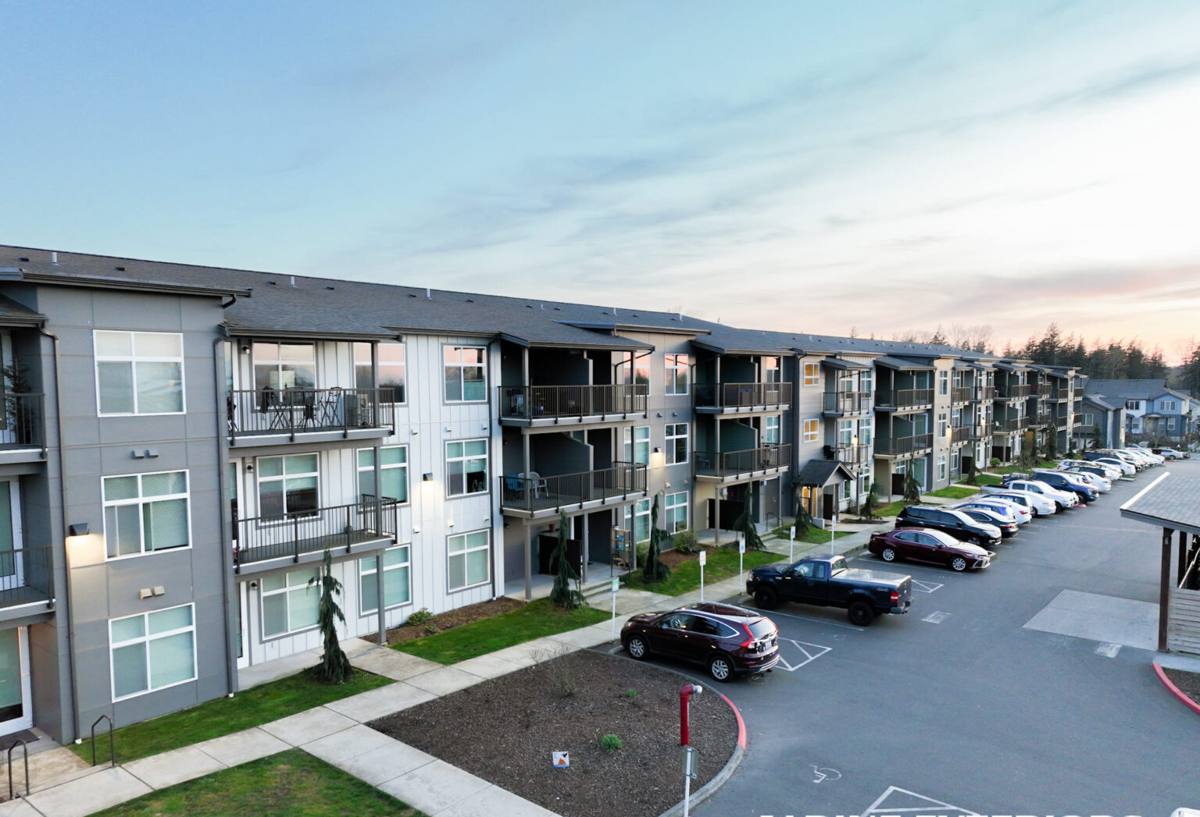
Signs Your Sumas Home Needs Siding Repair
Because siding damage in this climate tends to start hidden, it helps to know what to look for before it turns into a bigger repair. Walk the perimeter of your home a couple of times a year, especially after a hard winter, and check for these signs:
- Soft or spongy spots when you press on siding, especially near the bottom of walls or below windows
- Visible moss or algae streaking on siding faces, particularly on north-facing or shaded walls
- Paint that's peeling, bubbling, or chalking well before it should
- Boards that have cupped, warped, or pulled away from the wall at the seams
- Dark staining or discoloration around butt joints, corners, and trim
- Gaps that have opened up around windows, doors, or where siding meets the foundation
- A musty smell in interior rooms along an exterior wall
- Visible swelling or delamination if your current siding is wood-based (LP SmartSide, primed spruce, or similar panel products)
Any one of these on its own might just need a spot repair. Several of them together, especially on the same wall, usually mean moisture has been getting behind the siding for a while and the repair needs to address the cause, not just the symptom.
What a Correct Siding Repair Job Actually Involves
A repair done right starts before anyone touches the damaged board. We pull the siding back far enough to see what's underneath it — the water-resistive barrier, the flashing, the sheathing — because that's where the real story is. Damaged siding is often a symptom of a flashing detail that was missed, a caulk joint that failed, or a gap that let water track behind the wall for months or years before it ever showed up on the surface.
Steps we don't skip
- Remove damaged material and inspect the sheathing and water barrier for rot, softness, or mold
- Correct the underlying cause — flashing, kick-out diverters, sealant, or drainage — not just the visible damage
- Replace any compromised sheathing before new siding goes back on
- Match new material to the existing siding's profile, exposure, and color as closely as possible
- Re-flash and re-seal every penetration and transition point correctly the first time
- Fasten and finish to the manufacturer's specifications, not just "close enough"
Skipping the inspection step is the most common shortcut in siding repair, and it's the one that costs homeowners the most in the long run. A patch that looks fine from the driveway can fail again within a year or two if the water intrusion behind it was never addressed.
Repair vs. Replacement: How We Decide
Not every damaged section needs a full re-side, and we don't push replacement when a targeted repair will genuinely hold up. But there's a point where patching stops making sense, either because the damage has spread too far or because the underlying siding material isn't built to take another round of moisture exposure. Here's how we think through it:
| Factor | Favors Repair | Favors Replacement |
|---|---|---|
| Extent of damage | Isolated to one or two boards/areas | Spread across multiple walls or repeat failures in the same spots |
| Siding material | Fiber cement in otherwise good condition | Wood-based composite panels (like LP SmartSide) with swelling or edge delamination |
| Underlying structure | Sheathing and framing intact | Rot or soft sheathing found behind the siding |
| Age of siding | Well within expected service life | Approaching or past the manufacturer's practical lifespan |
| Color/profile match | Close match available | Discontinued profile or faded color that won't blend |
If your home has a few compromised boards on an otherwise sound wall, a repair is usually the honest recommendation. If we open up a wall and find repeated moisture damage or a siding material that's failing by design, we'll tell you that too — and explain why, not just push a bigger invoice.
Why We Repair — and Rebuild — With James Hardie Fiber Cement
When a repair calls for new material, or when the damage points toward a full re-side, we only install James Hardie fiber cement. That's a deliberate standard, not a brand preference. We don't install LP SmartSide, vinyl, Cemplank, Allura, primed spruce, or cedar, and in a climate like Sumas gets — long stretches of damp weather, driving rain, and moss that never fully goes dormant — the reasons come down to how these materials actually perform over years of exposure, not just what they look like on day one.
Wood-based composite siding depends on its factory coating and careful field sealing to keep moisture out; once that seal is compromised at a cut edge, fastener hole, or joint, the substrate can swell and soften from the inside, which is exactly the kind of hidden damage we described above. Cedar looks great but needs ongoing maintenance — staining, sealing, and moss treatment — to hold up in this climate, and that maintenance burden only grows in a moss-heavy environment. Vinyl doesn't rot, but it can warp, crack in cold snaps, and fade, and it doesn't hold paint if you ever want to change the color.
James Hardie fiber cement is non-combustible, doesn't support the kind of moisture-driven decay that wood-based products can suffer, and comes with a factory-applied ColorPlus finish that's engineered to hold color and resist the fading and chalking that Northwest sun and rain cause on field-painted siding. Hardie's HZ5 product line is specifically engineered for cold, wet, freeze-prone climates like Whatcom County's, and the product carries a strong transferable warranty when installed to spec — which matters, because installation quality is what determines whether any siding material actually delivers on its warranty in practice.
Our Process for Siding Repair Calls in Sumas
We keep the process straightforward because homeowners dealing with a moisture problem don't need more runaround on top of it:
- Inspection. We look at the damaged area and the surrounding siding, and we check for signs of the same issue elsewhere on the house.
- Diagnosis. We open up the affected section enough to see the sheathing, flashing, and water barrier, and identify what actually let moisture in.
- Honest scope. We tell you whether this is a contained repair, a larger repair, or something that points toward replacement — with the reasoning, not just a number.
- Written estimate. You get a clear scope of work and price before anything is torn off the wall.
- Repair or rebuild. We correct the underlying cause first, then install matching material — Hardie fiber cement where new siding is needed — to spec.
- Final walkthrough. We check the finished work with you before we consider the job done.
Why Hiring a Crew That Already Works in Sumas Matters
Siding repair is very site-specific work. A crew that regularly works homes in Sumas and the surrounding Whatcom County communities has already seen how the local weather pattern shows up in real siding failures — which walls take the worst of the driving rain, where moss tends to build up fastest, and which older siding installations in the area are more prone to the moisture problems we described earlier. That local pattern recognition shortens the diagnosis step and helps avoid guesswork.
It also matters for something more practical: a contractor who already has a route through the area can respond to a repair call faster and isn't treating your home as a one-off trip. Ongoing local work also means we've handled the range of siding conditions this valley produces, from newer construction to older homes with several layers of prior repairs, so we're not learning on your project.
Questions worth asking any siding repair contractor
- Will you inspect behind the damaged siding before quoting the repair, or just quote what's visible?
- What caused this damage, in your professional opinion, and how does the repair address that cause?
- What material will you use to match the existing siding, and how close will the match actually be?
- Is the sheathing being checked and replaced if needed, or just covered back up?
- What's covered by warranty on both the material and the labor?
What Affects the Cost of a Siding Repair
Every repair is different, but the price generally comes down to a handful of factors rather than just square footage of damaged siding:
| Cost Factor | Why It Matters |
|---|---|
| Extent of hidden damage | Rotted sheathing or framing behind the siding adds material and labor beyond the visible patch |
| Access and wall height | Second-story or hard-to-reach walls take more time and equipment |
| Color and profile matching | Matching an older or discontinued siding profile can require more careful sourcing and cutting |
| Number of affected areas | Several isolated repair spots across a home cost differently than one contained section |
| Underlying cause | Correcting flashing, drainage, or a water barrier issue is part of doing the repair right, not an add-on |
We put all of this in writing before any work starts, so there are no surprises once the wall is opened up.
Protecting the Repair Once It's Done
A correctly done repair should hold up for years, but a little seasonal attention helps it — and the rest of your siding — go the distance in this climate:
- Keep gutters clear so overflow doesn't run directly down siding faces
- Trim back vegetation and tree cover that keeps siding shaded and slow to dry
- Rinse moss and algae buildup off siding before it gets a foothold, especially on north-facing walls
- Check caulking around windows, doors, and trim annually and re-seal where it's cracked or pulled away
- Walk the exterior after major storms and note anything that looks different from last season
If you're noticing soft spots, staining, moss buildup, or siding that just doesn't look right anymore, it's worth getting it looked at before another wet Whatcom County winter works on it further. We're happy to come take a look at your Sumas home and give you a straight answer about what it needs — reach out below for a free, no-pressure estimate.