 Ferndale
 Siding That Has to Work Through Every Whatcom County Season
Homes in and around Sumas sit close enough to the Nooksack lowlands and the Strait of Georgia airflow that siding takes a different kind of beating than it would further inland. Salt-tinged marine air moves through the valley, driving rain comes in sideways off the water more months than not, and the shaded, damp stretches of fall through spring keep moss and algae active on anything that holds moisture. A siding product that looks fine on a sunny showroom day can start failing quietly within a few seasons out here if it isn't built for this specific mix of salt, water, and shade.
We install James Hardie fiber cement siding exclusively, and this page is about what that looks like specifically for Sumas — not a generic pitch, but the real considerations that come up when we're pricing and installing on homes in this part of Ferndale's service area.
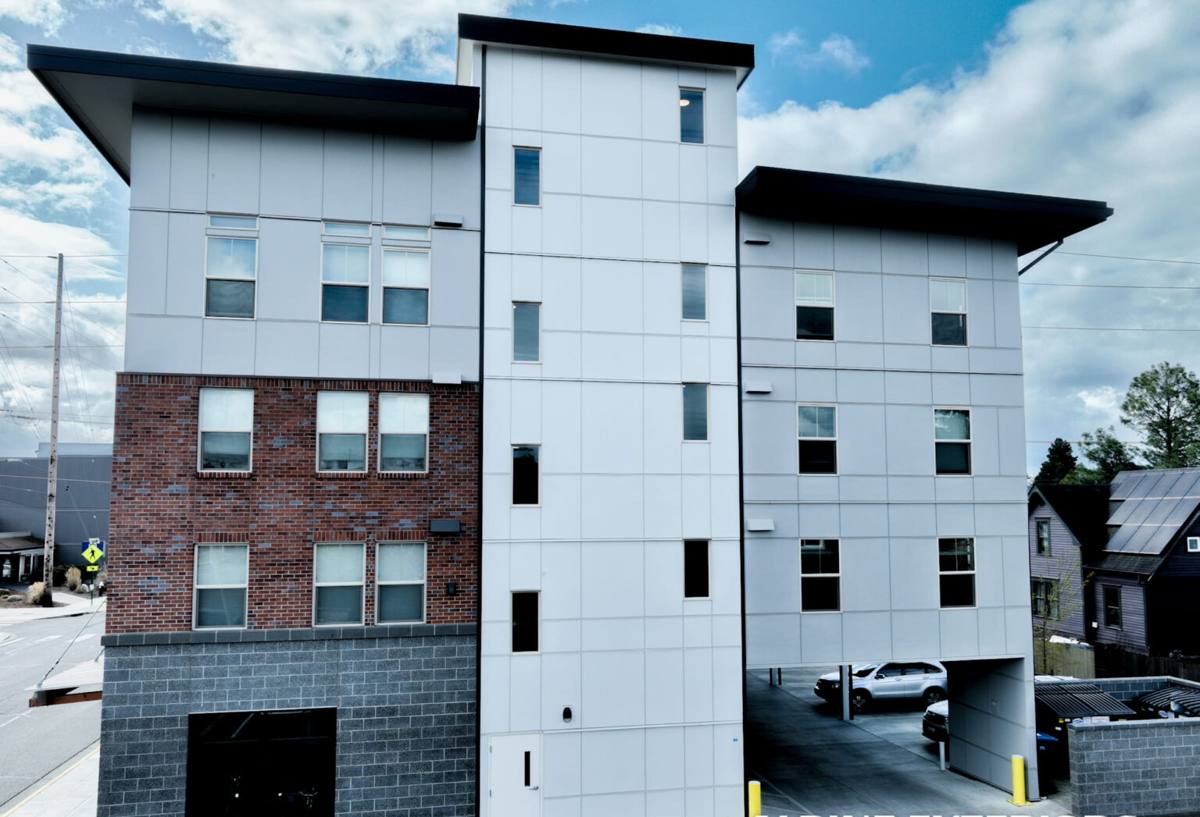
What the Sumas Climate Actually Does to a House
Salt Air and Corrosion
Proximity to marine air means fasteners, flashing, and trim details corrode faster than they would in a dry inland climate. This doesn't just affect the siding material itself — it affects every metal component behind and around it. Cheap or mismatched fasteners are one of the most common causes of early siding failure we see on coastal Whatcom County homes, and it has nothing to do with the siding brand and everything to do with installation choices.
Driving Rain and Wind-Driven Moisture
Rain in this area rarely falls straight down. Wind pushes it sideways into wall assemblies, which means the water-resistive barrier, flashing details, and siding overlaps matter more here than in calmer climates. A siding job that's technically "up to code" but not built for wind-driven rain will eventually let moisture behind the cladding — and once that happens, the siding material almost doesn't matter, because the sheathing and framing behind it are what really suffer.
Moss, Algae, and the Long Damp Season
Whatcom County's extended cool, wet stretch gives moss and algae months of favorable conditions on any shaded wall, north-facing elevation, or spot with poor airflow. Porous or absorbent siding materials hold that moisture and give organic growth something to root into. Non-absorbent, factory-finished siding sheds that growth far more easily and doesn't feed it the way some other materials can.
Why James Hardie Fits This Specific Environment
James Hardie fiber cement is engineered from cement, sand, and cellulose fibers — it doesn't rot, it isn't a food source for organic growth, and it doesn't expand and contract with moisture the way wood-based or foam-core products can. For a Sumas home dealing with salt air, driving rain, and a long moss season, that combination of properties directly addresses the three biggest stressors on the wall.
James Hardie's HZ5 product line is specifically engineered for climates with the kind of cold-and-wet exposure northern Washington sees, and the ColorPlus factory finish is baked on in a controlled environment rather than field-applied — which matters when jobsite weather windows in this area can be unpredictable. A factory finish also resists the fading and chalking that field-applied paint can show first on sun- and salt-exposed elevations.
What We Don't Install, and Why It Matters Here
We don't install vinyl, LP SmartSide, primed spruce, cedar, or other fiber cement brands. In a climate like Sumas's, the trade-offs of those products show up faster than they would in a milder region:
- Vinyl expands and contracts with temperature swings and can warp or become brittle in sustained wind exposure; it also isn't rated to the same fire standard as fiber cement.
- Wood-based products (LP SmartSide, primed spruce, cedar) rely on maintaining an intact surface coating to keep moisture out — any breach from wind-driven rain gives moisture a path into wood fibers that can swell, rot, or feed fungal growth over time.
- Other fiber cement brands may perform reasonably, but we've standardized on one product line so our crews have deep, repeatable installation expertise rather than juggling different manufacturer specs and warranty terms across jobs.
This isn't a knock on every use case for those materials — it's why, for the conditions this area produces, we've chosen not to put our name on installations of them.
What a Correct James Hardie Installation Involves
The siding board itself is only part of the system. A correct installation in this climate includes:
- Water-resistive barrier installed and lapped correctly, with all penetrations sealed before siding goes up.
- Rainscreen or proper drainage gap where conditions call for it, so any moisture that does get behind the cladding can drain and dry rather than sit against the sheathing.
- Flashing at every horizontal transition — windows, doors, roof-to-wall intersections, and trim — sized and lapped to shed wind-driven rain rather than just vertical rainfall.
- Correct fastener type and placement, matched to Hardie's published fastening schedule and corrosion-resistant for coastal-influenced air.
- Proper clearances from grade, roofing, and decks, so the bottom edge of the siding isn't sitting in standing water or splash-back.
- Factory-cut and factory-sealed edges wherever possible, since field-cut edges need to be primed and sealed to maintain the product's moisture resistance.
Skip any one of these and you can end up with a wall that looks like a proper Hardie install from the curb but behaves like a much cheaper job in five years.
How Our Process Works for a Sumas Project
1. On-Site Assessment
We look at your home's specific exposure — which elevations take the most wind-driven rain, where moss has already established itself, and what condition the existing wall assembly is in behind the current siding.
2. Product and Line Selection
We walk through the relevant James Hardie lines and ColorPlus color options for your home, factoring in HOA or neighborhood aesthetics common in this part of Whatcom County and which profile (lap, shingle, panel) suits the house.
3. Tear-Off and Sheathing Check
Old siding comes off and we inspect the sheathing underneath for any existing moisture damage before anything new goes up — this is the point where hidden problems from a prior installation usually surface.
4. Barrier and Flashing Installation
Water-resistive barrier, flashing, and drainage details go in first, matched to the wind and rain exposure of each elevation.
5. Hardie Installation to Spec
Boards are cut, fastened, and finished according to James Hardie's published installation guidelines — this is what keeps the manufacturer warranty valid and is also simply the right way to build the wall.
6. Final Walkthrough
We review the finished job with you, covering care basics and what normal weathering looks like versus something that would need a callback.
Why a Crew That Already Works Sumas Matters
Installation specs on paper are the same everywhere, but judgment calls on site aren't. A crew that regularly works this stretch of Whatcom County already knows which elevations on a typical Sumas-area lot catch the worst of the wind-driven rain, how much clearance local drainage patterns actually require, and what moss growth on an existing wall usually indicates about airflow or grading. That local pattern recognition is what turns a by-the-book install into one that actually holds up through a decade of this specific climate.
Cost Factors for a Sumas James Hardie Project
| Factor | Why It Affects Price |
|---|---|
| Home size and wall complexity | More elevations, dormers, and trim details mean more cutting, flashing, and labor time |
| Existing siding removal | Tear-off and disposal of old material adds labor beyond a direct install |
| Sheathing repair | Hidden moisture damage found during tear-off may need repair before new siding goes on |
| Product line and profile | Different HZ lines and profiles (lap, shingle, panel) carry different material costs |
| ColorPlus color selection | Standard versus premium color offerings can shift material pricing |
| Access and site conditions | Steep lots, limited access, or tight setbacks can add time and equipment needs |
Signs Your Sumas-Area Home May Need Siding Attention
- Persistent moss or algae staining that returns shortly after cleaning
- Soft spots, bubbling, or visible warping on wood-based siding
- Paint that's peeling or chalking heavily on wind-exposed elevations
- Visible gaps or separation at trim and corner boards
- Rust streaks below fasteners or trim fixtures
- Rising energy bills that may point to a compromised wall assembly
Maintenance Once Your Hardie Siding Is Installed
James Hardie siding is low-maintenance, not no-maintenance. A yearly rinse to keep moss and pollen from building up, prompt attention to any caulking that shrinks at trim joints, and keeping gutters clear so water isn't overflowing onto the wall will keep the system performing the way it's designed to for this climate. None of this is heavy work — it's the kind of upkeep that takes an afternoon and prevents the slow problems that come from ignoring a wall for years.
If you're in Sumas or elsewhere in the Ferndale service area and want a straight answer on what your home's siding actually needs, we're glad to take a look. The estimate is free, there's no pressure, and you'll get a clear read on your options either way.