 Ferndale
 Custom Windows Built for the Semiahmoo Area
Homes around Semiahmoo sit close enough to the water that the weather is a different animal than what you'd deal with further inland in Whatcom County. Salt-laden air, wind-driven rain off the strait, and long stretches of gray, damp months put real stress on window frames, seals, and glazing. A window that's fine on a sheltered lot ten miles inland can start failing years early out here if it wasn't chosen and installed with that exposure in mind. We work this stretch of the county regularly, and this page covers what we've learned about doing custom window work right in this specific spot.
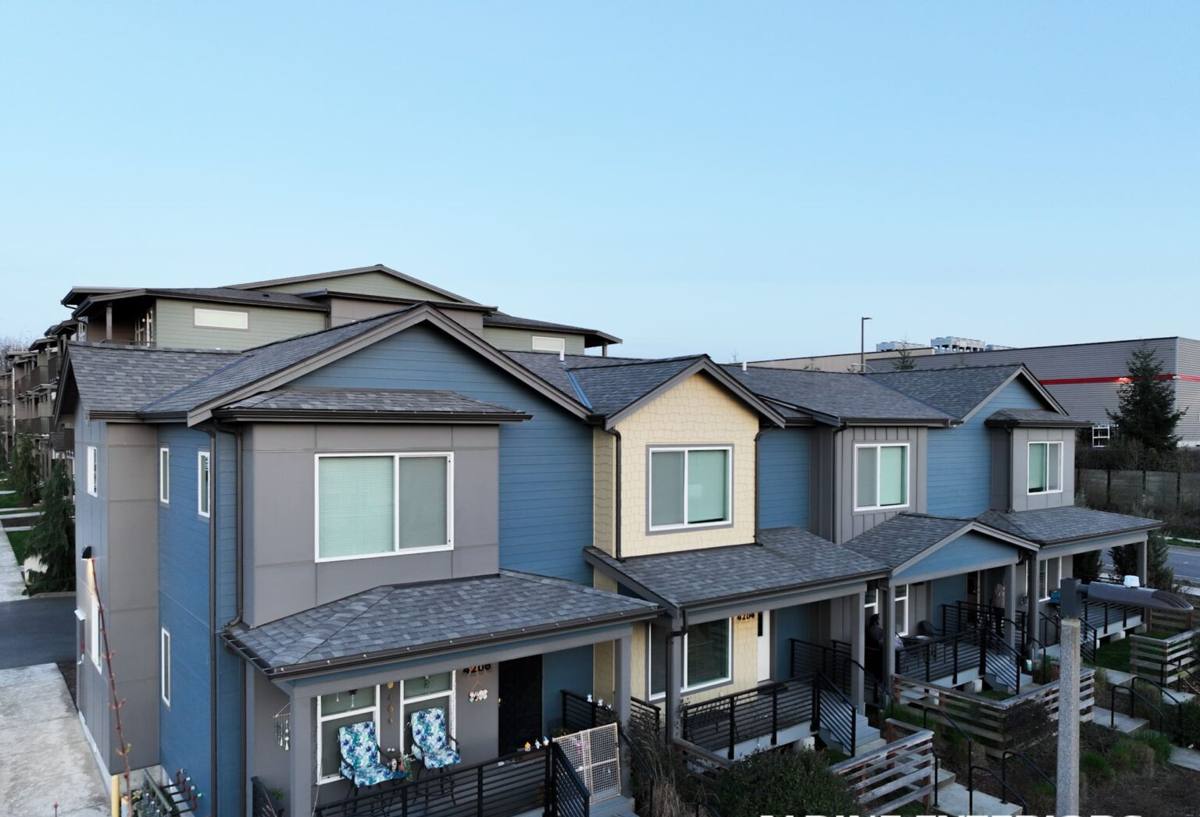
Why Semiahmoo's Climate Is Hard on Windows
Three things drive most of the window problems we see near Semiahmoo:
- Salt air corrosion — airborne salt accelerates corrosion on hardware, fasteners, and lower-grade aluminum components, especially on the sides of a home facing the water.
- Driving rain — wind off the strait doesn't just fall, it pushes rain sideways into wall assemblies and window flanges, which exposes any weak point in the flashing or sealant right away.
- Extended moss and moisture season — long wet stretches keep exterior surfaces damp for weeks at a time, which is tough on wood trim, sill details, and anything that traps moisture instead of shedding it.
None of that means custom windows are a bad idea here — it means the materials, hardware, and installation details need to match the site, not just the style you want.
What "Custom" Actually Means for This Location
Custom windows aren't just about shape or size — though plenty of Semiahmoo-area homes do have odd rooflines, view-oriented openings, or older framing that doesn't match modern stock sizes. Custom also means selecting frame material, glazing package, and hardware finish based on which elevation of the house you're working on. A window facing the water gets different hardware and sealant treatment than one on a sheltered interior wall, even on the same house.
Frame Materials: What Holds Up Near the Water
We get asked a lot about which frame material is "best" for a coastal-influenced lot like Semiahmoo. There's no single right answer — it depends on your budget, maintenance appetite, and how exposed the specific window is. Here's how the common options actually perform in this environment:
| Frame Material | Salt Air Behavior | Maintenance | Notes for This Area |
|---|---|---|---|
| Vinyl | Good — doesn't corrode | Low | Solid value option; check seal quality on higher-end lines for wind-driven rain performance |
| Fiberglass | Very good — stable, low expansion | Low | Handles temperature/moisture swings well, holds paint finishes longer in damp climates |
| Aluminum | Fair — needs marine-grade hardware near water | Moderate | Fine for style/sightlines but hardware and finish quality matter more here than inland |
| Wood | Poor without diligent upkeep | High | Beautiful but needs a real maintenance commitment given the moss season; clad-wood is a common compromise |
| Clad-Wood | Good on exterior face | Moderate | Wood interior warmth with a protective exterior shell — a common pick for view homes here |
Our standard is to steer homeowners away from bare wood exteriors on water-facing walls in this area unless they're genuinely committed to regular refinishing. It's not that wood windows are a bad product — it's that the maintenance burden in a salt-air, high-moisture spot like Semiahmoo is higher than most people expect when they're picturing a low-maintenance home.
Glazing and Hardware Choices That Matter Here
Glazing
Double-pane, low-E glazing is standard practice for this climate and helps with both energy performance and condensation control during the wet months. For water-facing rooms where wind noise or extra insulation matters, some homeowners step up to a heavier glazing package — that's a conversation worth having during the estimate, not something to guess at.
Hardware and Seals
This is where a lot of corner-cutting shows up years later. Stainless or otherwise corrosion-resistant hardware costs more up front but saves you from seized locks and pitted hinges on the sides of the house that catch the most salt air. Weatherstripping and sealant quality matter just as much — a cheap gasket that's fine in a dry inland climate can compress, crack, or fail early under the constant damp cycling near the water.
Installation Details That Prevent Water Intrusion
A correct custom window job in this area comes down to what happens at the rough opening, not just what window gets set into it. Wind-driven rain finds any gap in the flashing sequence, so we treat these steps as non-negotiable:
- Inspect and repair the rough opening and surrounding sheathing before anything gets set — rot or soft wood here undermines everything installed after it.
- Install a proper sill pan to direct any water that gets past the window back outward, not into the wall cavity.
- Flash in the correct shingle-lap sequence (sill, jambs, then head) so water sheds downward and outward at every layer.
- Use compatible sealants and tapes — mixing incompatible flashing products is a common source of failures we get called to fix.
- Shim and fasten the unit square and plumb, with attention to how much movement the frame will see from wind loading on exposed elevations.
- Insulate the gap between frame and rough opening properly — overpacking or underfilling both cause problems.
- Finish interior and exterior trim with materials and caulking rated for continuous damp exposure.
Skipping or rushing any one of these steps is usually invisible on install day and shows up as a leak, stain, or rot two to five years later — right around when it's expensive to fix because the damage has spread into the wall assembly.
Our Process for Semiahmoo Custom Window Projects
1. On-Site Assessment
We look at each elevation of the house separately — water exposure, wind direction, existing window condition, and any signs of past moisture intrusion around the openings.
2. Material and Product Selection
We walk through frame material, glazing, and hardware options based on which side of the house each window is on, your budget, and how much maintenance you actually want to take on long-term.
3. Detailed Estimate
You get a clear breakdown of scope, materials, and price before any work starts — no vague allowances that turn into surprise add-ons.
4. Installation
Our crew follows the flashing and sealing sequence above on every opening, not just the ones facing the water. Consistency across the house is what actually prevents callbacks.
5. Walkthrough and Cleanup
We check operation, seals, and trim work with you before we consider the job finished, and we clean up the site properly — old window debris and packaging don't get left for you to deal with.
Why a Crew That Already Works Semiahmoo Matters
A contractor who mostly works inland jobs can still install a window correctly on paper and still miss the details that matter here — the extra hardware corrosion resistance, the heavier flashing detail on water-facing walls, the sealant that actually holds up through a long wet season instead of just a normal Pacific Northwest winter. We're based in Ferndale and work this part of Whatcom County regularly, so we're not guessing at how a given product or install method holds up near the water — we've seen it over multiple seasons on homes with the same exposure yours has.
What This Kind of Project Typically Involves
- Number of windows being replaced or added, and whether openings are changing size or staying as-is
- Frame material and glazing package selected per elevation
- Condition of the existing rough openings and any rot repair needed before installation
- Interior and exterior trim style, including matching existing finishes where only some windows are being replaced
- Timeline — weather windows matter for exterior work in this climate, so scheduling around drier stretches helps the install go smoothly
A Realistic Look at Cost Factors
We won't quote a number here because every house and window count is different, but these are the factors that actually move the price on a Semiahmoo-area custom window project:
| Factor | Impact on Cost |
|---|---|
| Frame material chosen | Vinyl typically lowest, wood and clad-wood highest |
| Number of custom (non-stock) sizes or shapes | Increases cost over standard sizing |
| Rough opening condition / rot repair needed | Can add meaningfully if sheathing or framing repair is required |
| Water-facing vs. sheltered elevation | Upgraded hardware/sealant on exposed walls adds modest cost |
| Glazing upgrade level | Higher-performance glass adds cost but improves comfort and durability |
If you're weighing a custom window project for a Semiahmoo-area home, we're happy to come take a look and give you a straightforward, no-pressure estimate — just fill out the form below.