 Ferndale
 Bellingham's Climate Puts Real Demands on a Roof
A roof in Bellingham doesn't fail the way a roof does in a dry climate. It fails from years of accumulated moisture, wind-driven rain forcing its way under poorly lapped materials, and moss that never fully dries out between storms. Bellingham sits close enough to the water that salt-laden air is a real factor for metal components — fasteners, flashing, vents — not just a coastal-town talking point. Add in Whatcom County's long wet season, where a roof can stay damp for weeks at a stretch, and you have a climate that punishes shortcuts a lot faster than it would somewhere drier.
None of this means a roof here needs to be exotic or overbuilt. It means the ordinary parts of the job — underlayment choice, flashing details, ventilation, fastener quality — matter more than they would in a milder climate, because there's less margin for error before a small gap turns into a leak, and less time for materials to dry out before the next system rolls through.
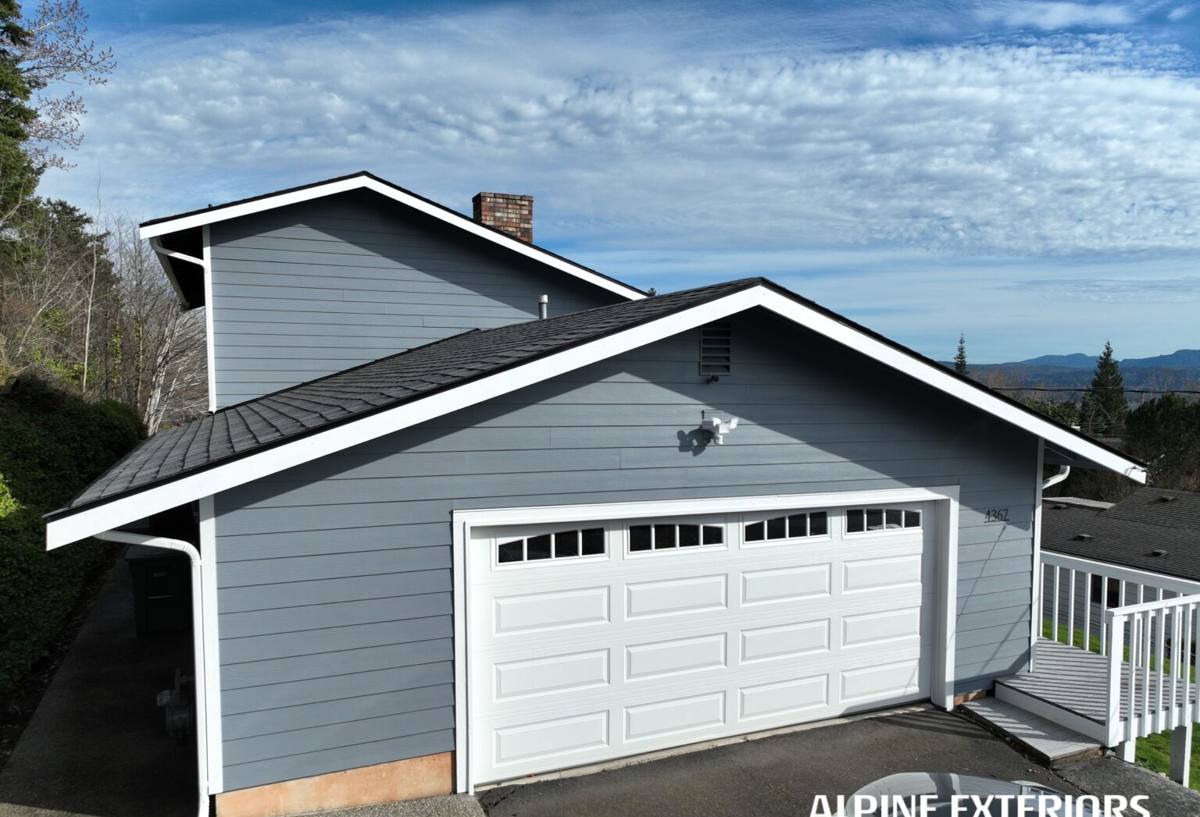
What "Correct" Roof Installation Actually Means Here
A new roof is mostly judged by what you can't see once it's done. The shingles or panels on top are the last five percent of the job. The other ninety-five percent is what's underneath, and that's where most of the difference between a roof that lasts and a roof that leaks in year six gets decided.
Tear-Off and Deck Inspection
We remove the old roofing down to the deck rather than layering over it. That's the only way to actually see the plywood or plank sheathing underneath, which is where years of slow leaks or trapped moisture show up as soft spots, delamination, or rot — especially around old vent boots and chimney flashing, which are common failure points on older Bellingham homes. Any damaged decking gets replaced before anything new goes down; installing over bad decking just hides the problem for the next owner to find.
Underlayment Built for Wet Winters
Underlayment is the roof's real waterproofing layer — the shingles or panels are the wear surface, but the underlayment is what actually keeps water out if wind drives rain under the top layer or ice forms at an edge. In a climate where roofs stay wet for extended stretches, we lean toward synthetic underlayment over traditional felt because it holds up better to prolonged moisture exposure and doesn't wrinkle or tear as easily during installation in damp conditions, which happens often enough here that it matters.
Flashing Details That Keep Water Out
Almost every roof leak we get called out to trace back to flashing, not the field shingles themselves — valleys, chimneys, skylights, sidewalls, and vent penetrations. These are the spots where water is most likely to find a way in during a driving rain, and they're the spots that get rushed on a fast, cheap install. We flash these areas properly rather than relying on sealant alone, because sealant is a maintenance item, not a permanent fix, and it degrades faster in this climate than homeowners expect.
Ventilation to Fight Moss and Trapped Moisture
A roof needs balanced intake and exhaust ventilation to let heat and moisture escape from the attic. Without it, moisture gets trapped under the roof deck, which shortens the life of the decking and the shingles from underneath — and a roof surface that stays damp longer is also a roof that grows moss faster. Ventilation is easy to overlook because it doesn't show on the surface, but it's one of the biggest factors in how long a new roof actually lasts in this climate.
Choosing a Roofing Material for a Bellingham Home
There's no single "best" material — the right choice depends on your home's exposure, your roof's pitch, your budget, and how much upkeep you want to take on. Here's how the common options compare for this climate specifically:
| Material | Moss/Moisture Resistance | Salt Air Durability | Maintenance | Typical Lifespan |
|---|---|---|---|---|
| Architectural asphalt shingle | Good with proper ventilation | Good with quality fasteners/flashing | Low to moderate | 25–30 years |
| Standing seam metal | Excellent — sheds moss growth | Depends on coating/gauge; needs corrosion-resistant fasteners | Low | 40–50+ years |
| Cedar shake | Requires regular treatment to resist moss/rot | Moderate; more upkeep near salt air | High | 20–30 years with upkeep |
| Synthetic/composite shingle | Good — resists moisture absorption | Good | Low | 30–40 years |
We install architectural asphalt shingles on the majority of Bellingham homes because they balance cost, appearance, and performance well when installed with the right underlayment and ventilation. Metal roofing is a strong option for homes with heavy tree cover or a history of moss problems, since moss has a much harder time gaining a foothold on a smooth metal surface. Cedar shake has a look a lot of homeowners want, but we're upfront that it needs consistent maintenance — cleaning and treatment — to hold up to our moisture levels, and we'll walk through that trade-off honestly rather than talk anyone out of a look they want without explaining the upkeep involved.
Our Installation Process
- Inspection and estimate — we walk the roof (or the ground, if pitch/access requires it) and the attic, check the decking condition where visible, and give you a written estimate with materials specified.
- Material selection — we go over the options above in the context of your home's exposure, pitch, and budget so you're picking based on trade-offs, not guesswork.
- Permitting — we handle the permit process for the job, which is required for a full roof replacement in this area.
- Tear-off — old roofing comes off down to the deck, with daily site cleanup so the property isn't left exposed or littered with debris overnight.
- Deck repair — any soft, delaminated, or rotted sheathing is replaced before anything new is installed.
- Underlayment and flashing — synthetic underlayment and properly detailed flashing go in at every valley, penetration, and edge.
- Installation — shingles, panels, or shakes go on to manufacturer specifications, with attention to nailing patterns and exposure, which matter more in high-wind, high-rain conditions than in mild climates.
- Cleanup and walk-through — magnetic sweep for stray fasteners, full debris removal, and a walk-through so you can see the finished work and ask questions.
- Warranty registration — manufacturer warranty paperwork gets filed so it's active and tied to your name, not left undone.
Moss, Algae, and Bellingham Roofs
Moss is close to universal on shaded, tree-covered roofs in this part of Washington, and it's more than a cosmetic issue. Moss holds moisture against the roof surface long after the rest of the roof has dried, and over time it can work its way under shingle edges and lift them. Dark algae streaking is a separate, mostly cosmetic issue caused by airborne organisms feeding on shingle material, common in humid coastal climates.
A few things make a real difference on a new installation: zinc or copper strips near the ridge let rainwater carry trace metal down the roof slope, which discourages moss growth over time; proper attic ventilation keeps the roof deck from staying damp from underneath; and trimming back overhanging branches reduces the shade and debris buildup that let moss get started in the first place. None of these replace periodic gutter and roof cleaning, but they reduce how often it's needed.
Why Hiring a Crew That Already Works in Bellingham Matters
Roofing crews that mostly work inland or in drier regions sometimes underestimate how much wind-driven rain and sustained moisture change the installation details that actually matter — flashing laps, underlayment choice, fastener corrosion resistance. A crew that works Bellingham regularly has already seen which parts of a roof fail first in this climate and builds around that from the start, rather than learning it from a callback.
There's also a practical side: local crews know the permitting process for the area, have working relationships with local material suppliers so delays are less likely, and can respond faster if a storm causes damage that needs urgent attention. That local presence matters more with roofing than with almost any other exterior trade, because a roof problem that sits for a few extra days in this climate tends to get worse, not stay the same.
What Affects the Cost of a New Roof in Bellingham
Roofing quotes vary widely because the job itself varies widely. These are the main factors that move the price up or down on most homes:
| Factor | How It Affects Cost |
|---|---|
| Roof size and pitch | More square footage and steeper pitches mean more material and more labor time/safety setup |
| Material choice | Asphalt shingle is the most budget-friendly; metal and cedar cost more upfront |
| Number of existing layers | Removing multiple old layers adds labor and disposal cost versus a single-layer tear-off |
| Decking condition | Rotted or delaminated sheathing found during tear-off adds material and labor to replace |
| Access and complexity | Multiple valleys, dormers, chimneys, or difficult site access add time and detail work |
| Permit fees | Set by the local jurisdiction and included in most estimates |
We give a written estimate with the material and scope specified, so you know what you're paying for and can compare it against other quotes on an apples-to-apples basis rather than just a bottom-line number.
Caring for Your New Roof Year-Round
A well-installed roof still needs basic upkeep to hit its full lifespan in this climate. A simple routine goes a long way:
- Clean gutters at least twice a year, more often if you have overhanging trees
- Have moss treated or removed before it spreads across the whole roof surface
- Trim back branches that overhang or touch the roof
- Check attic ventilation isn't blocked by insulation or debris
- Have the roof inspected after any major windstorm, even if you don't see obvious damage
- Watch for granule buildup in gutters, which can signal a shingle roof nearing the end of its life
If you're weighing a new roof or just want an honest read on how much life is left in the one you have, we're happy to take a look and give you a straightforward, no-pressure estimate — fill out the form below to get started.