 Ferndale
 Why Lummi Island Siding Takes More Punishment Than Most
Lummi Island sits surrounded by saltwater, which means every home on it deals with a combination most inland Whatcom County houses never see: salt-laden air, wind-driven rain off the Salish Sea, and long stretches of shade and dampness that keep moss and algae active most of the year. Siding here isn't just a weather barrier — it's fighting a slow, constant chemical and biological assault that eats away at the wrong materials faster than most homeowners expect.
We install James Hardie fiber cement siding on Lummi Island homes because it's the one product system that holds up to all three stressors at once — salt exposure, saturation, and moss — without the maintenance spiral that comes with wood, vinyl, or engineered wood alternatives in a marine environment.
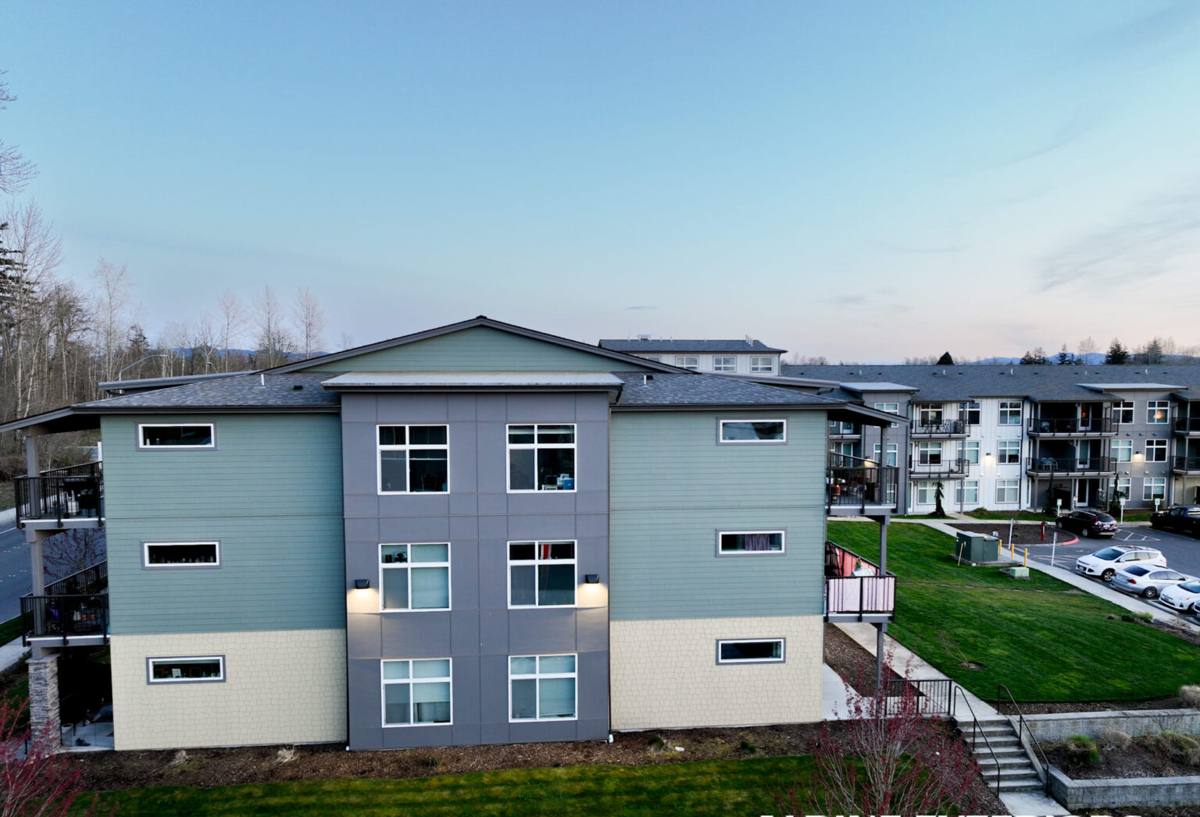
What Salt Air Actually Does to Siding
Salt air doesn't just sit on a wall — it works its way into seams, fastener heads, and any exposed edge or cut end of a siding product. On wood-based products, that moisture-salt combination accelerates rot from the inside out, often before it's visible from the ground. On vinyl, salt residue plus UV exposure speeds up brittleness and fading, especially on south- and west-facing walls that catch both sun and sea spray.
Fiber cement doesn't absorb moisture the way wood-based siding does, and it isn't a petroleum-based plastic that degrades under UV and salt the way vinyl does. That's the core reason it's become the standard for homes directly exposed to marine air anywhere in the Pacific Northwest, Lummi Island included.
Fastener and Flashing Details Matter More Here
A correct Hardie installation on a salt-exposed home uses corrosion-resistant fasteners (stainless steel or hot-dip galvanized, per manufacturer spec) and careful attention to flashing at every window, door, and roofline transition. On Lummi Island, we don't cut corners on this — a fastener that rusts and streaks, or a flashing detail that lets water track behind the siding, undoes the durability of the siding itself. This is where a lot of siding jobs quietly fail years later, even when the siding material was the right choice.
Driving Rain and Wind Exposure
Because the island has open water exposure on multiple sides, wind-driven rain hits walls at an angle rather than falling straight down, which pushes water into laps, joints, and penetrations that a sheltered inland home rarely has to deal with. This is a water-management problem as much as a materials problem.
- Proper lap spacing and overlap on every course, not just the visible ones
- A drainage plane (weather-resistive barrier) installed correctly behind the siding, not just draped over sheathing
- Rainscreen or furring strategy considered on wind-exposed walls to let any incidental moisture drain and dry
- Sealed and back-primed cut ends on every piece, per James Hardie's installation requirements
- Careful counter-flashing where siding meets roofs, decks, and chimneys
Skip any one of these and you get a wall that looks fine for a season or two, then starts showing staining, soft spots, or paint failure at the exact spots where wind-driven rain concentrates.
Moss, Algae, and the Long Wet Season
Whatcom County's wet season runs long, and on Lummi Island the combination of tree cover, shaded north walls, and near-constant humidity off the water keeps moss and algae active for much of the year. Left unmanaged, moss holds moisture against a wall surface, which is exactly the condition that accelerates rot in wood siding and trim.
James Hardie's factory-applied ColorPlus finish is baked on under controlled conditions and holds up better against the surface staining and organic growth that plagues field-painted wood and lower-grade siding products in shaded, damp locations. It won't stop moss from landing on a surface — nothing does — but it gives you a substrate that doesn't feed the problem the way untreated or poorly sealed wood does, and it cleans up with a gentle wash rather than requiring re-staining or repainting.
Where Moss Causes the Most Damage
North-facing walls, areas under overhanging trees, and low sections of a home near grade or landscaping are where we see the worst moss buildup on the island. These are also the areas where correct siding installation — proper clearance from grade, good gutter and downspout placement, trimmed vegetation clearance — matters as much as the siding material itself.
Why We Only Install James Hardie
We've made a standing decision not to install LP SmartSide, vinyl, Cemplank, Allura, or bare cedar/spruce siding, and on an island exposure like Lummi Island that decision matters even more than it does on a typical inland Ferndale lot.
| Material | How it holds up in salt air / driving rain / moss |
|---|---|
| Vinyl | Doesn't rot, but salt residue and UV accelerate fading and brittleness; can warp under heat and impact; seams are a weak point for wind-driven rain |
| Engineered wood (LP SmartSide) | Wood-based core is vulnerable to moisture intrusion at cut edges and fastener points; manufacturer maintenance requirements are strict, and lapses in a marine environment show up faster |
| Bare cedar / spruce | Beautiful when new, but needs ongoing staining/sealing to resist moss and rot; salt air and shade shorten the maintenance interval significantly |
| Other fiber cement (Cemplank, Allura) | Similar base material to Hardie, but we've standardized on Hardie's HZ5 climate-engineered formulation, finish warranty, and regional manufacturer support |
| James Hardie fiber cement | Non-combustible, doesn't absorb water like wood, factory ColorPlus finish resists fading and staining, engineered HZ5 formulation for the Pacific Northwest's moisture cycle |
This isn't a claim that other products are junk — plenty of them are reasonable choices in drier, more sheltered climates. It's that on a marine, high-moss, wind-exposed site like Lummi Island, the trade-offs of those alternatives show up faster and cost more to manage than most homeowners want to deal with.
What a Correct Job Looks Like Here
Before We Touch the Wall
We check existing sheathing and framing for hidden moisture damage, confirm the drainage plane and flashing plan for the specific wall orientations getting the most wind and spray exposure, and select the Hardie product line (lap siding, panel, or shingle-style) and HZ5 formulation appropriate for the island's exposure.
During Installation
Correct fastener spacing and type, proper clearance from grade and roof lines, sealed cut ends, and careful integration with existing trim, windows, and doors. We follow James Hardie's published installation instructions closely — deviating from them is one of the most common ways a warranty gets voided and a wall starts failing early.
After Installation
We walk the finished job with the homeowner, cover basic care (an occasional gentle rinse handles most moss and salt residue on a ColorPlus finish), and make sure gutters, downspouts, and grading are directing water away from the base of the walls.
Getting to and Working on Lummi Island
Lummi Island is accessible by ferry, and any contractor working there needs to plan material deliveries, crew scheduling, and equipment logistics around that reality — it's not a same-day, drop-everything callback like a job in downtown Ferndale. We build ferry scheduling into our project timelines up front so island jobs don't get the leftover attention of a crew that's really based elsewhere and just squeezing the trip in. A crew that already works the island knows the ferry schedule, the wind exposure patterns on different parts of the island, and how to stage a job efficiently in a place where you can't just run back to the shop for a forgotten part.
What to Ask Before Hiring Anyone for Island Siding Work
- Have you installed siding on Lummi Island or similarly exposed waterfront/island properties before?
- How do you handle material and crew logistics around the ferry schedule?
- What fastener and flashing spec do you use for salt-air exposure?
- Are you a certified James Hardie installer, and what does that certification actually cover?
- What's your plan for existing moss or moisture damage found once old siding comes off?
A straight answer to all five is a reasonable sign you're dealing with a crew that understands the island's actual conditions rather than treating it like any other job site.
Cost Factors Specific to Island Jobs
| Factor | Why it affects an island project |
|---|---|
| Ferry logistics | Material deliveries and crew trips need to be batched and scheduled around sailing times, which affects project sequencing |
| Wall exposure | Walls facing open water or prevailing wind may need extra attention to flashing and drainage detailing, adding labor time in those areas |
| Existing damage | Homes with a history of moss or moisture issues may need sheathing repair once old siding is removed, which is priced once it's visible |
| Product line and formulation | HZ5 formulations and specific Hardie product lines (lap, shingle, panel) vary in material cost |
| Access and staging | Some island lots have limited space for material staging and equipment, which can affect crew efficiency |
A Long-Term Investment for a Demanding Climate
Siding on Lummi Island isn't a five-year decision — done right, it should hold up for decades against conditions that are genuinely harder on a home's exterior than most of Whatcom County sees. James Hardie's transferable warranty and factory finish are built around that kind of timeline, and paired with correct installation — the flashing, fastener, and drainage details that matter most in a marine environment — it's the combination we've found actually delivers on it.
If you own a home on Lummi Island and want a straight assessment of what your siding needs and what it would take to do it right, we're happy to take a look. Reach out for a free, no-pressure estimate using the form below.