 Ferndale
 Building New in Kendall: What the Climate Actually Demands
Kendall sits back from the water, but that doesn't mean the weather goes easy on a new house. Whatcom County as a whole deals with long stretches of driving, wind-pushed rain, heavy tree cover that keeps siding and trim damp for days after a storm, and a moss season that can run from October well into spring. Homes closer to the coast add salt-laden air into that mix, which accelerates corrosion on hardware and fasteners. For a new build, this all matters most at the window openings — every window is a hole cut into your weather barrier, and how that hole is flashed, sealed, and finished determines whether the house stays dry for the next thirty years or starts showing rot and mold behind the trim in five.
New construction gives you one real advantage over a remodel: you get to do it right the first time, before siding, insulation, and interior finishes close up the wall assembly. That's also the moment where a rushed or careless install does the most long-term damage, because the mistakes get buried and don't show up until there's already water damage inside the wall.
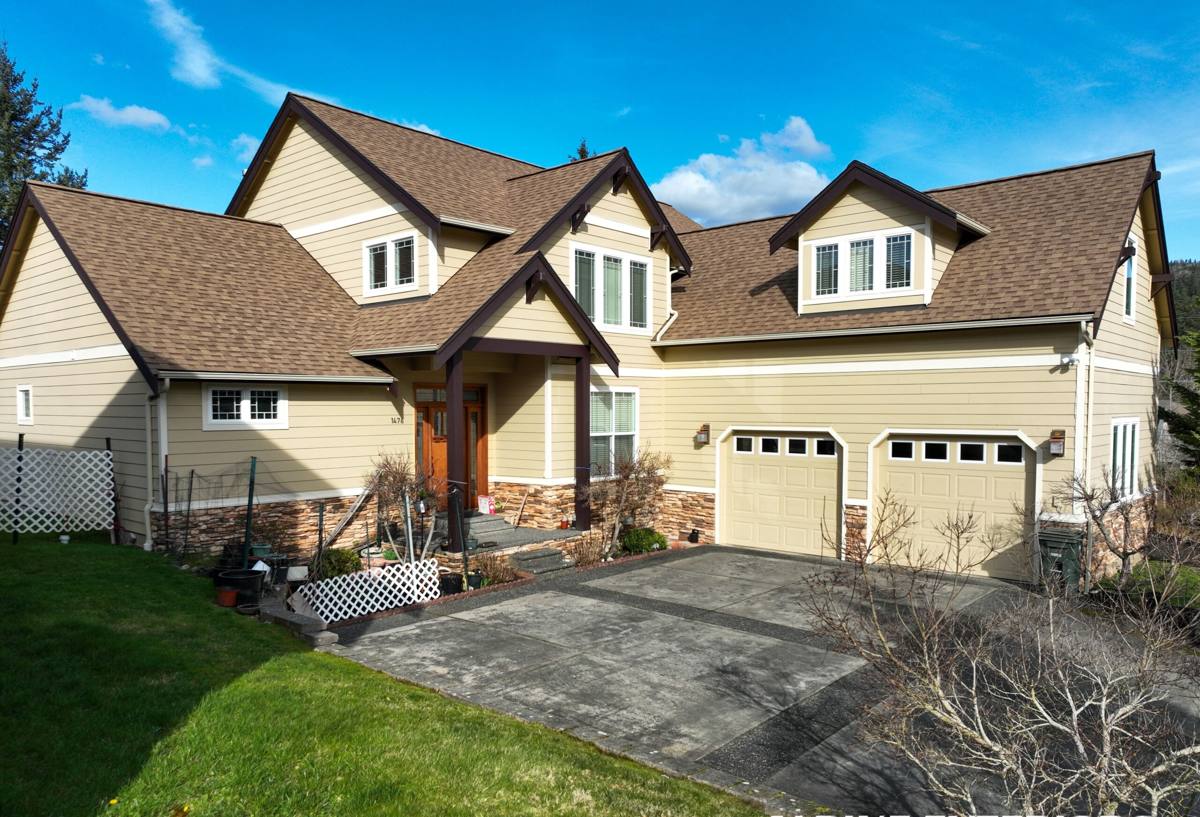
What "Correct" New-Construction Window Installation Involves
New-construction windows (as opposed to retrofit or "pocket" replacement units) have a nailing flange and are installed before the exterior finish goes on, integrated directly into the house wrap and flashing system. Done correctly, the sequence looks like this:
- Rough opening checked for square, level, and correct size — not just trusting the framer's numbers
- Sill pan flashing installed first, sloped to shed any water that gets past the window back to the outside
- Window set, shimmed plumb and level, and fastened per the manufacturer's exact schedule (skipping fastener locations is a common shortcut that voids warranties)
- Flashing tape applied in the correct shingle-lap order — sides first, then head flashing over the top, so water is always directed down and out, never trapped behind the housewrap
- Housewrap integrated over the flashing, not just taped on top of it
- Interior and exterior sealed with the right sealant for the surface — not just a bead of caulk around the trim
- Insulation gap between the frame and rough opening filled properly, without over-packing foam that can bow the frame
Every one of those steps is inspectable at the time of install and invisible once siding and drywall go up. That's the entire argument for hiring a crew that treats window flashing as a discipline, not an afterthought.
Why This Matters More on New Builds Than Replacements
On a replacement job, the existing wall assembly is already there and often already compromised — you're working with what exists. On new construction, you're setting the standard the house will live with for its entire life. A flashing mistake made during a new build doesn't just risk one window; it can compromise the wall assembly around it, and in a wet climate like ours, that damage compounds every winter until someone finds it during a remodel or a leak.
Choosing a Window Line and Glass Package for This Climate
Kendall homes see a wide temperature swing between damp winter mornings and warm, dry summer afternoons, plus enough rain exposure that the frame material and glass package both matter. There's no single "best" window — it's a trade-off between upfront cost, maintenance, and how the material handles moisture over decades.
| Frame Material | Moisture Behavior | Maintenance | Typical Fit For |
|---|---|---|---|
| Vinyl | Won't rot; can expand/contract with temperature swings | Low — occasional cleaning | Budget-conscious builds, rental or spec construction |
| Fiberglass | Dimensionally stable, handles wet-dry cycling well | Low | Custom homes wanting durability without wood upkeep |
| Wood-clad | Good performance if the cladding and seals stay intact; vulnerable if flashing fails | Moderate — watch seals and touch-up cladding damage | Homeowners prioritizing interior wood look |
| Aluminum | Conducts cold, prone to condensation without thermal breaks | Low, but corrosion risk near salt air without proper breaks | Modern/commercial-style designs with thermal-break hardware |
For the glass package, a dual-pane, low-E unit with argon fill is the practical baseline for this region — it manages both heat loss in winter and the glare and heat gain we do get in summer. Where a wall faces prevailing wind and rain, we'll often talk through upgrading to a heavier-duty seal or a higher-performance spacer system, since that's the orientation most likely to see water pushed against the glass and frame for hours at a time during a windstorm.
How We Work With Your Builder or GC
Most of our new-construction window work in the Kendall area comes in through the general contractor or the homeowner acting as their own GC. Either way, the window install has to slot into the framing and dry-in schedule without becoming the bottleneck. Our process:
- Review the window schedule and rough opening sizes against the actual framing before units are ordered — catching a sizing error before delivery is far cheaper than after
- Coordinate delivery timing so windows arrive right before we're ready to set them, not sitting exposed on site for weeks
- Install sill pans and flashing to a documented sequence, so any other trade (or inspector) can see the water management is done correctly
- Communicate directly with the GC on any framing issues found during install — out-of-square openings, missing blocking, etc. — rather than working around them silently
- Walk the finished install with photos of the flashing before siding covers it, so there's a record of what's behind the wall
That last step is one homeowners don't always think to ask for, but it's worth requesting from any contractor doing your windows: a documented record of what the flashing looks like before it disappears behind siding.
Mistakes We See on New Builds — and Prevent
Most window failures we get called out to fix later trace back to a handful of repeatable errors made during the original install:
- Flashing taped in the wrong order (housewrap over flashing instead of flashing lapped under the wrap above it)
- Sill pans skipped entirely, relying on caulk alone to keep water out
- Fastening through the flange in the wrong pattern, leaving the unit able to rack out of square
- Foam insulation overfilled around the frame, bowing it and causing the sash to bind or fail to seal
- Exterior trim installed tight against the siding with no drainage gap, trapping moisture against the frame
None of these show up on move-in day. They show up two, five, or ten winters later as staining, soft trim, or a musty smell near a window — right when driving rain and a long moss season have had years to work on a small original mistake.
Why a Crew That Already Works Kendall Homes Matters
Window installation code and best practice are not exotic — but how aggressively you need to build in redundancy against wind-driven rain, and how much you plan for moss and moisture buildup on exterior trim, is genuinely local knowledge. A crew that works new construction across Whatcom County, and specifically in communities like Kendall, has already seen which wall orientations take the worst weather, which trim details hold up over time here, and which manufacturer warranties actually mean something when a claim needs to be filed. That's not something a contractor visiting from outside the region reliably knows going in.
After Move-In: Keeping New Windows Performing
New windows installed correctly should need very little attention, but a little seasonal care extends their life significantly in this climate:
- Rinse pollen, dust, and moss spores off frames and glass a couple times a year — moss doesn't need much of a foothold to start growing in shaded corners
- Check exterior caulk lines annually, especially after the first full winter, since new construction settles slightly in its first year
- Keep gutters and downspouts clear so water isn't sheeting down the wall directly above window heads
- Operate every window and door at least once each season so weatherstripping and hardware don't seize from disuse
- Watch for any soft spots in interior trim or sill areas — catching a small leak early is a caulk job; catching it late is a rebuild
Cost Factors on New-Construction Window Jobs
Every new build is different, but the line items that move the price on window packages are consistent: number and size of openings, frame material, glass package upgrades, and the complexity of flashing details around bump-outs, bay windows, or unusual rooflines. Rather than quote a blanket number that won't match your actual plan set, we walk the window schedule with you or your builder and price it against the real specifications — that's the only honest way to give you a number you can build a budget around.
If you're planning a new build in Kendall and want the window package done right the first time — correctly flashed, properly specified for our rain and moss, and coordinated cleanly with your GC's schedule — we're happy to walk the plans with you. Fill out the form below for a free, no-pressure estimate.