 Ferndale
 Window Installation Built for Bellingham's Marine Climate
Bellingham sits right on the edge of Bellingham Bay, and that location shapes everything about how windows perform here. Salt-laden air off the water, long stretches of driving rain, and a moss season that can run from October through May all put more stress on a window opening than most manufacturers' warranty language accounts for. A window that's rated fine for a dry inland climate can still fail early in Whatcom County if it isn't installed with this specific weather pattern in mind.
This page covers window installation as a standalone service for Bellingham homes — not a general overview of every siding or exterior project we do. If you're weighing new windows, replacing failed units, or planning a remodel that includes window changes, this is what actually matters for a house in this part of Washington.
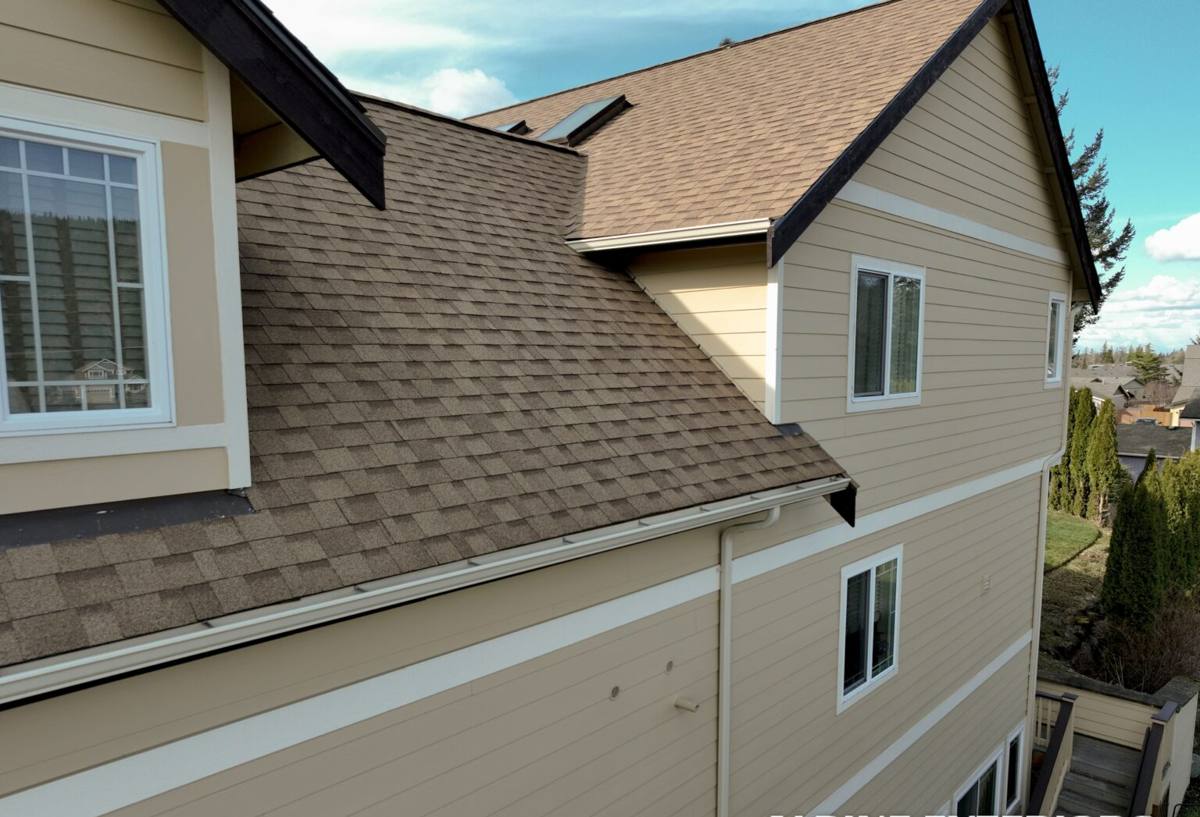
What Coastal Whatcom County Weather Does to Windows Over Time
Salt Air and Metal Hardware
Homes within a few miles of the water deal with airborne salt that settles on window hardware, screen frames, and exposed fasteners. Over years, this accelerates corrosion on lower-grade hinges, cranks, and locking hardware, and it can pit unprotected aluminum. It's rarely dramatic — it's a slow degradation that shows up as stiff cranks, pitted finishes, or hardware that stops locking cleanly a decade before it should.
Wind-Driven Rain
Bellingham doesn't just get rain — it gets rain pushed sideways by wind off the water, especially during fall and winter storms. That matters because a window's weather resistance rating is only as good as its installation. A window with excellent lab-tested water resistance will still leak if the flashing details around it are wrong, because wind-driven rain finds any gap in the water management layer, not just the window unit itself.
Moss and Sustained Moisture
Whatcom County's long, wet, mild winters are ideal for moss and algae growth on any surface that stays damp — including window sills, trim, and the siding immediately around an opening. Moss holds moisture against wood trim and can work into small gaps, which is one more reason the trim and flashing detail around a new window has to be done right the first time, not patched later.
What a Correct Window Installation Actually Involves
Window installation looks simple from the outside — pull the old unit, set the new one, caulk the edges. Done that way, it's also one of the more common sources of long-term water damage in this climate. A correct installation is really a water management project that happens to include a window.
Flashing and Water Management
Every opening needs a sill pan or sloped sill flashing so any water that gets past the window sheds outward, not into the wall cavity. Side and head flashing need to integrate with the house wrap in the correct shingle-lap order — head flashing over the wrap, side flashing lapped correctly, sill pan under the wrap — so water is always directed down and out, never trapped behind the cladding.
Air Sealing and Insulation
The gap between the window frame and the rough opening needs to be sealed and insulated, not just caulked around the exterior trim. Low-expansion foam or backer rod and sealant in that cavity cuts drafts and condensation risk, which matters in a climate where indoor-outdoor temperature swings combined with humid air can cause condensation inside a poorly sealed frame.
Proper Fastening and Shimming
A window that isn't shimmed level and square will bind, won't seal against its own weatherstripping correctly, and will wear unevenly. Fasteners need to hit solid framing at the manufacturer's specified spacing — skipping this to save time is one of the more common shortcuts that shows up years later as a window that won't latch tight.
Choosing the Right Window Type for a Bellingham Home
There's no single "best" window material — the right choice depends on your home's exposure, your maintenance tolerance, and your budget. Here's how the common options actually compare for a marine climate like this one.
| Frame Material | Moisture & Salt Air Performance | Maintenance | Typical Cost Position |
|---|---|---|---|
| Vinyl | Won't rust or corrode; good baseline performance | Low — occasional cleaning | Lower to mid |
| Fiberglass | Very stable in temperature swings, excellent moisture resistance | Low | Mid to higher |
| Aluminum | Can pit or corrode near salt air over time unless properly coated | Moderate | Mid |
| Wood-clad | Attractive, but exterior cladding and interior wood need attention if seals fail | Higher | Higher |
For most Bellingham homes within a few miles of the bay, we steer people toward vinyl or fiberglass for the exterior-facing performance, reserving wood-clad for interiors or more sheltered exposures where the homeowner wants that look and is comfortable with the added upkeep. This isn't a knock on wood-clad windows — it's about matching the material's maintenance demands to how much weather exposure your specific opening actually gets.
What Actually Drives the Cost of a Window Installation
| Factor | Why It Affects Price |
|---|---|
| Full-frame vs. insert replacement | Full-frame work involves removing exterior trim and redoing flashing; inserts reuse the existing frame and are faster |
| Number and size of openings | Larger and custom-sized units cost more per opening and take longer to fit |
| Existing water damage found during removal | Rotted sheathing or framing found once the old window is out needs repair before the new one goes in |
| Window material and glass package | Frame material and glass options (double vs. triple pane, coatings) shift unit cost significantly |
| Trim and siding tie-in | Matching existing trim profiles or siding around the new opening adds labor |
How Our Window Installation Process Works
- On-site assessment. We look at each opening individually — exposure to weather, current flashing condition, and any visible signs of past water intrusion.
- Product selection. We walk through material, glass, and hardware options based on that opening's exposure, not a one-size answer for the whole house.
- Removal and inspection. Once the old window is out, we check the rough opening and surrounding framing for hidden rot or moisture damage before anything new goes in.
- Flashing and sill pan installation. This is the step that determines whether the window stays dry for the next twenty years — done correctly, in the right order, every time.
- Window set, shim, and fasten. Leveled, squared, and fastened to the manufacturer's spec into solid framing.
- Insulate and seal the gap. Low-expansion foam or backer rod and sealant around the frame perimeter.
- Interior and exterior trim. Finished to match the surrounding siding and trim as closely as the project calls for.
- Final water test and walkthrough. We check operation and seal quality before we call it done.
Signs a Bellingham Home Needs New Windows
Windows rarely fail all at once — they show warning signs first. If you're seeing any of the following, it's worth having them looked at before the next storm season:
- Visible condensation or fogging between panes (a sign the seal has failed)
- Drafts you can feel near the frame even when the window is fully closed and locked
- Wood trim or sills that feel soft, discolored, or show active moss growth
- Windows that are difficult to open, close, or lock, especially after damp weather
- Visible daylight or gaps around the frame from the interior
- A noticeable rise in heating costs without any other explanation
- Paint or finish peeling on interior trim near the window, which often points to trapped moisture
Why Local Bellingham Experience Matters for This Work
Knowing the Microclimate
Exposure varies a lot within a small area here — a home a few blocks from the water takes a different amount of wind-driven rain and salt exposure than one set back on higher ground. A crew that works Whatcom County regularly knows to treat those openings differently rather than applying the same detail everywhere.
Permitting and Local Code Familiarity
Window replacement projects can trigger permit requirements depending on scope, especially with full-frame replacements or when egress sizing is involved in a bedroom. Working in this area regularly means we already know what the City of Bellingham and Whatcom County typically require, so it doesn't become a surprise mid-project.
Matching Existing Construction
Many Bellingham homes were built across different decades with different trim profiles, siding types, and house-wrap systems. A crew that's tied openings into all of those regularly can integrate a new window's flashing correctly with what's already on the wall, instead of treating every house as a blank slate.
After Installation: Keeping Windows Performing in This Climate
New windows still need a small amount of upkeep in a marine climate to get their full lifespan. Rinse accumulated salt residue off exterior frames and hardware a couple of times a year, especially after storms. Keep weep holes clear of debris and moss so any water that does get into the frame track can drain out. Lubricate hardware periodically if cranks or locks start to feel stiff. And keep an eye on the caulk line around the exterior trim — sealant is a maintenance item, not a lifetime one, and catching a cracked bead early is far cheaper than dealing with water damage later.
Getting Started
If your windows are original to the house, showing condensation between panes, or you're just tired of drafts every winter, it's worth getting a straight answer on what's actually going on before you decide anything. We offer free, no-pressure estimates for window installation in Bellingham and the surrounding Whatcom County area — use the form below to get one scheduled.