 Ferndale
 Board & Batten Siding in the Nooksack Area: What Ferndale's Climate Actually Demands
Board and batten is one of the most visually striking siding profiles you can put on a home — clean vertical lines, deep shadow reveals, a look that reads as both farmhouse and modern depending on the trim and color. It's also one of the least forgiving profiles when it's installed by someone who doesn't understand what Whatcom County weather does to a wall over twenty or thirty years. Homes in the Nooksack River corridor near Ferndale sit in a specific weather pocket: wind-driven rain off the Strait, a long damp season that keeps north- and shade-facing walls perpetually wet, and enough salt-laden air moving inland from Bellingham Bay to accelerate corrosion on anything metal that wasn't specified for it. Board and batten's vertical joints and narrow reveals give water more places to find a way in than a standard lap profile does, which means the margin for installation error is smaller here than almost anywhere else in the state.
This page is about that one product, in that one setting: what board and batten needs to hold up on a Nooksack-area home, what a correct installation actually looks like underneath the boards, and why a crew that already works this specific stretch of Whatcom County gets it right the first time.
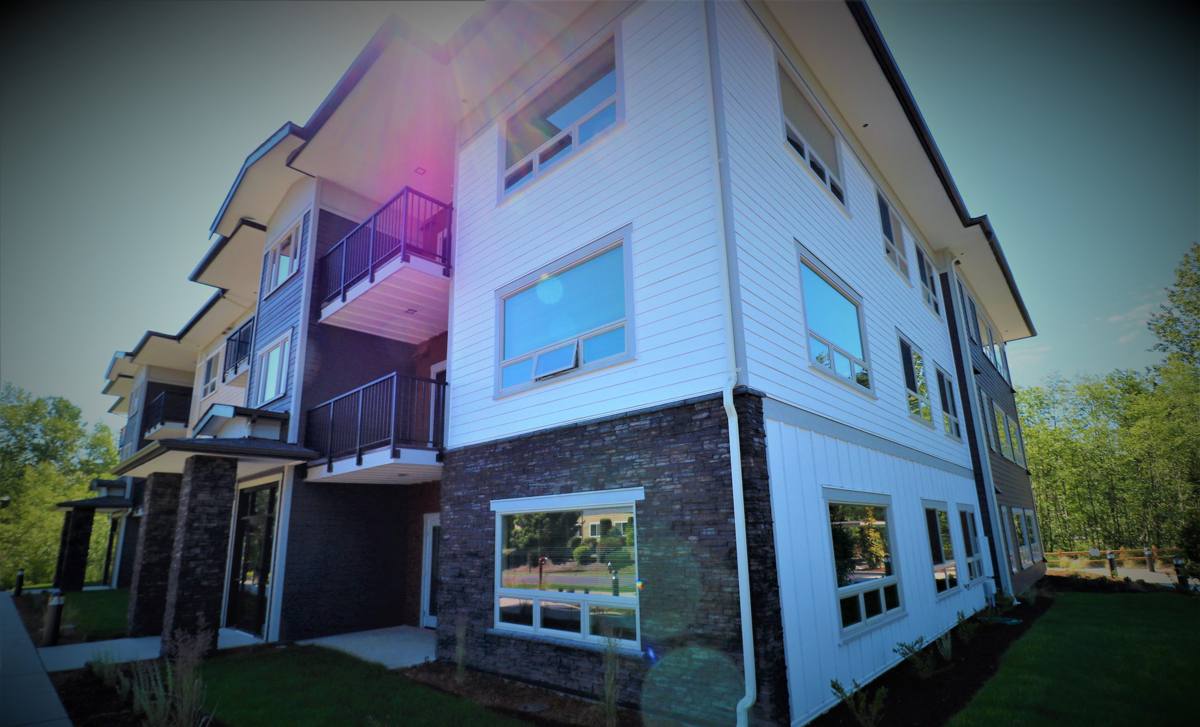
Why Board & Batten Shows Every Flaw in This Climate
Driving Rain and Vertical Seams
Lap siding sheds water downward by design — each course overlaps the one below it. Board and batten relies instead on the batten strip covering the seam between two boards, which works fine in calm weather but gets tested hard when wind pushes rain sideways and upward against the wall. Along the Nooksack corridor, that kind of driving rain is a regular winter event, not an occasional storm. If the batten spacing, fastening, or the water-resistive barrier behind the boards isn't right, wind-driven moisture finds the vertical seams and works its way behind the cladding.
Salt Air and Fastener Corrosion
Ferndale's proximity to Bellingham Bay means homes here get measurable salt exposure, even miles inland, especially on west- and southwest-facing elevations that catch prevailing weather. Salt air accelerates corrosion on fasteners, flashing, and any exposed metal trim. On a board and batten wall, the batten strips are fastened directly through the field of the wall in a visible, repeating pattern — if those fasteners aren't corrosion-resistant and properly set, you get rust streaking and eventual fastener failure well before the siding itself would ever need replacing.
Moss Season and Shaded Elevations
Whatcom County's moss season runs long — anywhere shaded, north-facing, or tucked under mature tree cover stays damp for months at a stretch. Board and batten's deep shadow lines and narrow battens create more shaded micro-surfaces than a flat lap wall does, which gives moss and algae more places to establish. That's not a reason to avoid the profile — it's a reason to install a material and finish that actually resists moisture absorption and biological growth, rather than one that gives moss something to hold onto.
What a Correctly Installed Board & Batten System Actually Involves
The Rain-Screen Gap
Correct board and batten installation in a wet coastal climate isn't just boards nailed to the wall. It starts with a properly lapped and taped water-resistive barrier, and ideally a drainage gap — furring strips or a purpose-built rain-screen product — between that barrier and the siding itself. That gap lets any moisture that does get past the cladding drain and dry out instead of sitting against the sheathing. Skipping this step is the single most common shortcut we see on board and batten jobs that failed early, and it's invisible once the siding goes up, which is exactly why it matters who's doing the work.
Batten Spacing and Fastening
Batten width and spacing aren't just an aesthetic choice — they determine how much movement and water exposure each seam has to handle. Fasteners need to be corrosion-resistant, sized correctly for the substrate, and set at the manufacturer's specified pattern so the boards can expand and contract without splitting or pulling loose. Over-driven or under-driven fasteners are a slow leak waiting to happen.
Flashing at Every Penetration
Every window, door, hose bib, light fixture, and vent penetrating a board and batten wall needs proper flashing and sealant detailing. Vertical siding profiles make these transitions more visually prominent, which means sloppy flashing work is both a performance problem and a cosmetic one. A crew that rushes trim details on a board and batten home will see it show up as staining and rot around openings within a few wet seasons.
The Only Siding System We Install: James Hardie Board & Batten
We install James Hardie fiber cement exclusively — not vinyl, not LP SmartSide, not primed spruce or cedar, not other fiber cement brands. That's a deliberate standard, not a sales preference, and it matters most on a profile like board and batten where the material itself is doing a lot of the work of resisting this climate.
HZ5 Engineering for the Pacific Northwest
Hardie's HZ5 product line is formulated for wet, humid, freeze-cycle climates like ours. Fiber cement doesn't absorb and swell the way wood-based products can, it won't delaminate the way some engineered wood sidings can when moisture gets past a seam, and it's non-combustible — a genuine advantage during wildfire smoke and ember seasons that have become a more regular part of Pacific Northwest summers.
ColorPlus Factory Finish
Board and batten in a job-site-painted finish shows brush lines, uneven coverage, and early fading in exactly the high-exposure areas this climate targets. Hardie's ColorPlus finish is baked on at the factory under controlled conditions, which gives more even, more durable color and comes backed by its own finish warranty — meaningfully different from touch-up paint applied on a ladder in variable weather.
Board & Batten Material Comparison for This Climate
| Material | Behavior in Driving Rain | Salt Air / Corrosion Resistance | Moss & Moisture Resistance | Typical Finish Life |
|---|---|---|---|---|
| James Hardie fiber cement (HZ5) | Engineered for wet climates; dimensionally stable | Non-metallic substrate; use corrosion-resistant fasteners | Doesn't feed biological growth like wood substrates can | ColorPlus finish typically holds well beyond wood paint cycles |
| Primed cedar or spruce | Natural wood movement at seams; needs diligent maintenance | No inherent corrosion issue, but coatings degrade faster in salt air | Wood substrate is more susceptible to moisture absorption and moss | Repaint typically every few years |
| LP SmartSide (engineered wood) | Treated wood strand product; edge sealing is critical | Coating-dependent | Edge and seam moisture intrusion is the known failure point | Factory finish, but wood-based core sensitivity remains |
| Vinyl board and batten | Lightweight; can be pushed/pulled by strong wind-driven rain at seams | Doesn't corrode, but can become brittle and fade with UV/salt exposure over time | Doesn't feed growth, but growth can sit on the surface film | Color is through-body but fades; not repaintable easily |
This isn't a claim that the alternatives are junk — cedar has real character, vinyl has a real price point, engineered wood has real installers who do it competently. It's why, given what this specific climate does to a wall over decades, fiber cement is the standard we hold our own work to.
Our Process for Nooksack-Area Board & Batten Projects
- Site assessment — we walk the elevations, note which walls take the most wind-driven rain and which stay shaded and damp longest, and check existing moisture damage before quoting anything.
- Product and reveal selection — board width, batten spacing, and color are chosen together, factoring in how the profile will actually perform on that specific elevation, not just how it looks in a sample photo.
- Tear-off and substrate check — old cladding comes off and the sheathing underneath gets inspected for rot or moisture damage before anything new goes up.
- Water-resistive barrier and drainage plane — properly lapped, taped, and detailed around every opening, with a drainage gap behind the siding.
- Installation to Hardie's fastening and clearance specifications — including ground clearance, roof-line flashing, and corrosion-resistant fasteners set to spec.
- Final walkthrough and warranty paperwork — so you know exactly what's covered and how to maintain the finish going forward.
Maintenance Homeowners Can Expect in This Climate
No siding is maintenance-free in Whatcom County, but the maintenance burden is very different depending on what's on the wall. A correctly installed Hardie board and batten system mostly needs periodic gentle washing to keep salt film and airborne grime from building up on textured surfaces, and an eye kept on shaded elevations where moss is more likely to establish. It does not need repainting on the schedule that job-site-finished wood does, and it isn't prone to the seam and edge swelling that engineered wood products can develop if moisture gets in.
- Rinse salt film and grime off exterior walls periodically, especially on wind-exposed elevations
- Keep gutters and downspouts clear so runoff isn't sheeting down the wall face
- Trim back vegetation and tree cover that keeps any elevation shaded and damp longer than necessary
- Watch shaded corners and north-facing walls for early moss growth and address it before it spreads
- Inspect caulking and flashing at trim and openings annually, particularly after a hard winter
Signs a Board & Batten Job Was Done Right
- Consistent, even batten spacing with no visible fastener heads or splitting at the boards
- Clean, properly flashed transitions at every window, door, and roof line
- Correct ground clearance at the base of the wall — siding shouldn't sit tight against grade or hardscape
- No caulk being used to bridge gaps that should have been solved with proper flashing
- A written scope that names the specific Hardie product line, not just "fiber cement siding"
Why Local Experience in the Nooksack Corridor Matters
A crew that already works homes along the Nooksack River corridor and around Ferndale knows which elevations on a typical local lot take the worst of the winter weather before they ever climb a ladder. That's not something you can fully substitute with a general contractor working from a manufacturer's install manual alone — it's pattern recognition built from doing this specific work in this specific climate, on homes that deal with the same wind, rain, and moss pressure yours does. It also means we're not learning Whatcom County's permitting and inspection expectations on your project; we already know what local inspectors look for on a fiber cement install.
If you're weighing board and batten for a home in the Nooksack area or anywhere around Ferndale, we're happy to walk your property, look at your specific elevations, and give you an honest read on what the job actually involves — no pressure, no inflated scope. Reach out through the form below to set up a free estimate.