 Ferndale
 Kendall Is a Different Job Than Ferndale Proper
Kendall sits inland from Ferndale, tucked along the Nooksack River corridor toward the foothills of Whatcom County. It's a different exposure profile than the coastal parts of our service area. Homes out here spend more time under tree cover, closer to the river bottom, and further from the drying wind that keeps siding on a bluff-top or open lot relatively dry. That combination — shade, humidity, and slower air movement — is exactly the kind of environment that punishes the wrong siding choice and rewards a correctly installed one.
Across Whatcom County generally, siding deals with driving rain off the Sound, salt-laden air near the water, and a moss season that can run eight or nine months out of the year. Kendall gets a version of all of that, but the local variable that matters most here is moisture that lingers — fog sitting in the river valley overnight, tree canopy that keeps siding from drying out after a storm, and soil and landscaping that stay damp longer than they would on a more exposed lot. When we quote a job in Kendall, we're not just thinking about rain volume — we're thinking about how long a wall stays wet after the rain stops.
Why Board & Batten Suits This Area
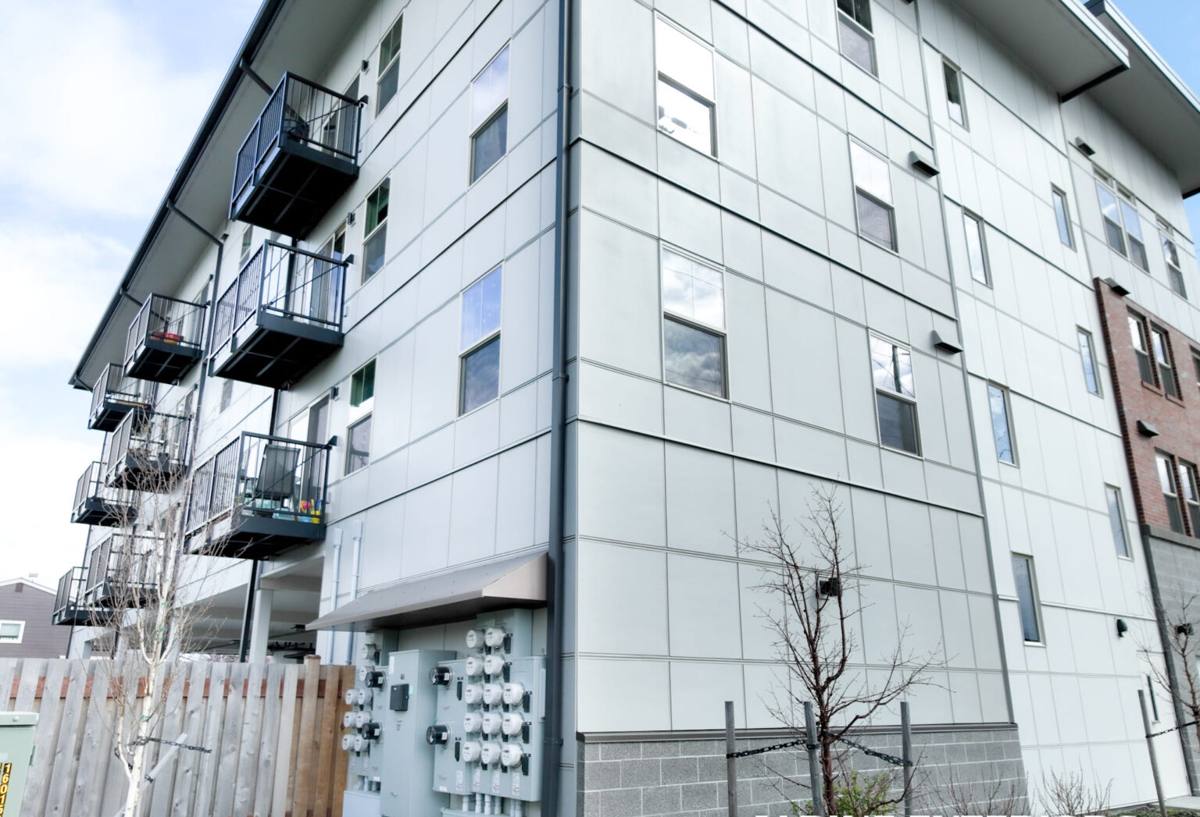
Board and batten is a vertical siding pattern — wide flat panels or boards with narrow battens covering the seams — that reads as clean, modern-farmhouse, or classic Pacific Northwest depending on the trim and color chosen. It's a strong fit for the kind of acreage and semi-rural lots common around Kendall, where homes often sit with some breathing room from the neighbors and benefit from a bolder, more architectural exterior than tract-house lap siding gives you.
There's a practical reason it holds up well here too. The vertical orientation sheds water down the face of the wall rather than catching it on horizontal laps, and when the batten spacing and fastening are done correctly, there are fewer horizontal ledges for moss and debris to collect on. That matters in a shaded, damp setting where anything that traps organic material becomes a moss and mildew magnet within a couple of seasons.
What Homeowners Ask For Most
- A cleaner, more modern look than the aluminum or vinyl lap siding that's common on older homes in the area
- Something that won't need repainting every few years the way wood board and batten does
- Siding that can handle sitting in shade and dampness without rotting, swelling, or growing moss within a year or two
- A trim and batten pattern that matches a shop, barn, or outbuilding already on the property
What Correct Board & Batten Installation Actually Involves
Board and batten looks simple from the curb, but it's less forgiving of shortcuts than horizontal lap siding. The vertical seams and batten strips create more opportunities for water to find a way behind the cladding if the details aren't right.
Weather-Resistive Barrier and Drainage Plane
Every wall gets a code-compliant weather-resistive barrier before any siding goes up. In a damp, shaded setting like Kendall, we also pay close attention to creating a drainage gap behind the panels — a rain screen strategy — so that any moisture that does get past the surface can drain and dry rather than sitting against the sheathing. This is one of the details that separates a siding job that lasts twenty-plus years from one that starts showing problems in five.
Panel Layout and Batten Fastening
Panels need to be planned out before the first piece goes up — window and door alignment, corner returns, and batten spacing all get laid out so the pattern reads evenly across the whole elevation. Battens are fastened per the manufacturer's engineering, not just nailed wherever looks convenient, because incorrect fastening is one of the most common causes of movement, cracking, and paint failure at the seams.
Flashing at Every Penetration
Windows, doors, hose bibs, light fixtures, vents — every penetration through a board and batten wall needs proper flashing and sealant detailing. Vertical siding actually makes this more important, not less, because a missed flashing detail on a vertical run can channel water straight down behind the panel instead of shedding it outward.
Butt Joints and Panel Seams
Where panels meet end to end, the joint has to be backed, flashed, or otherwise detailed so it doesn't become a wicking point. This is a detail that's easy to rush and hard to fix later without pulling siding back off, which is why we treat it as a non-negotiable step rather than an afterthought.
The James Hardie System We Install
We install James Hardie fiber cement exclusively — no vinyl, no LP SmartSide, no primed wood, no Cemplank or Allura substitutes. For a board and batten look, that typically means HardiePanel vertical siding paired with HardieTrim battens, finished in a factory-applied ColorPlus coating.
There are a few reasons this is the only system we put our name behind in an area like Kendall:
- Non-combustible material. Fiber cement doesn't feed a fire the way wood-based products can — relevant anywhere in Whatcom County, but especially valuable on wooded, rural lots with more vegetation close to the structure.
- Engineered for this climate. Hardie's HZ10 product line is formulated for the Pacific Northwest's wet, moderate climate zone, which is a meaningfully different formulation than what ships to the Southeast or Southwest.
- Factory-cured ColorPlus finish. The color is baked on in a controlled factory process rather than field-painted, which means far more consistent coverage and a finish that resists fading, chipping, and the touch-up patchwork that field-painted wood or primed siding eventually needs.
- It doesn't rot, and it doesn't feed moss the way wood does. Fiber cement is inert — it won't swell, delaminate, or give moss and mildew organic material to root into the way cedar or primed spruce can, which matters directly in a shaded, humid setting like Kendall.
- Transferable, meaningful warranty. Hardie backs the product with a manufacturer warranty that's transferable to a future owner, which is a real selling point if the home ever changes hands.
Siding Options for a Board & Batten Look — How They Compare
| Material | Moisture behavior in shaded/damp settings | Maintenance | Longevity |
|---|---|---|---|
| James Hardie fiber cement | Inert, doesn't absorb and swell; engineered for wet PNW climate | Occasional wash; no repainting for the life of the ColorPlus finish | Decades when installed to spec, backed by transferable warranty |
| Real wood (cedar board and batten) | Absorbs moisture, prone to swelling, cupping, and rot in shade | Repainting or restaining every 3-7 years | Shorter lifespan in damp, low-sun exposures without diligent upkeep |
| Primed spruce/wood composite | Vulnerable at cut edges and joints where primer coverage is incomplete | Regular repainting and edge sealing | Failure risk rises significantly in persistently damp conditions |
| Vinyl | Doesn't rot, but can warp, fade, and gaps at seams can let moisture behind the panel | Low, but panels can crack or fade with UV and temperature swings | Moderate; harder to repair invisibly if damaged |
This table reflects general material behavior, not a claim about any specific competitor's product performance — it's the reasoning we use with homeowners when they ask why we standardized on one material instead of offering several.
What Affects the Cost of a Board & Batten Project
| Factor | Why it matters |
|---|---|
| Existing siding removal | Tear-off of old wood, vinyl, or damaged siding adds labor and disposal cost |
| Sheathing and framing condition | Rot or water damage found underneath has to be repaired before new siding goes on |
| House shape and trim detail | More corners, dormers, and window/door openings mean more cutting, flashing, and batten layout work |
| Access and site conditions | Rural or wooded lots, slopes, and limited driveway access can affect scaffolding and staging |
| Color and trim package | Standard ColorPlus colors versus custom trim combinations affect material cost |
Our Process on a Kendall Job
The process starts with an on-site visit, not a phone quote. We walk the exterior, check the condition of the existing siding and sheathing, and look specifically at shade patterns, drainage around the foundation, and any spots where the property's tree cover or grading is keeping a wall damp longer than it should be. That assessment shapes the drainage plane and flashing plan before we ever price the batten pattern or color.
From there: we confirm the panel and batten layout with the homeowner, pull permits where required, remove the old siding, repair any sheathing or framing issues we find underneath, install the weather-resistive barrier and drainage strategy, then install the HardiePanel and HardieTrim battens per manufacturer specification. A final walk-through covers caulking, touch-up, and a review of what the homeowner should expect for upkeep going forward.
Maintenance in a Damp, Shaded Setting
Fiber cement is low-maintenance, not no-maintenance. In an area like Kendall where shade and river-valley moisture keep things damp longer, a little seasonal attention goes a long way.
- Rinse the siding once or twice a year, focusing on shaded and north-facing walls where moss and algae are most likely to start
- Keep gutters clear so overflow isn't running down the wall face and staying wet longer
- Trim back vegetation and tree limbs that keep a section of wall in constant shade or brushing against the siding
- Check caulking at trim, window, and door joints every year or two and re-caulk if it's cracked or pulling away
- Watch for any spot where soil, mulch, or landscaping has been built up against the base of the siding, and pull it back
Why a Crew That Already Works Kendall Matters
Rural and semi-rural properties around Kendall come with their own logistics — longer driveways, well and septic layouts to work around, wooded lots with limited staging space, and sometimes older outbuildings or additions with framing quirks a standard subdivision home doesn't have. A crew that's already done siding work in this specific part of Whatcom County isn't guessing at how to stage equipment on a gravel drive or how much a shaded, low-airflow wall section is going to need in terms of drainage detailing. That local familiarity shows up in fewer surprises mid-project and a finished job that's built for the actual conditions on your lot, not a generic spec.
If you're weighing a board and batten refresh for a home in Kendall, we're happy to come take a look, walk the property with you, and put together a straightforward, no-pressure estimate — no obligation, just an honest read on what your home needs.